





A Different World For Every Artist
The core challenge of the VMAs is its variety. In one night, you might pivot from the moody, intimate world of a solo balladeer to the explosive, high-energy choreography of a pop superstar. A lighting director can't just create one beautiful stage; they
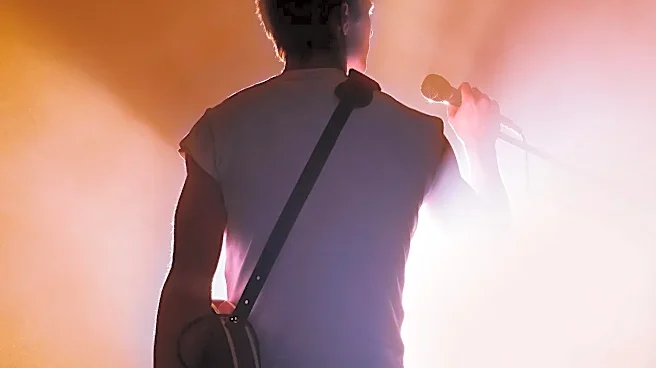
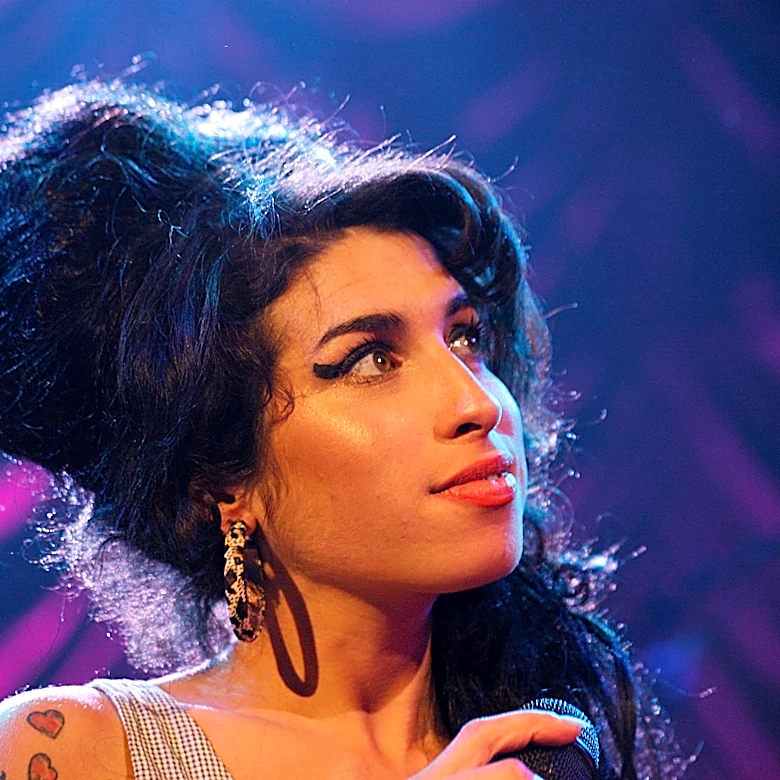
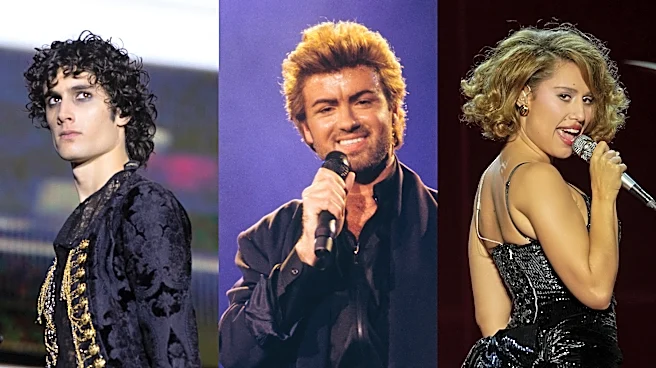
have to create over a dozen bespoke visual environments. Longtime VMA lighting designer Tom Kenny has spoken about working with each artist's creative team to build their unique 'world within a world' for their three-minute performance. This means every performance is treated like its own self-contained music video, with a distinct color palette, visual theme, and energy that must align with the artist's brand and the song's message. The process often starts a month before the show, involving intense collaboration to ensure each vision comes to life. The goal is to make each act look completely unique while maintaining a cohesive feel for the entire broadcast.
The Ultimate Creative Juggling Act
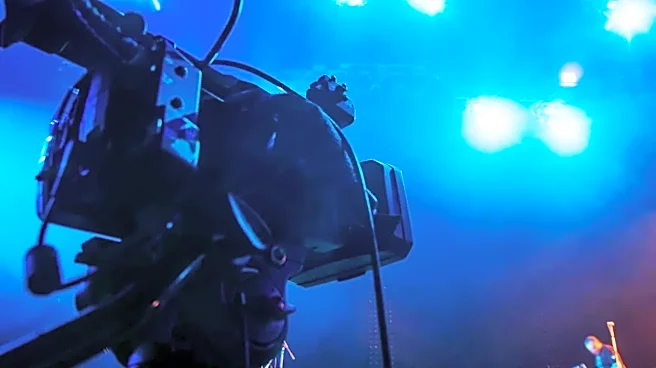
Imagine having to build a completely new set, redirect every light, and change the entire visual mood in the two minutes of a commercial break. That's the reality of a VMA lighting director. The show features numerous performances across multiple stages, and the lighting has to transition seamlessly between them. This requires an immense amount of pre-planning and programming. Designers use sophisticated visualization software to program and pre-visualize almost every cue, essentially building the show virtually before a single light is hung. It's a technical and logistical puzzle, especially when dealing with the sheer scale of the production—often involving thousands of light sources and hundreds of thousands of pounds of equipment rigged in the arena. This meticulous preparation allows the team to execute complex, distinct looks for each performance under the extreme pressure of a live broadcast.
Painting with Pixels, Beams, and Video
Modern VMA stages are far more than platforms; they are massive, dynamic canvases made of light. The design heavily relies on a combination of technologies working in concert. Huge LED video walls serve as scenic backdrops, displaying everything from abstract graphics to cinematic landscapes. These are complemented by thousands of moving lights—often called 'movers' or 'workhorses'—that cut through the air, creating texture, shape, and focus. Newer fixtures, like linear LED pixel bars, are often integrated directly into the set, allowing designers to run both video and lighting effects through them and blur the lines between scenery and light source. The lights are synchronized with the video content, music, and even special effects, all controlled from a master console to create one unified, immersive visual experience. This integration is what gives the show its signature polish, making a live performance feel as produced as a studio-shot music video.
More Than Just Making Things Bright
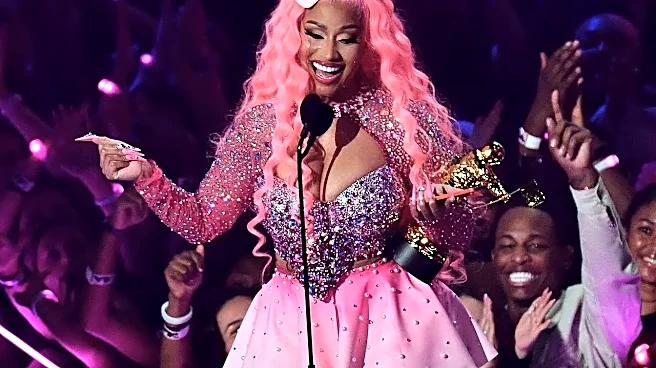
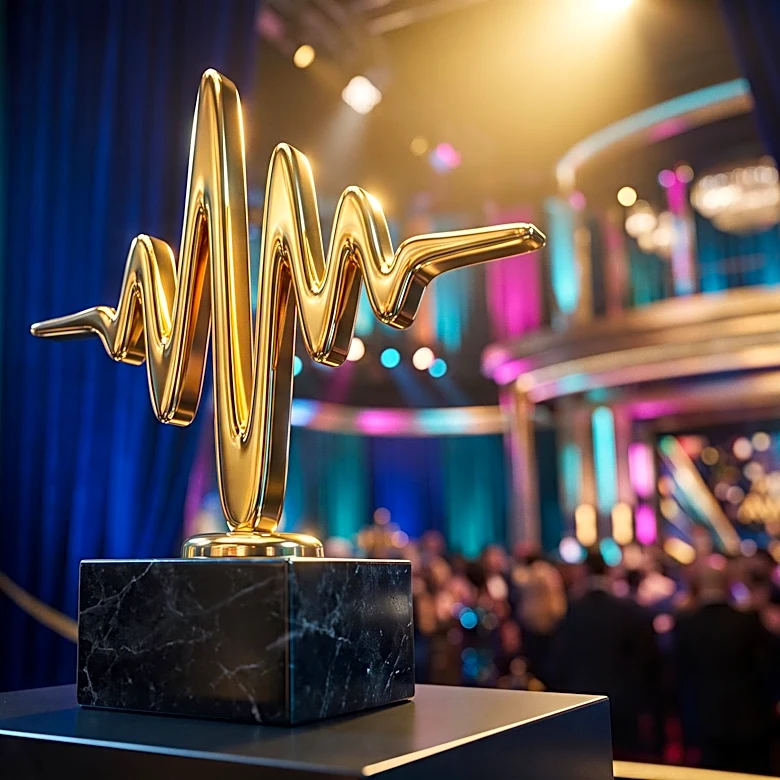
Ultimately, the lighting director's job isn't just technical; it's emotional. They use the psychology of color—like gold for prestige or vibrant hues to match an artist's personality—to set the mood and guide the audience's feelings. The lighting tells a story, creating contrast between quiet, intimate moments and explosive, celebratory ones. A presenter at a podium requires clean, even light so they look good on camera, while a winner's walk to the stage might be punctuated with a dramatic spotlight or a flash of color. The director must also balance the needs of the live audience with the millions watching at home, ensuring that what looks spectacular in the arena also translates perfectly to the screen. In the end, they are visual storytellers, using every tool at their disposal to elevate a performance into an unforgettable moment.