



Setting the Emotional Temperature
More than just making sure a star is visible, lighting is the primary tool for setting the mood of a performance. Lighting designers are experts in the psychology of color. They know that bathing the stage in a soft, warm amber light can evoke feelings
of nostalgia or intimacy, perfect for a heartfelt ballad. In contrast, sharp, cool blues can create a sense of melancholy, tension, or distance. During a high-energy dance number, you might see rapid shifts between saturated colors like fiery reds and electric purples, amplifying the excitement. These choices aren’t random; they are meticulously planned cues designed to reinforce the emotional arc of the song, making the audience feel the music, not just hear it.
Directing the Viewer’s Eye
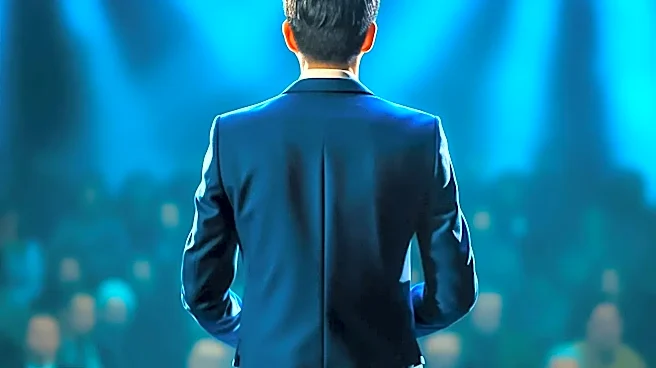
On a massive stage with dancers, musicians, and elaborate sets, how do you ensure the audience—both in the theater and at home—looks exactly where you want them to? The answer is targeted light. Using a classic technique called three-point lighting (key light, fill light, and backlight), designers can make a performer pop from the background, giving them a three-dimensional, almost heroic quality. A tightly focused spotlight can isolate a singer for a dramatic solo, instantly making a huge arena feel intimate. Conversely, a wide, even wash of light can showcase an entire ensemble, emphasizing group choreography. Designers also use patterns, known as gobos, to project textures onto the stage floor or background, adding visual interest and depth without cluttering the space.
Building Worlds on a Bare Stage
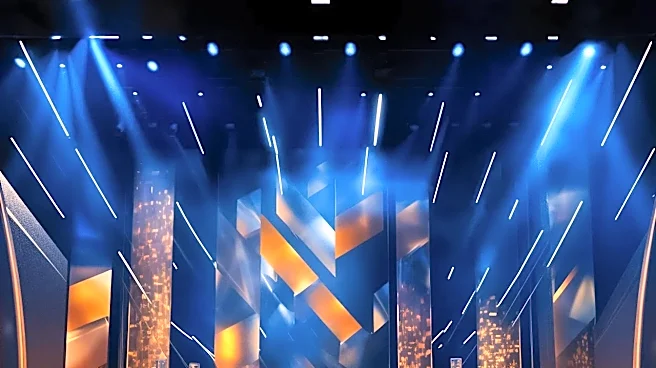
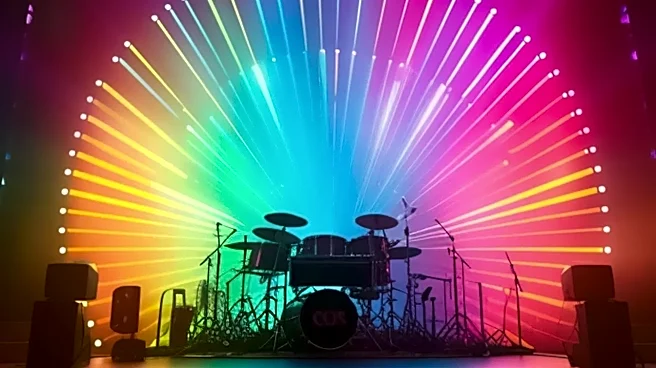
Lighting is architecture. With the right design, a flat, empty stage can be transformed into a dynamic, multi-layered environment. Beams of light can act as walls, creating distinct zones for different parts of a performance. Low-angle lighting can cast dramatic, long shadows, creating a sense of unease or mystery. Haze or fog is often used not just for atmospheric effect, but to make the beams of light themselves visible, creating stunning aerial patterns and adding a tangible sense of volume to the space. For a television audience, this is crucial; it’s what turns a flat image on a screen into a deep, immersive world that draws the viewer in.
The Two-Audience Problem
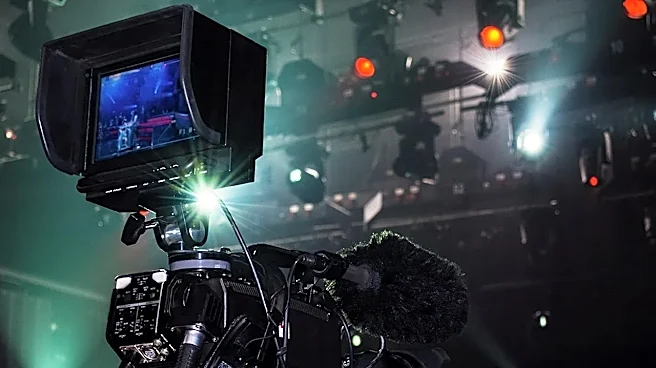
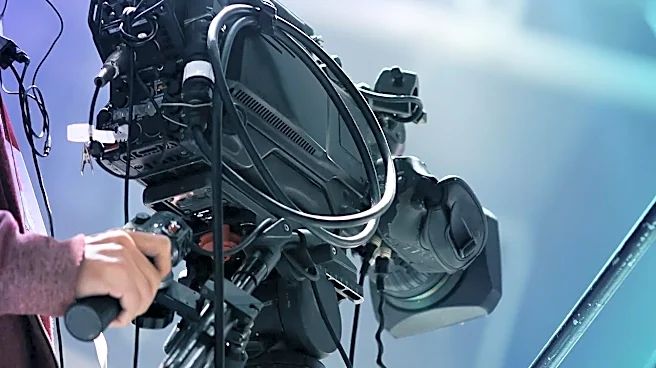
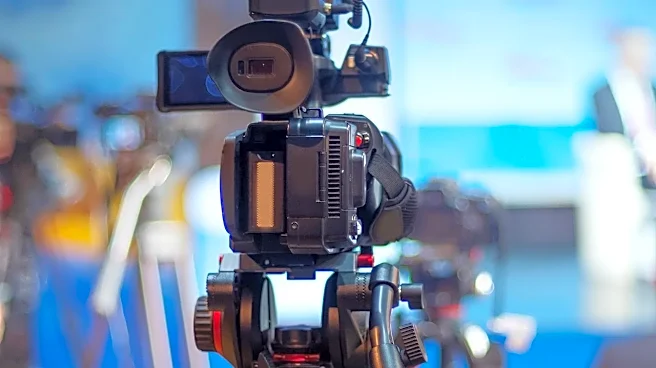
One of the biggest challenges for an Emmys lighting designer is serving two very different masters: the live audience in the theater and the millions watching on television. The human eye has a massive dynamic range, able to perceive detail in both bright spotlights and dark shadows at the same time. A camera sensor does not. What looks dramatic and atmospheric in person might look like a noisy, dark mess on TV. Conversely, the flat, even lighting that a camera loves can feel sterile and boring to the live audience. Designers must strike an incredibly difficult balance. They use specific flicker-free lights and pay close attention to color rendering to ensure skin tones look natural on camera, all while crafting a spectacular visual experience for the people in the room. It's a high-wire act of art and science.