
The Sartorial Super Bowl
First, let’s set the scene. Pitti Uomo is ostensibly a menswear trade show, a place where brands and buyers meet. But over the years, it has become something more: a global gathering for the most stylish
men on the planet. These aren’t just models; they’re magazine editors, buyers, designers, and dedicated enthusiasts, known colloquially as “Pitti Peacocks” for their flamboyant and meticulously crafted outfits. For years, the reigning philosophy was *sprezzatura*—an Italian term for a kind of studied nonchalance, making the difficult look effortless. Think of a perfectly unbuttoned cuff or a tie deliberately askew. But a new, more profound trend has taken hold. Instead of simply looking effortlessly perfect, the new goal is to look authentically personal. And the key to this is blending two seemingly opposite worlds: the precise, perfect world of bespoke tailoring and the soulful, storied world of vintage clothing.
The Anchor of Precision
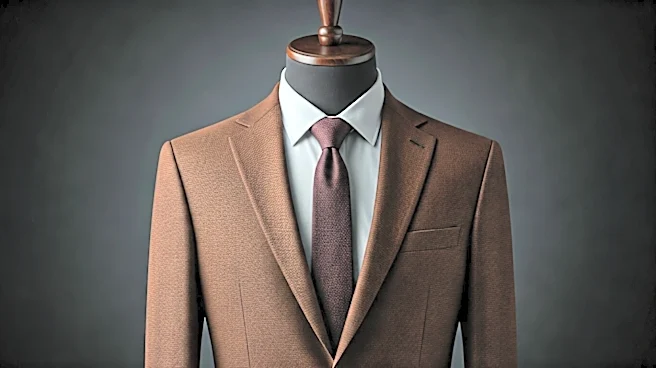
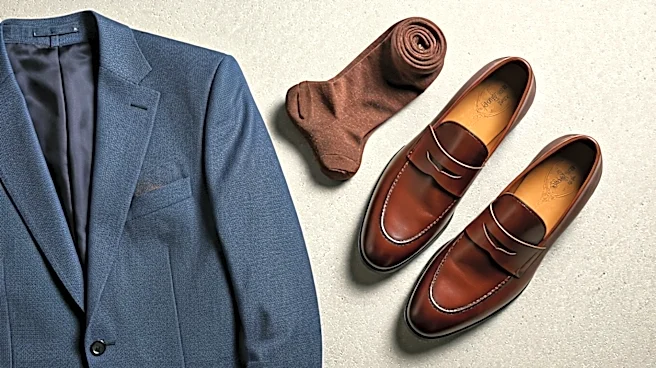
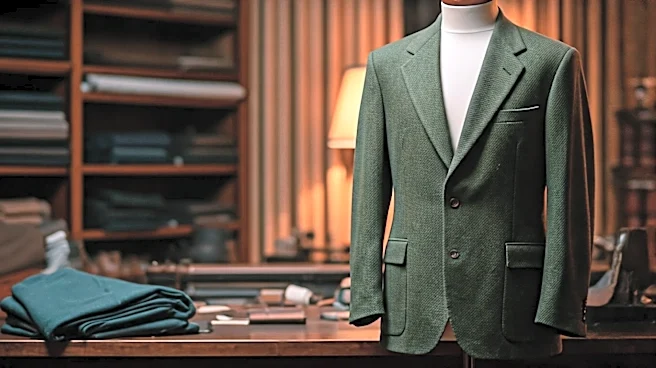
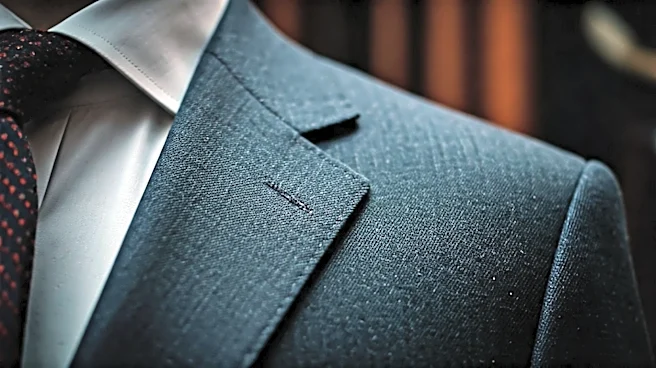
Let’s start with the bespoke half of the equation. Bespoke is the pinnacle of tailoring, where a garment is made from scratch for a single client. We’re talking about suits, jackets, and trousers with patterns cut to your exact measurements, built to flatter your body and nobody else’s. This is the foundation of the Pitti look. A perfectly cut, high-armhole Neapolitan jacket or a pair of flawlessly draped trousers provides the anchor of formality and intention. It’s the sartorial equivalent of a sturdy, well-built frame for a painting. Without this element of precision, a vintage piece might just look old or sloppy. But when a pair of beautifully faded, 50-year-old Levi's is paired with a jacket that fits like a second skin, the jeans are elevated. They aren't just old pants; they are a deliberate, stylish choice.
The Soul of the Garment
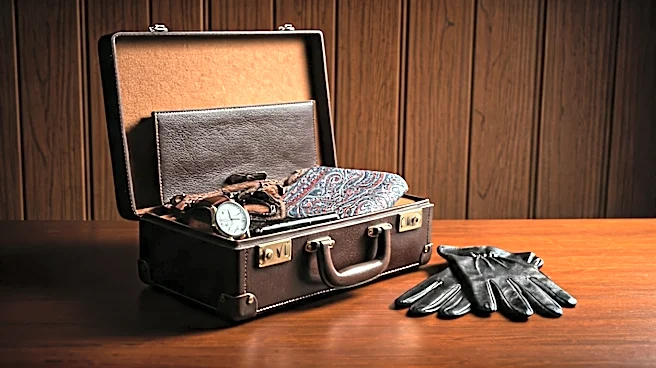
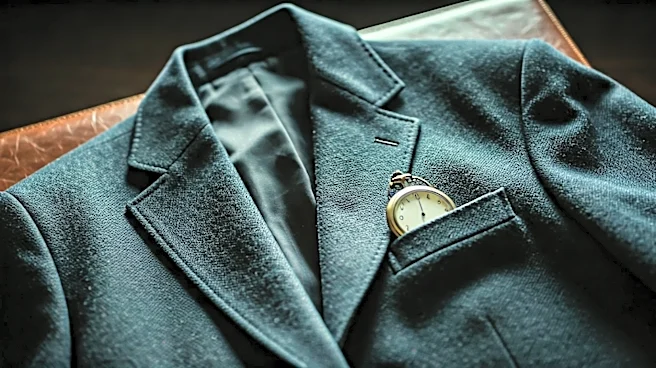
This is where vintage comes in. While bespoke provides the structure, vintage provides the soul. A brand-new garment, no matter how expensive, has no history. A vintage piece, on the other hand, is a repository of stories. It could be a weathered leather A-2 flight jacket from the 1940s, a beautifully faded Barbour coat, a grandfather’s Omega watch, or even a simple, perfectly worn-in cashmere sweater from a thrift store. These items have patina—a character that can only be earned through time and wear. They introduce a texture, a color, and a sense of history that can’t be bought off the rack. This mix is a quiet rebellion against the fast-fashion cycle and even against the uniformity of pure luxury. It says that personal history and lived experience are just as valuable as a brand name or a perfect seam.
The Art of the High-Low Mix
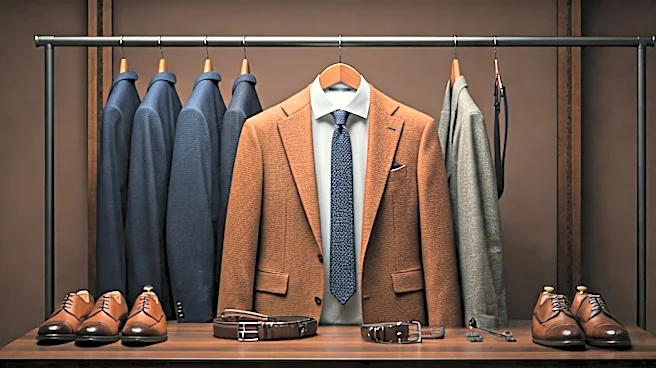
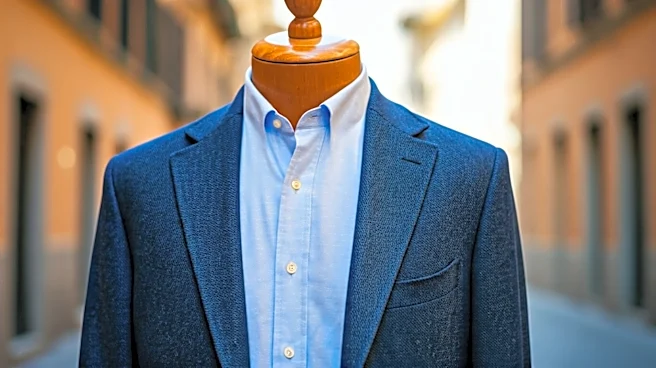
So how do they do it? The magic is in the contrast. It’s a high-low mix that goes beyond pairing sneakers with a suit. Think of a crisp, white bespoke shirt and a tailored blazer worn over a pair of rugged, vintage military cargo pants. Or a razor-sharp, double-breasted suit softened by a vintage silk scarf used as a pocket square, its colors muted by time. The key is balance. The bespoke element ensures the silhouette is sharp and intentional, while the vintage piece injects personality and prevents the outfit from feeling stuffy or generic. This approach tells a more interesting story than a head-to-toe designer look ever could. It suggests a person who appreciates quality and craftsmanship (the bespoke) but also has a sense of adventure, romance, and a connection to the past (the vintage). It’s not about how much you spent; it’s about the stories your clothes tell.