




From Broadcast Ritual to Living Room Control
Long before you could summon any horror movie with a click, monster marathons were a television institution. Events like AMC's 'FearFest' and Syfy's '31 Days of Halloween' curated the season, programming our fears for us. They created a shared cultural
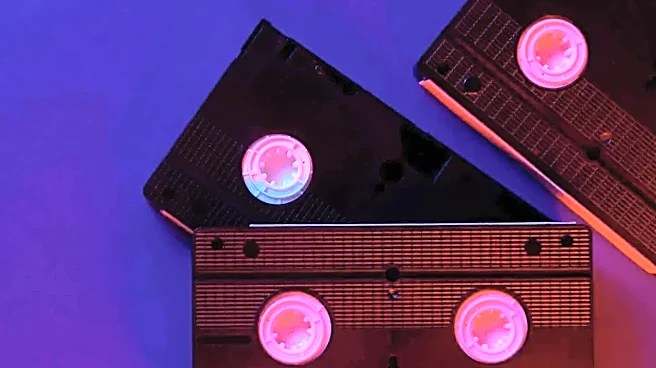
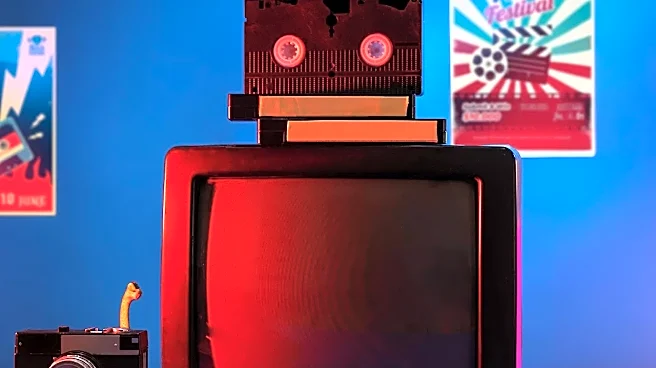
experience, a national campfire around which we could all enjoy a collective shiver. Then, in the 1980s, the VCR changed everything. The rise of home video put the power squarely in the viewer’s hands. This technological shift happened to coincide perfectly with the golden age of the slasher film. Franchises like 'Halloween' and 'Friday the 13th' weren’t just theatrical events; they were phenomena built on the promise of home rental. Suddenly, you didn't have to wait for a network to air Michael Myers' reign of terror; you could bring him home and watch his entire saga in one night. This moved the marathon from a passive broadcast experience to an active, personalized ritual.
The Comfort of a Curated Universe
There's a unique comfort in the curated horror binge. Watching a single franchise from start to finish, whether it’s the intricate traps of 'Saw' or the demonic hauntings of 'The Conjuring' universe, offers a sense of immersion that a random playlist cannot. You become an expert in the lore, tracking the evolution of the monster, the recurring tropes, and the in-jokes. It’s the cinematic equivalent of comfort food. While the jump scares provide a jolt of adrenaline, the predictable structure of the franchise is soothing. You know the rules, you know the killer will be back, and you know you're in for a specific kind of ride. This curated consumption is also an act of defiance against the endless scroll. In an era of algorithm-driven recommendations, deliberately choosing to spend eight hours with Freddy Krueger is a declaration of personal taste and a way to impose order on a chaotic media landscape.
Nostalgia in a Box Set
For a generation of fans, horror is a tangible thing. It’s the lurid cover art at the video store, the satisfying snap of a VHS case, and later, the hefty DVD box set. These physical objects are more than just containers; they are artifacts of a fandom. Horror enthusiasts have always been passionate collectors, and the DVD era was a utopia. Companies like Scream Factory and Vinegar Syndrome began restoring and releasing cult classics, complete with commentary tracks, documentaries, and alternate cuts that streaming services often omit. Owning the physical media means the movie is yours. It can't be edited for content or suddenly vanish from a streaming library due to licensing disputes. This is especially important for horror, a genre historically targeted by censorship. For many, collecting physical copies is an act of preservation—a way to ensure that their favorite version of a beloved film will always be there, ready for the next Halloween marathon.
The Modern Marathon in a Streaming World
Today, streaming platforms have made horror more accessible than ever. Services like Hulu, Peacock, and Disney+ all have dedicated Halloween hubs, offering everything from family-friendly spookfests to hardcore horror. Yet this convenience comes with a catch. The library is constantly in flux, and a movie available one October might be gone the next. This has, in a way, reinforced the value of the traditional marathon. It’s no longer just about watching scary movies; it’s about the intention behind it. Whether you’re queuing up a playlist on a streaming service or breaking out a cherished Blu-ray set, you are actively curating your own Halloween experience. It is a communal act, shared in person or discussed with thousands of other fans online, turning a solitary viewing into a shared celebration. The monster marathon persists because it’s a tradition we can control, a nostalgic ritual that connects us to both the films we love and the people who love them with us.