






The Undeniable Math of the Spot Kick
Let’s start with the basics. In most fantasy soccer formats, a goal is a goal, whether it’s a 30-yard screamer or a simple tap-in. Goals are the highest-scoring individual action, and penalty kicks are, by an enormous margin, the highest-probability shots
in the game. Historically, penalties at the World Cup are converted around 75-80% of the time. Compare that to the conversion rate for a shot from open play, which hovers somewhere between 9-11%. A player who is the designated penalty taker for their country is essentially being handed several high-percentage lottery tickets over the course of the tournament. While your friends are drafting strikers who might get three shots a game with a 10% chance of scoring on each, you’ve rostered a player who is guaranteed a 75% chance of scoring every time the referee points to the spot. It's the closest thing to a statistical cheat code in the game.
The Midfielder 'Value-Up'
This strategy becomes truly game-changing when applied to midfielders. In many fantasy scoring systems, midfielders get more points for a goal than forwards do, and they also earn points for clean sheets. This creates a potential for massive point swings. A typical central midfielder might contribute a few assists and maybe one goal from open play in a tournament. But if that same midfielder is also the designated penalty taker, their fantasy ceiling explodes. Think of a player like Croatia's Luka Modrić. He's a brilliant playmaker, but his primary fantasy value comes from his role as the team's engine and, crucially, its penalty specialist. A midfielder who scores 2-3 penalties suddenly looks like an elite attacking player in your fantasy lineup, all without needing the constant service a traditional forward requires. You’re getting forward-level goal production from a midfield roster spot, which is a recipe for winning your league.
Guaranteed Opportunity in Chaos
The World Cup is an event defined by tension and cagey tactical battles. A powerhouse team can be held scoreless for 85 minutes by a well-organized underdog. In these tight, low-scoring affairs, a single penalty can be the only goal of the game. For fantasy managers, this is critical. While a star striker might spend the entire match being double-teamed into oblivion, the penalty taker’s opportunity is independent of the run of play. It can come from a clumsy defensive tackle on a teammate or a VAR-spotted handball—events that are largely random. By rostering the penalty taker, you’re ensuring your player has a chance to score even when their team isn’t creating chances. This provides a high 'floor' for your fantasy pick; they are less likely to give you a zero on the scoresheet because a single refereeing decision can make their entire game.
The Leadership Multiplier
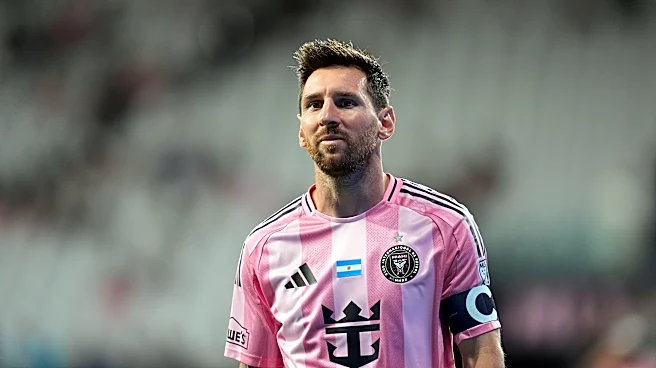
Who gets to take the penalties? It’s rarely the rookie. The responsibility is given to a player with ice in their veins—often the team captain or a senior, talismanic figure. These are the players who are already central to everything their team does. Think of England's Harry Kane or Argentina's Lionel Messi. They don't just take penalties; they are the focal point of the attack, they take other set pieces like direct free kicks, and they are on the field for 90 minutes. This creates a compounding effect for fantasy points. Your penalty taker is likely to also be a high-volume shooter and a primary source for assists. By selecting a team’s designated penalty taker, you are often, by default, selecting one of the most involved and important players on the pitch, maximizing your chances to rack up points from multiple scoring categories.