




The Prestige Comeback
Every festival needs established masters. Programmers anchor their lineups with new works from world-renowned 'alumni' directors to guarantee media attention and cinephile excitement. For its 70th edition, the LFF features celebrated filmmakers like Japan's
Hirokazu Koreeda ('Look Back'), Germany's Sergei Loznitsa ('Imperium'), and the UK's own Carol Morley ('7 Miles Out'). These names provide a seal of quality and a throughline for the festival's identity, assuring audiences that they are in trusted curatorial hands.
Big Stars, Bigger Buzz
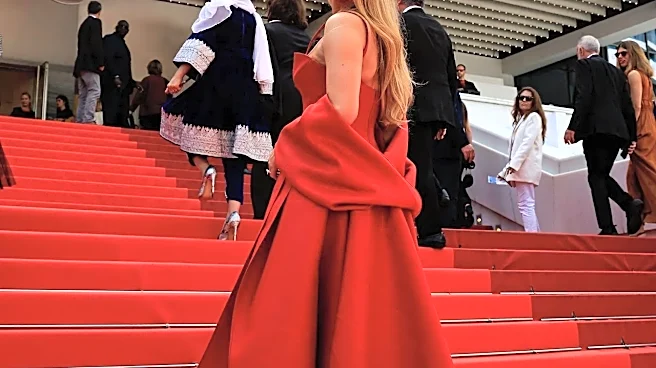
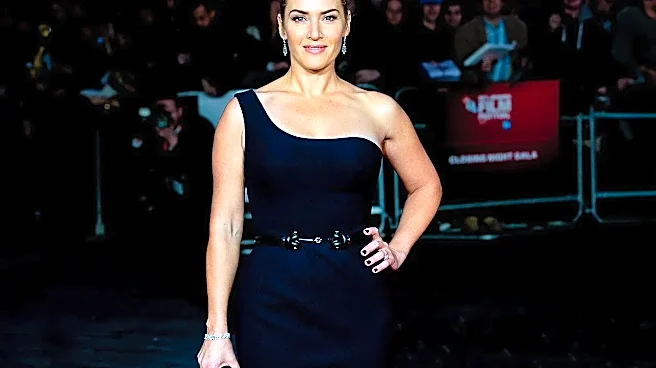
While auteur theory is nice, star power sells tickets and generates priceless press. Gala screenings are reserved for the most highly anticipated, star-studded films. The 2026 festival includes 'Behemoth!' starring Pedro Pascal and Olivia Wilde, and 'Bunker' with Penélope Cruz and Javier Bardem. Another gala, 'Elsinore', features Andrew Scott and Olivia Colman. These choices aren't just about quality; they're strategic moves to ensure red-carpet photos, media coverage, and a sense of occasion that distinguishes the festival from just another week at the multiplex.
Genre Films Get a Promotion
For years, major festivals relegated horror, sci-fi, and thrillers to midnight slots. Now, they are often centerpiece selections, reflecting a major shift in cultural and critical taste. The 2026 LFF's lineup is packed with high-concept genre fare, from Martin McDonagh's black comedy 'Wild Horse Nine' to Luca Guadagnino's tech thriller 'Artificial'. By programming these films, festivals acknowledge that innovative storytelling isn't confined to quiet dramas; it's happening in the most crowd-pleasing and imaginative corners of cinema.
Headlines on Screen
A festival program is also a snapshot of the current moment. Programmers actively seek films that engage with pressing social and political issues. This year, Danny Boyle's 'Ink' tackles the rise of tabloid journalism and its impact on media. Another film, 'Artificial', starring Andrew Garfield as OpenAI co-founder Sam Altman, dives into the ethics of AI. These films turn the festival into a forum for public conversation, proving that cinema is a vital way to process the complexities of the modern world.
Animation Isn't Just for Kids
Festivals are increasingly championing animation as a serious art form for adults. Laika, the studio behind 'Coraline', is holding the world premiere of its most ambitious stop-motion film yet, 'Wildwood'. The inclusion of such a high-profile animated feature in a prime slot demonstrates a commitment to showcasing diverse cinematic techniques. It’s a programmer’s way of stating that animation can be as epic, artistic, and thematically rich as any live-action epic.
Global Stories, Local Screens
A key function of a top-tier festival is to act as a launchpad for international cinema, introducing audiences to stories they would otherwise never see. The Official Competition alone features films from ten different countries, including 'The Difficult Bride' from Bangladesh and 'Glaxo' from Brazil. This curatorial choice reflects a globalized film market and satisfies an audience hungry for fresh perspectives. Programmers are tastemakers, and by championing these films, they can kickstart an international career for a filmmaker or even influence what gets acquired for U.S. distribution.