




The October Gauntlet Is Real
Let’s be honest: October is a uniquely stressful month. It’s the business end of the fourth quarter, where year-end goals suddenly feel terrifyingly close. For families, the school year is in full swing, complete with parent-teacher conferences, homework
battles, and the logistical nightmare of fall sports. Socially, the pressure mounts as a flurry of autumn-themed activities, from cider tasting to Halloween parties, crams into every available weekend. Free time isn't just scarce; it’s an endangered species. The idea of committing to a 12-episode, hour-long drama on a Tuesday night can feel less like a relaxing escape and more like taking on another demanding project. Weeknights are for decompression, but the mental energy required to even choose a show, let alone commit to a lengthy pilot, is often too much to ask.
The End of the Hour-Long Commitment
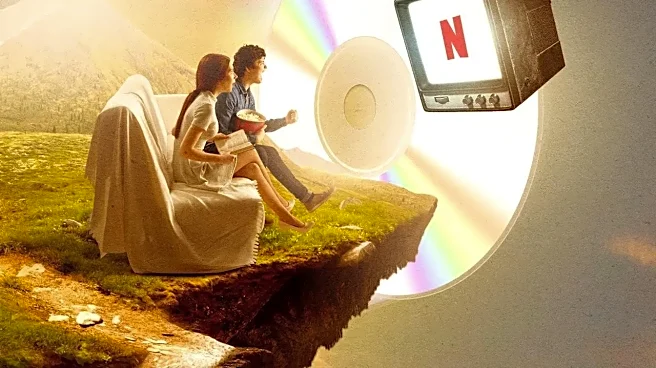
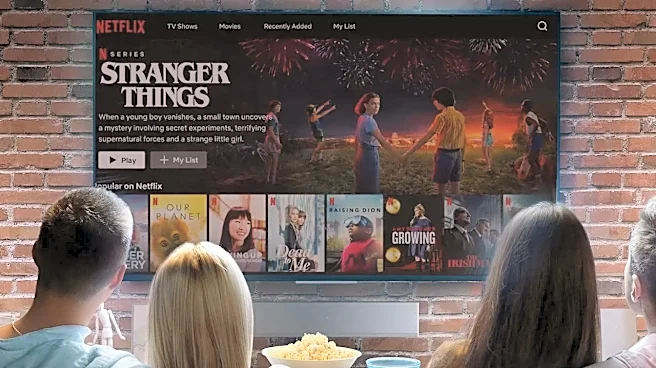
For decades, the 60-minute drama was the undisputed king of prestige television. But in today's saturated streaming landscape, it’s becoming a liability. Psychologists talk about 'choice paralysis' and 'decision fatigue'—that feeling of aimlessly scrolling through Netflix, so overwhelmed by options that you end up watching nothing at all. Committing to an hour-long episode feels like a significant investment when your energy is low. A shorter runtime, however, changes the entire calculation. A 25-minute episode feels like a manageable treat, not a chore. It’s the entertainment equivalent of a snack instead of a seven-course meal. This format significantly lowers the barrier to entry. Pressing 'play' is easier when you know you'll be wrapped up before you have to start thinking about tomorrow's to-do list.
Content That Fits the Calendar
Streaming services and networks are finally getting the message. The rise of the limited series and seasons with fewer episodes—often 6 to 8 instead of the traditional 13 or 22—is a direct response to our changing habits. This fall's schedule reflects this, with many premieres offering contained stories or shorter episode formats. For instance, Netflix's 'East of Eden' adaptation is being released as a seven-episode binge, while Mike Flanagan’s 'Carrie' on Prime Video is an eight-part series. These aren't endless sagas; they are curated, high-impact stories designed to be consumed in a few sittings. They offer the narrative satisfaction and high production values of a prestige drama but packaged for a time-poor audience. It gives viewers a clear beginning, middle, and end, eliminating the 'season two fatigue' that can make starting a long-running show feel daunting.
A Win-Win for Viewers and Streamers
This isn’t just a favor to overworked viewers; it’s a brilliant business strategy. In the cutthroat streaming wars, attention is the most valuable currency. A platform is more likely to capture a slice of your limited weeknight time with a compelling, easily digestible show than with a sprawling epic. Shorter shows are also more 'bingeable' over a weekend, leading to quick, buzz-worthy completions that drive social media chatter. Furthermore, this trend extends to even shorter formats, like the 'micro-dramas' on TikTok and other platforms, which deliver serialized stories in 1-3 minute chunks. While not prestige TV, their explosive popularity signals a massive appetite for narrative content that fits into the cracks of our day. By offering high-quality, shorter premieres, streamers like HBO, Netflix, and Apple TV+ can keep subscribers engaged without demanding an unrealistic time commitment, ensuring they remain part of our daily wind-down routine.