

The Shot Heard 'Round the Folk World
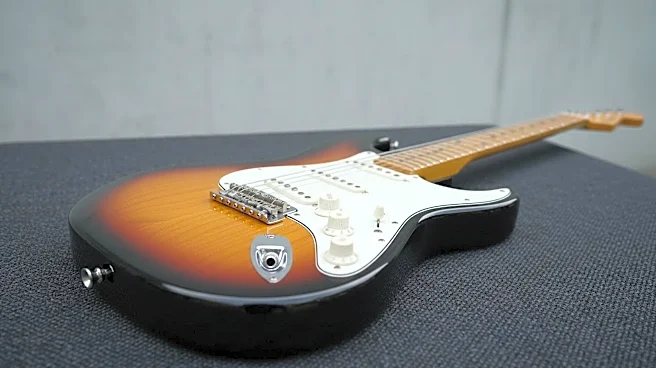
You have to start in 1965. Bob Dylan, the anointed king of acoustic protest music, walked onto the Newport stage strapping on a Fender Stratocaster. When he launched into an electric version of “Maggie’s Farm,” the reaction was seismic. For years, the legend
was that he was booed off the stage by folk purists. The reality is more complex; some booed, many cheered, and others were upset by the poor sound quality that drowned out the vocals. But the narrative was set. Dylan had committed an act of heresy or prophecy, depending on who you asked. He plugged in, and in doing so, created a rift in the cultural landscape that proved the power of a single Newport performance to define not just a career, but the direction of an entire genre. The surprise wasn’t that Dylan was there; it was what he did when he was.
The Spirit of Introduction
Before Dylan’s electric moment, the tradition of the guest spot was already part of Newport's DNA. In 1959, an unknown 18-year-old named Joan Baez was brought out as a guest of singer Bob Gibson, launching her career. Years later, in 1969, Johnny Cash convinced festival organizers to let him bring out a then-unknown songwriter named Kris Kristofferson, whose performance of songs like "Me and Bobby McGee" put him on the map. This spirit of mentorship and collaboration is key to understanding Newport. It’s less a commercial festival and more of a summer camp for musicians, where the lines between headliner and backup singer blur. The guest spot is often an act of generosity, a way for an established artist to lend their spotlight to a new voice or an old hero, reinforcing the communal ethos the festival was built on.
Modern Resurrections and All-Star Jams
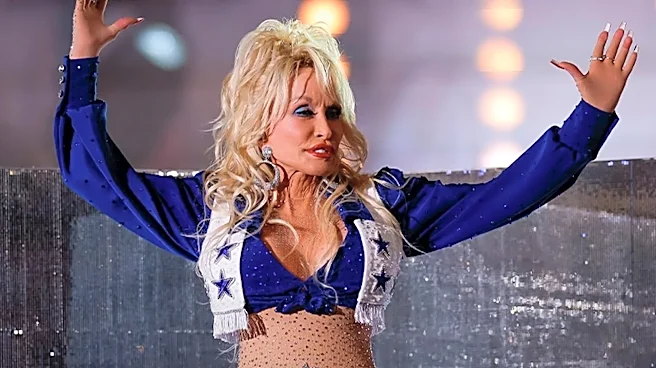
The tradition is alive and well. In 2019, Brandi Carlile curated a set celebrating female artists and stunned the crowd by bringing out Dolly Parton for a legendary five-song performance that included “Jolene” and “9 to 5.” But the ultimate modern example came in 2022. Joni Mitchell, who had been largely absent from public performance for years after a 2015 brain aneurysm, made a surprise appearance. Seated on stage in what was dubbed the "Joni Jam," surrounded by musicians like Carlile and Marcus Mumford, she sang and even played a guitar solo. It was a moment of profound, joyful return that sent shockwaves far beyond Fort Adams State Park. That same weekend, Paul Simon also made his first-ever appearance at the festival, joining Nathaniel Rateliff for a career-spanning set. These moments weren't just about nostalgia; they were powerful affirmations of survival and the enduring power of song.
Why Newport Is the Perfect Stage
So, why does this happen at Newport with such regularity and impact? It’s not just one thing. For one, tickets sell out before the lineup is even announced, creating an audience built on trust, not hype. This gives organizers the freedom to build in moments of surprise. The festival's seaside location at Fort Adams is also notoriously difficult to sneak into, helping keep secrets under wraps. More importantly, the festival has cultivated an atmosphere that prioritizes the music and the community over commercialism. The artists feel comfortable there, often staying for the whole weekend, watching other sets, and organically deciding to collaborate. A surprise guest at Newport doesn’t feel like a calculated marketing ploy; it feels like a family reunion you just happened to be invited to.