


More Than Just a Throwback
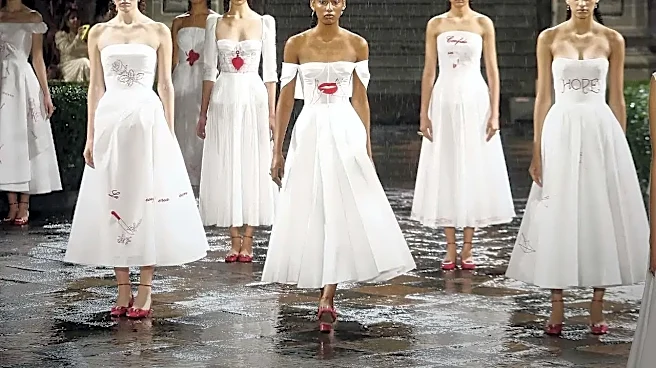
On the Spring/Summer 2027 runways, the past is not just being referenced; it’s being physically woven into the future. When a designer adds a time-worn brooch to a new jacket or places an archival handbag in a model's grasp, it’s a deliberate creative
act. This isn't just about nostalgia. It's a thoughtful rebellion against the relentless pace of fast fashion, where trends are born and die in a matter of weeks. The inclusion of vintage pieces is a declaration of permanence in a disposable world. It forces both the viewer and the wearer to consider the lifecycle of a garment, shifting the focus from 'what’s new' to 'what endures'. This ethos is gaining momentum, with sustainability and circularity becoming central themes at NYFW. The debut of brands like Story Wear, which focuses on upcycling discarded textiles, underscores a broader industry shift toward more mindful creation.
The Power of a Worn Clasp
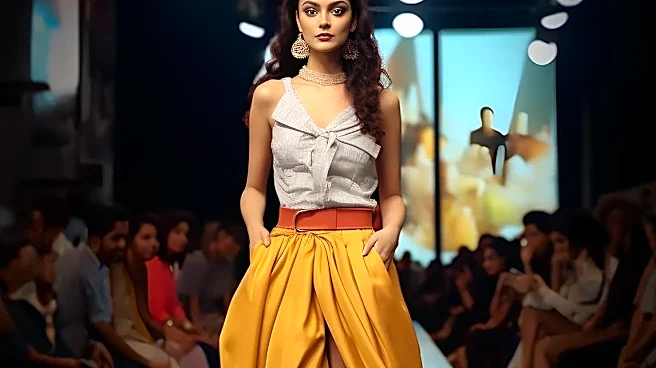
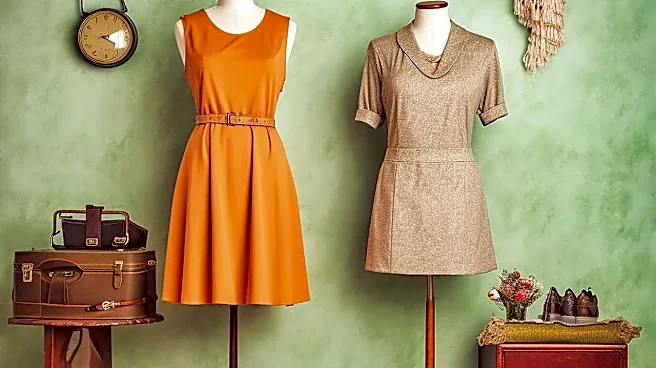
A new dress is a blank canvas. A new dress accessorized with a vintage belt is a story. That small object, with its subtle patina and unique history, adds a layer of soul that mass-produced hardware cannot replicate. Fashion has always been a form of communication, and vintage accessories speak volumes. They carry the invisible stories of their previous owners, adding a sense of humanity and history to a contemporary look. This narrative power is something designers are increasingly harnessing. A collection might explore a specific theme, and a well-chosen assortment of vintage charms or antique lockets can provide a tangible link to that idea. It’s a designer acting as a curator, using found objects to give their collection an emotional weight and a richness that feels both authentic and deeply personal. It transforms an outfit from a simple product into a piece of a larger cultural conversation.
Designers as Modern Curators
This season, the evidence is on the runway. We’re seeing a focus on “archival” themes, a term that has graduated from museum basements to collection titles. The Chuks Collins show at Harlem's Fashion Row, for example, was titled “Archival of Love,” suggesting a collection built from memory and history. When a designer pulls from archives—their own or others'—they are engaging in a dialogue with the past. This approach is twofold. First, it's a sustainable practice, giving new life to forgotten treasures and reducing waste. Second, it provides a shortcut to character and uniqueness in a saturated market. Why design a new buckle when you can use a perfectly crafted one from the 1970s that brings its own legacy? This turns the designer into part historian, part treasure hunter, and part storyteller, blending old and new to create something that feels entirely fresh yet comfortingly familiar.
Bringing the Runway Home
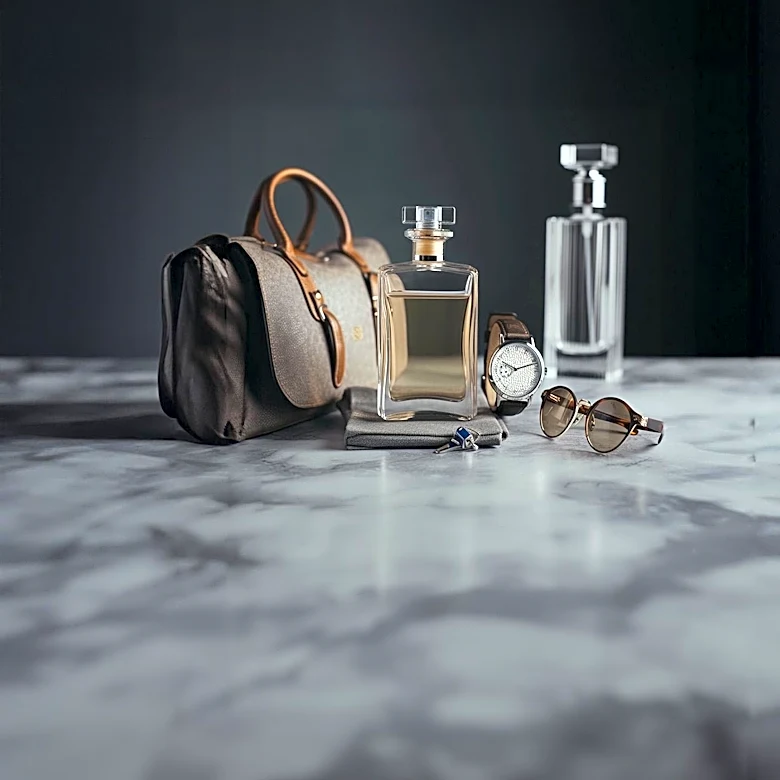
The beauty of this trend is its accessibility. While you may not be buying a look straight from the NYFW runway, the principle is easily adopted. It’s about shifting your mindset from consumption to curation. That old watch in your grandfather’s drawer, the silk scarf your aunt wore in the eighties, or a unique find from a local thrift shop can all serve the same purpose. The lesson from the runways is to look for pieces with personality. Mixing these storied accessories with your modern wardrobe is the key to developing a truly personal style that can’t be replicated. It’s about wearing your history—or someone else’s—and in doing so, creating a look that is entirely your own. It’s a sustainable, affordable, and deeply creative way to engage with fashion beyond the trend cycle.