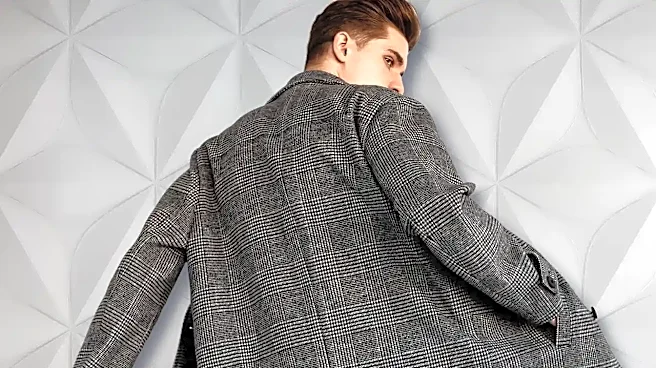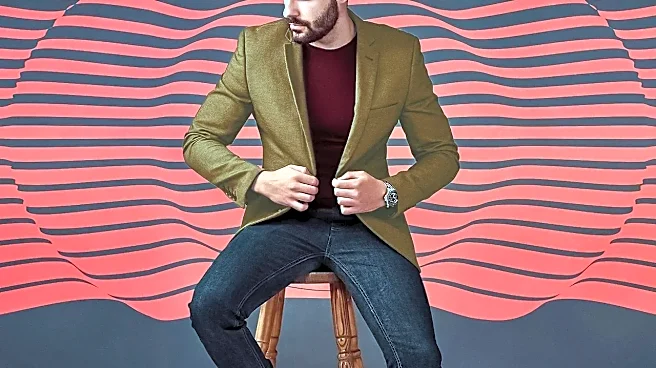



It’s a detail most men overlook, but that small slit on the back of a suit jacket or blazer is a game-changer. Called a vent, its job is to ensure your jacket hangs correctly whether you're standing still, walking, or sitting down.
What Is a Jacket Vent, Anyway?
Think of a vent as a built-in
release valve for your jacket. It's a vertical slit that runs up from the bottom hem, designed to give you more room to move without the fabric pulling or bunching up. This seemingly minor detail has a surprisingly practical origin: horseback riding. English riding coats needed a way to drape cleanly over the saddle instead of wrinkling, and the vent was the solution. While most of us are swapping saddles for office chairs, the principle remains the same. The vent allows the jacket to part gracefully when you sit, reach into your pockets, or simply move through your day.
The Classic: The Single Vent
The single vent is a solitary slit right in the center of the jacket's back. Often associated with traditional American tailoring, like the Ivy League look, it's a practical, no-fuss option you'll find on many off-the-rack blazers and suits. Its main job is to open up when you sit down to prevent the jacket from creasing. The downside? When you sit or put your hands in your trouser pockets, the single vent can gap open, creating a triangle of exposed shirt or trousers at your back. For many, this is a minor issue and a fair trade off for a classic, versatile look. It’s a solid all-purpose choice, especially for more casual blazers.
The Refined Choice: The Double Vent
A double-vented jacket, also called a side-vented jacket, features two slits, one on each side of the back. This style is a hallmark of British tailoring and is often seen as a more refined and sophisticated choice. The functional advantage is significant: when you sit or access your pockets, the two vents allow the sides of the jacket to move independently, while the center panel stays in place, covering your backside. This creates a cleaner, more flattering silhouette during movement. Double vents tend to flatter a wider range of body types, including broader or more athletic builds, as they provide more room and a better drape across the hips and seat. For a daily business suit, many consider double vents the most versatile and graceful option.
The Sleek Option: The Ventless Jacket
As the name implies, a ventless jacket has no slits at all, creating a smooth, uninterrupted back. This style is most associated with Italian tailoring and is the traditional choice for very formal garments like tuxedos. The look is undeniably sleek and clean, offering the sharpest possible silhouette from behind. However, this aesthetic comes at the cost of mobility. Without vents, the jacket has nowhere to go when you sit down, causing it to bunch up and crease. This makes it less practical for allday wear or for men who need more room to move. A ventless jacket is best reserved for formal occasions where you'll be standing for most of the event.
How to Choose the Right Vent for You
The best vent style ultimately depends on your body type, your lifestyle, and the jacket's purpose. For an allpurpose suit or sport coat that needs to handle sitting, standing, and moving, the double vent is often the superior choice for its blend of mobility and clean lines. It helps the jacket maintain its shape and provides better coverage. If you prefer a more traditional American look or are buying a casual blazer, a single vent is a perfectly acceptable and practical option. For larger men, a wellfitting single or double vent is crucial to avoid pulling. A ventless jacket should be reserved for specific, formal events where a sleek profile is the top priority. When trying on a jacket, don't just stand still. Button it, sit down, and see how the back behaves. The right vent should lie flat when you stand and move with you comfortably, not against you.