





The Age of Unattainable Hype
Not long ago, the pinnacle of sneaker culture was the “hype collaboration.” Think Virgil Abloh’s deconstructed Nikes or Travis Scott’s reverse-swoosh Jordans. These weren't just shoes; they were cultural events, complete with digital raffles, overnight
campouts, and a resale market that turned footwear into a tradable commodity. The value was driven by a potent mix of artificial scarcity, celebrity association, and pure marketing adrenaline. The story and the logo were everything. But after years of constant, algorithm-fueled drops, a sense of fatigue has set in. The market became oversaturated with collaborations that felt less special with each release, leading many to question what they were really buying into.
From Logos to Leather
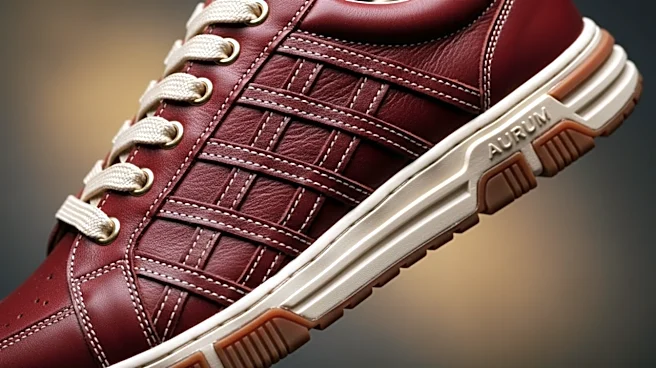
Enter the “material-first” mindset. This isn't about rejecting cool design, but redefining what makes a shoe desirable. Instead of asking “Who made it?” collectors are now asking “How is it made?” and “What is it made of?” This shift prioritizes tangible qualities: the rich texture of premium suede, the durability of a Vibram outsole, or the intricate stitching on a hand-sewn upper. It’s a move toward intrinsic value, where the quality of the raw materials and the skill of the craftsmanship are the main attractions. This trend is part of a broader consumer movement towards “quiet luxury,” where understated quality trumps flashy branding. People are looking for items that last, reflecting a desire for longevity and sustainability over fleeting trends.
The New Grails on the Shelf
The brands leading this charge aren't necessarily the ones dominating the hype cycle. Instead, heritage brands known for their quality, like New Balance’s “Made in USA/UK” lines, are seeing a resurgence. Consumers are gravitating toward technical runners from brands like Asics and Saucony, which prioritize comfort and engineering over branding. There's also a growing appreciation for artisanal labels that focus on high-end materials and construction. Even beyond sneakers, the trend is visible in the popularity of mesh ballet flats and other footwear valued for comfort and walkability over loud statements. The focus has moved from shoes that act as billboards for your feet to footwear that feels good and is built to endure.
Why the Shift Is Happening Now
Several factors are driving this change. Hype fatigue is a major one; the constant cycle of limited drops has exhausted many consumers and diluted the meaning of “exclusive.” There's also a growing awareness of sustainability. Consumers are more conscious of the environmental impact of fast fashion and are seeking out products that are made to last, with some brands even exploring innovative, bio-fabricated materials like mushroom leather. Furthermore, the market is simply maturing. After a decade where value was dictated by external hype, many collectors are now more confident in their own taste. They are choosing shoes based on personal satisfaction and long-term wearability rather than resale value or social media clout.