







The Siren Song of the Metaverse
Remember the great digital land rush? Just a few years ago, the metaverse was pitched as the next frontier of human interaction. Companies poured billions into creating virtual worlds like Decentraland and The Sandbox, where users could, in theory, work,
play, and live as avatars. The sales pitch was intoxicating: a new, limitless economy where digital real estate, virtual fashion, and non-fungible tokens (NFTs) held immense value. For a moment, it seemed like owning a JPEG of an ape or a plot of virtual land was a savvier investment than anything in the messy, tangible world. It was a vision of infinite, customizable, and, most importantly, monetizable reality. The hype promised a wholesale replacement for physical interaction, and investors, fearing they’d miss the next internet-sized boom, jumped aboard.
The Reality of a Virtual Ghost Town
By 2026, the grand vision of a universal metaverse has collided with a much quieter reality. Many of these much-hyped digital worlds are not bustling metropolises but sparsely populated spaces. The initial speculative frenzy around virtual land has cooled significantly, and user engagement has often failed to match the sky-high projections. It turns out that most people aren't eager to strap on a cumbersome headset to attend a work meeting or a virtual concert, especially when their smartphone works just fine. While the technology continues to evolve for niche applications like gaming and industrial design, the idea of a parallel digital life has proven to be less a revolution and more a hobby for a small group of enthusiasts. The “digital islands” are real, but they are largely uninhabited, sustained by stubborn belief rather than genuine utility.
The Enduring Value of a Practical Boat
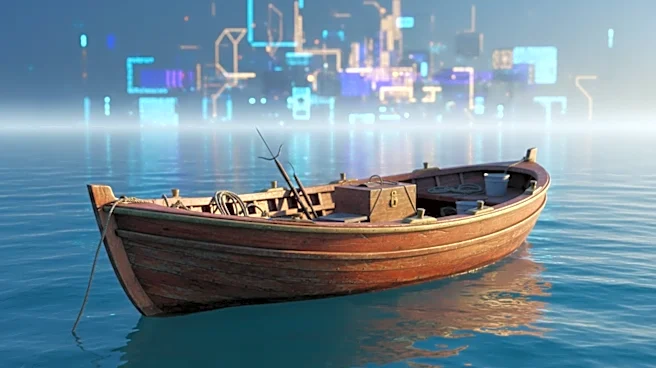
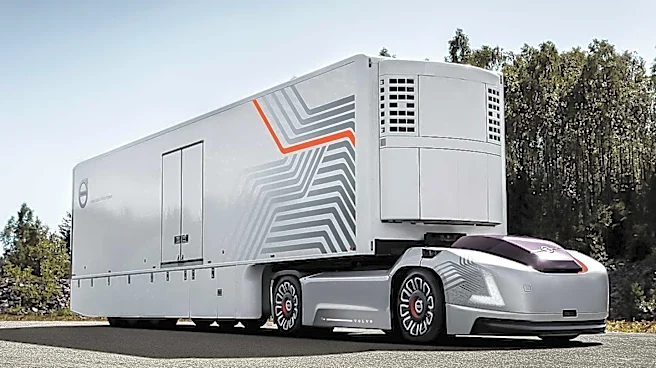
Now, consider the “practical boat.” This isn’t just a vessel; it’s a metaphor for everything tangible, functional, and stubbornly necessary in the real world. A practical boat is a reliable power grid. It's a smoothly operating supply chain. It's the skill of a plumber, an electrician, or a welder—professions that can’t be automated or outsourced to an avatar. While capital was flooding into digital assets, the physical world was sending out distress signals. The United States is facing a massive infrastructure deficit, with trillions needed to modernize everything from roads and bridges to ports and data centers. Simultaneously, we have a severe shortage of skilled trade workers, the very people needed to build and maintain these essential systems. These are not speculative assets; their value is immediate, undeniable, and critical to our daily lives.
Choosing Where to Invest Our Future
The contrast reveals a profound disconnect in our priorities. We have been mesmerized by the fantasy of creating new worlds while the one we actually inhabit needs urgent repair. An electrician who can wire a new hospital or a data center creates tangible value that our society cannot function without. Their skills are in high demand and offer a secure, well-paid career path that is resistant to automation and offshoring. Meanwhile, the value of a digital plot of land is based almost entirely on speculation and the hope that someone else will want it more in the future. This isn't an argument to abandon technology. The digital and physical worlds are intertwined; AI, for example, requires immense physical infrastructure like data centers and power grids to function. The issue is one of balance. For too long, the spotlight has been on the speculative and the virtual, while the foundational and the practical have been neglected.