







The Perfect Storm on Home Soil
Why 2026? It’s not just any year. It marks the return of the men’s World Cup to the United States for the first time since 1994, this time co-hosted with Canada and Mexico. The tournament is expanding to 48 teams and a staggering 104 matches. This isn't
just a bigger event; it's a broadcast marathon demanding a next-generation viewing experience to captivate a nation for over a month. Think back to 1994: we watched on bulky standard-definition TVs. In 2026, the technological leap will be just as profound. Broadcasters like Fox and Telemundo, who hold the U.S. rights, are facing a market reshaped by the streaming wars. Viewers now expect on-demand control, pristine picture quality, and interactive features—not as perks, but as the baseline. The immense scale of the tournament provides the perfect incentive for networks and tech companies to roll out their most ambitious viewing innovations yet.
More Than Just a Prettier Picture
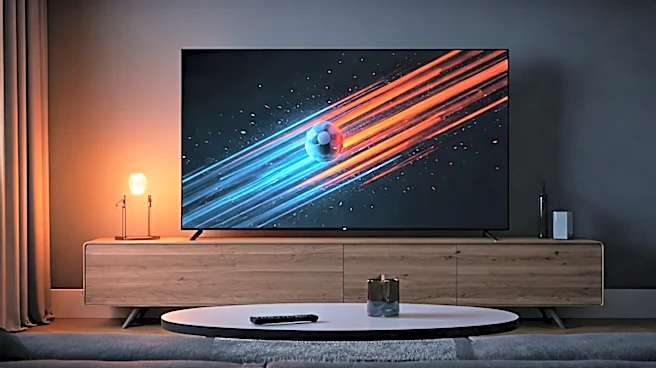
The first thing you’ll notice is the visual fidelity. While 4K has been around for years, by 2026 it will likely be the default streaming standard for a premium event like the World Cup. Combined with High Dynamic Range (HDR), the difference is stunning: deeper blacks, brighter whites, and a color spectrum that makes the green of the pitch and the blur of national jerseys feel startlingly real. But the true revolution isn't just clarity; it's control. Imagine pulling up a tactical view that shows every player’s position in real-time, like a video game. Or focusing on a single player, with stats and speed-tracking data overlaid on your screen via augmented reality. Broadcasters are experimenting with giving viewers the power to switch between multiple camera angles on the fly—from the main broadcast feed to a sky-cam to a camera following Kylian Mbappé or Christian Pulisic. Your couch becomes the director’s chair.
The Social Living Room
Watching sports has always been a social activity, but technology is breaking down physical barriers. The pandemic accelerated the development of co-watching features, allowing you to sync your stream with friends in other cities and chat in a virtual viewing party. By 2026, this will be seamlessly integrated. Picture a live video feed of your friends in a small window on screen, their cheers and groans perfectly synced to that last-minute goal or controversial VAR decision. The “second screen” experience—scrolling X (formerly Twitter) while you watch—will become part of the first screen. Integrated social feeds, live polling, and instant highlight reels curated by AI will be built directly into the broadcast interface. For better or worse, sports betting integration will also be deeper than ever, with live odds and prompts woven into the viewing platform, turning passive watching into an active, multi-layered engagement.
Lessons from the Streaming Giants
You can see the playbook for 2026 being written today. Look at what Apple has done with MLS Season Pass, offering every game without blackouts and a whip-around show that feels like the future. Look at Amazon’s NFL broadcasts, which pack the screen with advanced stats and consumer data. These tech giants have treated sports not just as content to be aired, but as a user experience to be designed. They've conditioned a generation of fans to expect more. Traditional broadcasters know they must adapt or be left behind. The 2026 World Cup is their stage to prove they can deliver a digital-first product that matches the polish and interactivity of a Silicon Valley app, while retaining the storytelling and emotional power of a world-class sporting event.