



The Strategic Second Look
Think of the main Emmys red carpet as a job interview. It's high-stakes, globally televised, and often calls for a certain kind of formal, jaw-dropping glamour. It’s about securing a spot on the best-dressed list with a look that is elegant, impressive,
and often, safe. The after-party, however, is the celebration after you've landed the gig. It’s an opportunity for a complete narrative switch. Stars frequently pull a 'quick change' into a second, and sometimes third, outfit. A winner can swap a grand, restrictive gown for a shimmering, celebratory minidress. A presenter can shed the formal tuxedo for a more relaxed but equally stylish suit. This isn't just about comfort; it's a calculated branding move. The after-party look is a chance to show a different side of a celebrity's personality—be it more playful, edgier, or more intimate. Just look at Zendaya, a master of the style pivot, who has previously used after-parties to switch from sultry and sophisticated gowns to romantic, floral dresses, showcasing her incredible versatility.
A Playground for Risk and Personality
If the main event is for timeless elegance, the after-parties are fashion's laboratory. This is where you see the trends of tomorrow take root. The pressure of the main broadcast is off, allowing for more daring choices: sheer fabrics, dramatic cutouts, unconventional silhouettes, and avant-garde designs that might be deemed too risky for the primetime red carpet. It’s a space where stars can let their personal style shine without the weight of global critique looming quite so large. Anya Taylor-Joy has perfected this, once following up a classic Dior ballgown with a lingerie-inspired Dior ensemble for the after-party, a move that was both daring and perfectly in character with her celebrated role in "The Queen's Gambit." These less formal events allow stylists and their famous clients to experiment, push boundaries, and have a little more fun, creating memorable fashion moments that are often more talked about than the ceremony looks themselves.
The Business of the Second Dress
Beyond personal expression, the after-party outfit change is also big business. A-list celebrities often have relationships with multiple fashion houses. An after-party provides a valuable second slot to honor another designer. A star might wear a major, established brand like Valentino or Dior for the main ceremony and then use the after-party to spotlight a younger, emerging designer or a brand with a different aesthetic. For a designer, having a star wear their creation to an exclusive party attended by Hollywood's biggest names is an invaluable endorsement. The photos are syndicated globally, and the look is often dissected by fashion media for days. It’s a strategic placement that ensures maximum visibility in a slightly different, often cooler, context than the official red carpet. This symbiotic relationship keeps the fashion ecosystem turning, giving more designers a piece of the high-profile awards night action.
From Posed to Party-Ready
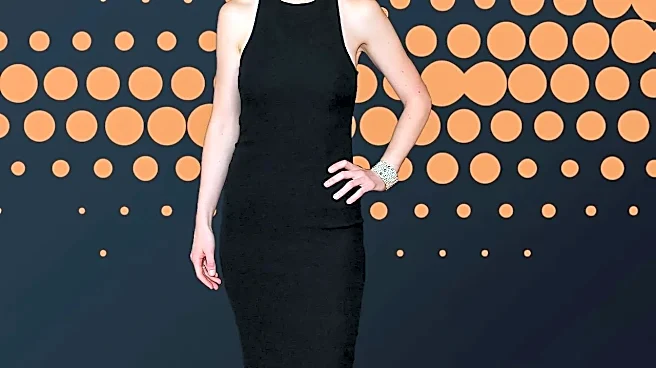
Finally, there's the simple, practical element of the vibe shift. The main ceremony involves a lot of standing, sitting, and formal posing. The after-parties are for dancing, mingling, and celebrating. The fashion reflects this change in energy. Hemlines get shorter, fabrics become more fluid, and silhouettes are designed for movement. At the 2026 Creative Arts Emmys, stars like Shailene Woodley opted for a chic mini shift dress, a perfect example of a look that's both stylish and ready for a less formal setting. Similarly, Leslie Bibb's shimmering, metallic slip dress offered glamour without the restriction of a larger gown. These looks are still high-fashion, but they prioritize a sense of ease and fun that the more theatrical ceremony gowns can't always offer. It’s a transition from a performance of glamour to the experience of it.