






The Goal: Bottling Lightning
Before a single microphone is placed, the broadcast audio team has a clear objective: make the viewer feel like they’re there. A sterile, direct feed from the band’s instruments and vocals would sound clean but dead, lacking the soul of a live show. The
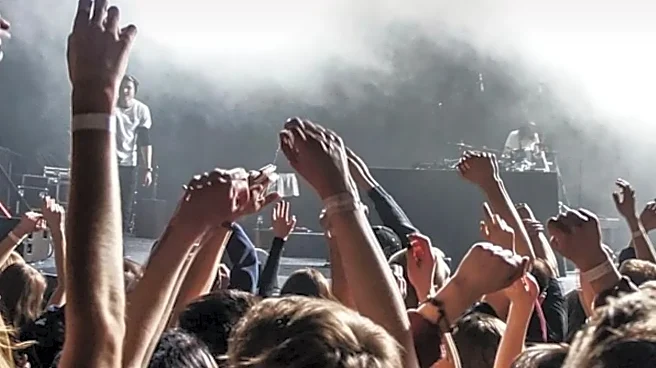
roars, the singalongs, the applause—this is the context that gives a performance its energy. The primary audio engineer, known as the A1, is tasked with capturing this ambient reality and blending it into the mix without overwhelming the music itself. This process is less about simply recording noise and more about capturing an emotional experience. The goal is to create a soundscape that feels immersive and authentic, bridging the physical gap between the event in Golden Gate Park and the viewer at home.
The Tools: An Arsenal of Microphones
To capture the crowd, engineers strategically place an array of specialized microphones throughout the venue. You’ll find them positioned high above the audience, near the front of the stage, and sometimes even further back in the field to get a sense of the space's vastness. So-called “shotgun” mics are frequently used for their ability to focus on a specific area of the crowd while rejecting unwanted peripheral noise. Omnidirectional condenser microphones, which capture sound from all directions, are also popular for picking up a more natural and spacious room tone. These aren't the same mics the artists are singing into; they are dedicated solely to capturing the audience's reactions. The placement is a science in itself—engineers assess the venue’s acoustics to avoid picking up distracting sounds like HVAC systems or wind, while zeroing in on the human element.
The Art of the Mix: A Delicate Balance
In the broadcast truck, the A1 sits at a massive console, juggling dozens of audio channels. They receive a “split” feed, getting direct, clean signals from every instrument and vocal on stage. Simultaneously, they are getting the feeds from all those ambient crowd mics. The real magic is in how they blend these two worlds. A broadcast mix is fundamentally different from the front-of-house (FOH) mix you hear live at the festival. The FOH mix is for a massive open space, while the broadcast mix is for headphones, TV speakers, and soundbars. The A1 will often compress the crowd noise slightly, raising its level between songs to emphasize applause and then ducking it back down once the music starts. Some engineers even ride the faders for the crowd mics in real time, swelling the audience sound at key moments to heighten the excitement for the home viewer.
The Human Element: Taming the Chaos
Crowds are beautifully unpredictable, which is also the biggest challenge for an audio engineer. The ambient microphones are sensitive and will pick up everything: the passionate-but-terribly-off-key fan singing along, the person shouting to their friend, or a random scream that has nothing to do with the performance. Part of the A1's job is to use these sounds to their advantage or minimize them if they become a distraction. Too much individual chatter can make the broadcast sound messy, so engineers often rely on a blend of multiple microphones to create a generalized “wash” of crowd sound rather than distinct voices. Some artists may even request that no crowd mics be used, though this often results in a sterile mix that feels lifeless, and the decision is usually reversed once they hear the result. Ultimately, the audio team walks a tightrope, preserving the raw energy of the audience while delivering a polished, professional product.