






More Than a Tragic Figure
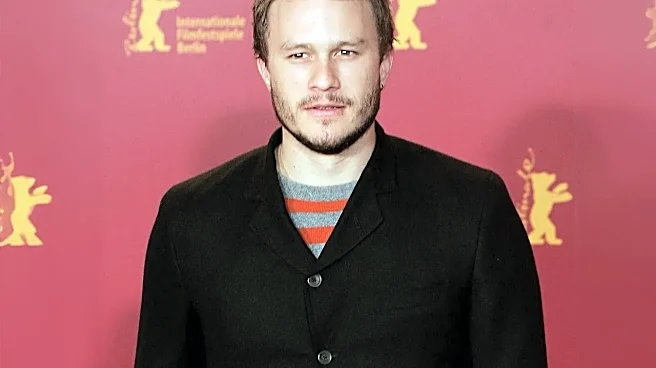
It is impossible to discuss Heath Ledger without acknowledging the tragedy of his death at 28. For many, his story is framed by his passing, turning his career into a narrative of lost potential. But to focus only on the ending is to miss the point of the work
itself. Ledger's legacy endures not because he is a cautionary tale, but because the filmography he left behind is a masterclass in artistic integrity. Unlike actors who dilute their legacies over decades with paycheck roles, Ledger’s body of work is a concentrated, potent collection of deliberate, often brilliant, choices. His untimely death sealed the collection, but its quality is what makes it timeless.
The Rebel Heartthrob Who Hated the Title
Ledger broke into Hollywood as the archetypal teen dream in "10 Things I Hate About You." With his charm and effortless cool, he could have built a lucrative career on romantic comedies. Instead, he actively recoiled from the label. He reportedly turned down high-profile roles, including Spider-Man, because he feared being typecast as a matinee idol. It was a conscious pivot. He followed his breakout success with a stark supporting role in "Monster's Ball" as a suicidal prison guard, a move that baffled those who saw him as the next big romantic lead but signaled his true intention: to be an artist, not just a star. This rejection of an easy path set him apart from contemporaries who chased blockbuster stardom, laying the groundwork for a more interesting and enduring career.
Two Roles That Changed Everything
Two performances define his legacy and demonstrate his incredible range. As Ennis Del Mar in "Brokeback Mountain," Ledger delivered a performance of shattering restraint. He played a man so emotionally repressed he could barely speak, conveying a lifetime of love, pain, and regret through his posture and pained glances. Screenwriter Diana Ossana noted that when the cameras rolled, the gregarious Ledger would pull everything inward and become the character. Then came the Joker in "The Dark Knight." It was a complete 180-degree turn: a performance of anarchic, vibrant chaos. He redefined a character played by many, turning the Joker from a comic book villain into a terrifyingly real agent of chaos with a unique physicality and worldview. These two roles—one a whisper, the other an explosion—are cultural touchstones that showcase a generational talent at its peak.
A Legacy of Artistic Courage
What truly makes Ledger outlast other leading men is the clear intentionality behind his career. He wasn't simply an actor for hire; he was a creator who sought out challenging material and unique directors. He was drawn to roles that explored the confines of masculinity, from the sensitive tough guy in "10 Things" to the tortured cowboy in "Brokeback Mountain." His preparation was famously intense, but collaborators described him as capable of switching his characters off when the cameras stopped rolling, debunking the myth that he was consumed by his roles. He was simply a dedicated professional with a restless creative spirit. This commitment to craft over celebrity is rare. Many leading men of his era and the generations since have built careers on reliable personas, but Ledger built his on transformation and risk.