

The High-Stakes Setlist Puzzle
A regular concert allows for deep cuts and slow burns; a festival set does not. With shorter time slots—often 45 to 60 minutes for mid-tier acts—bands must make every song count. The primary goal is to win over thousands of people who may have never heard
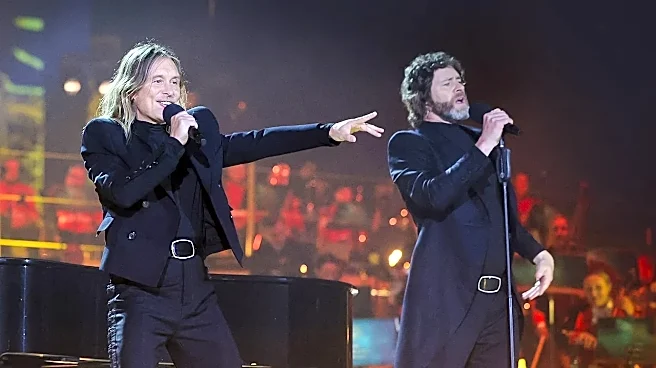
of them. Rehearsals focus on crafting a high-impact, low-risk setlist. This means front-loading with an energetic opener, prioritizing well-known singles, and maintaining momentum. According to touring musicians, the arc of a festival show is designed to be a sprint, not a marathon. Bands will often practice transitioning between songs with minimal silence to create a seamless wall of sound, keeping the distracted, roving crowds engaged. The slow, experimental B-side is almost always the first to be cut in favor of a proven crowd-pleaser.
Simulating the Chaos
A rehearsal room is a controlled environment; a festival field is anything but. Smart bands use their practice time to prepare for the unpredictable. This includes rehearsing at a higher volume to simulate the sound bleed from adjacent stages and the challenge of hearing each other in an open-air environment. Vocalists work on stamina, knowing they'll be pushing their voice over a massive sound system and the roar of the crowd. Some bands even practice their setup and teardown to be as efficient as possible, a crucial skill on a multi-act bill where changeover times are ruthlessly tight. They also rehearse their on-stage movements and stage presence, mapping out who will stand where and how they will interact, turning the performance itself into muscle memory so it holds up under pressure.
Winning Over the Passive Listener
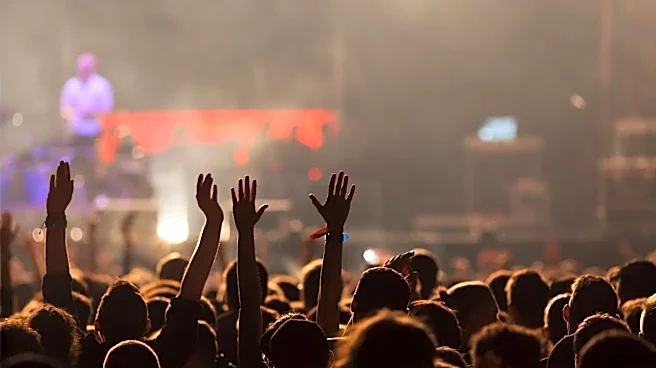
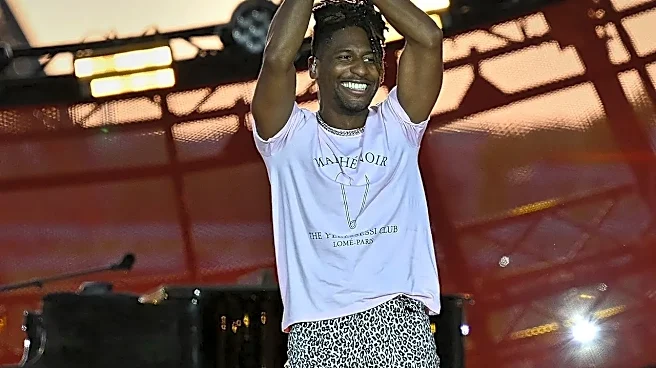
At a band's own headlining show, the audience is already on their side. At a festival, the crowd is a mix of die-hard fans and curious passersby. The rehearsal process, therefore, includes scripting moments specifically designed to grab attention. This isn't just about the music. Bands practice their banter, finding ways to connect with the specific Austin crowd or comment on the festival experience. They identify moments in songs that are perfect for audience participation—a hand clap, a singalong chorus—and rehearse how to cue the crowd effectively. Performers slated for ACL 2026, from rising indie acts to established names, know that a great festival performance is as much about showmanship as musicianship. The goal is to convert the uninitiated, and that requires a level of planned engagement far beyond a typical gig.
The Technical Tightrope Walk
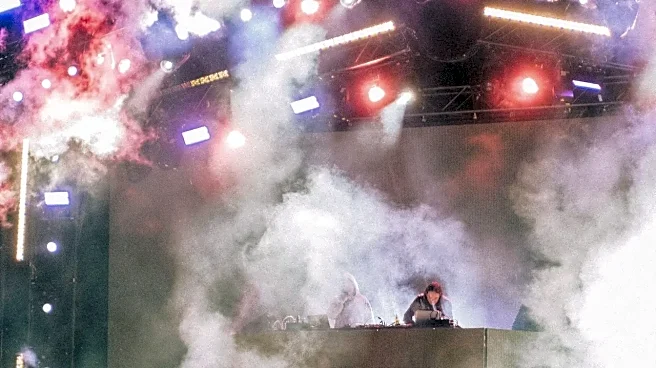
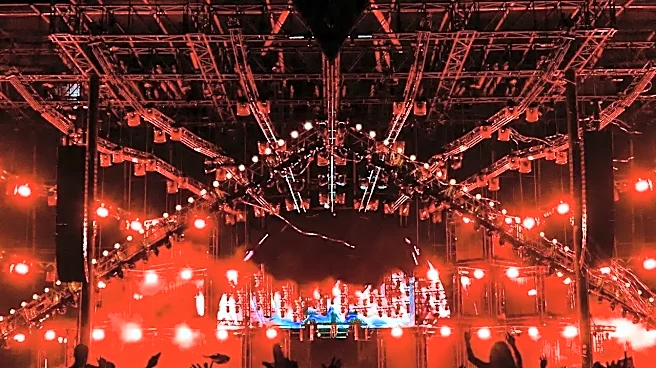
Major festivals like Austin City Limits feature enormous stages with complex lighting rigs and video screens. For many artists, this is a significant step up from their usual club tour production. Rehearsals become essential for integrating these visual elements. Bands will run their set with a lighting director and video tech, ensuring cues are timed perfectly to musical moments. They have to know when a camera will be on them for a close-up on the giant screens flanking the stage. They also need to be prepared for technical difficulties. Having a plan for a failed monitor or a broken guitar string is part of the job. These dry runs ensure that when the band finally steps onto the Zilker Park stage, the technology enhances the show rather than becoming a distraction.