



The Formality Paradox
The core confusion for most shoppers is the clash between two words: "beach" and "wedding." One implies casual, relaxed vibes while the other signals formal celebration. This leads to the most common mistake: dressing for one and ignoring the other. Showing
up in a casual sundress might feel right for the beach but underdressed for a wedding. Conversely, a heavy, structured cocktail dress appropriate for a ballroom will look and feel completely out of place on the sand. The key is finding the middle ground. Dress codes like "beach formal" or "beach cocktail" exist for this reason, blending elegant silhouettes with the practical needs of an outdoor setting. Think of it as luxe-meets-laid-back.
Ignoring the Elements
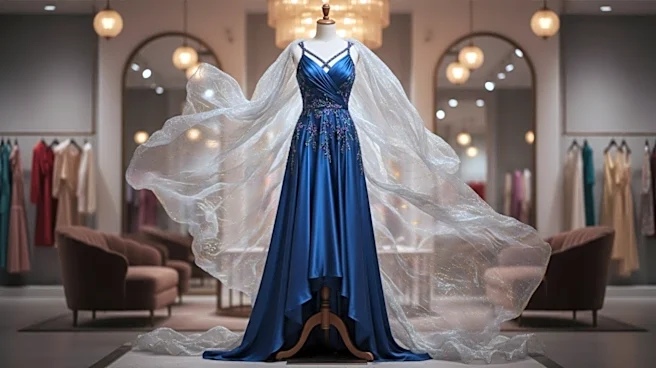
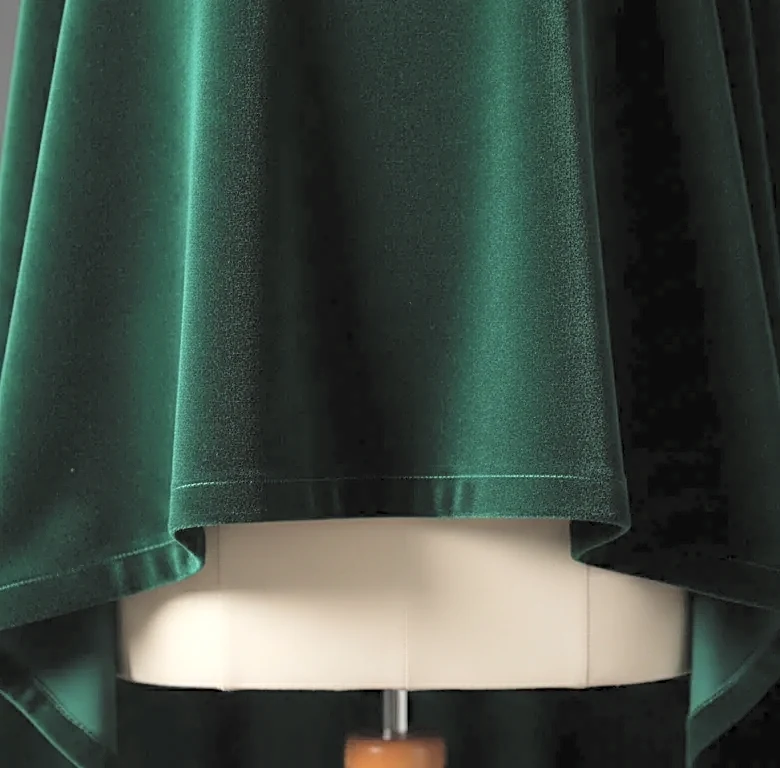
A beautiful beach is also a place of sun, wind, humidity, and uneven terrain. First-time shoppers often envision a perfect, calm day, forgetting these practical realities. Wind can turn a short, flared dress into a liability or make a dramatic, long veil unmanageable. Humidity causes heavy fabrics like velvet or some synthetics to trap heat, leaving you uncomfortable and sweaty. Then there's the sun, which makes dark-colored suits and fabrics that absorb heat a poor choice. A successful outfit must anticipate these elements, not just look good on a hanger. Breathability and structure are your best friends.
The Fabric and Fit Fallacy
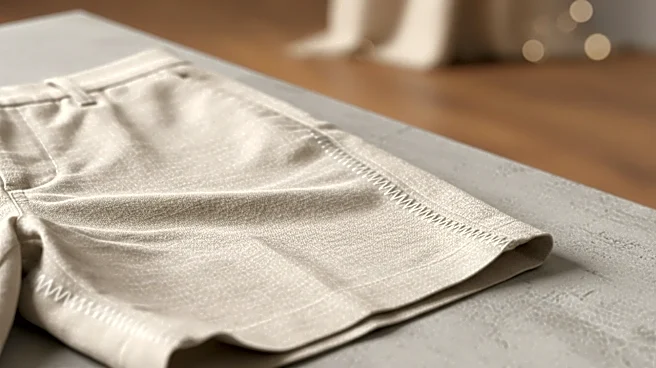
In a store's climate-controlled environment, it’s easy to choose the wrong material. Shoppers gravitate toward what looks formal, but fabrics like heavy satin, wool, or stiff brocades are disastrous choices for a beach wedding. They don't breathe, they show sweat, and they lack the movement that makes beach attire feel so elegant. The best options are lightweight materials like linen, chiffon, high-quality cotton, organza, and crepe. These fabrics allow for airflow and move gracefully with the sea breeze. Similarly, a floor-length gown might seem formal and appropriate, but a hem that drags on the ground will collect sand, look dirty, and become heavy and cumbersome throughout the day.
The Footwear Fiasco
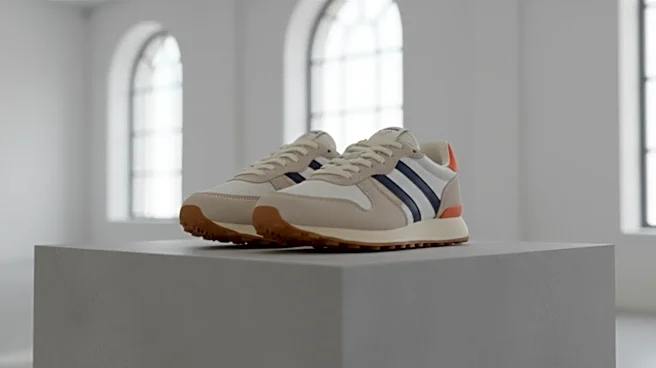
Perhaps the most classic mistake is choosing the wrong shoes. Stiletto and other thin heels are completely impractical for a beach wedding; they sink directly into the sand, making walking difficult and awkward. Many first-time guests buy beautiful heels to match their dress, only to spend the entire event barefoot or struggling to navigate the terrain. This doesn't mean you must wear casual flip-flops. The best choices are elevated, sand-friendly options like wedges, block heels, or elegant flat sandals. For men, loafers or boat shoes are a much safer bet than formal dress shoes, which can be ruined by sand and water.
Misinterpreting 'Beach Formal'
When an invitation says "beach formal," many shoppers panic, unsure what it means. It is not the same as traditional formal or black-tie optional. It’s a dress code that calls for the polish of formalwear executed in lighter, more practical materials. For men, this could mean a linen suit instead of a dark wool one, with a tie often being optional. For women, it suggests a flowy maxi or midi dress in an elegant fabric like chiffon or silk, rather than a heavily structured gown. The word "formal" signals that you should not wear shorts, T-shirts, or casual sundresses, while "beach" tells you to prioritize breathable fabrics and practical footwear.