



The Quiet Luxury of Texture
The single most impactful detail that makes a fabric look richer is visual and tactile texture. Unlike flat, uniform surfaces, textured materials catch light in varied, subtle ways, creating depth and dimension. This complexity makes a fabric feel more
considered and substantial. Think of it as the difference between a flatly painted wall and one with a subtle plaster effect; the texture adds character and a sense of craftsmanship. In textiles, this character can come from several sources, including the yarn itself, the weave structure, or the way the fibers are blended.
The Perfectly Imperfect Yarn
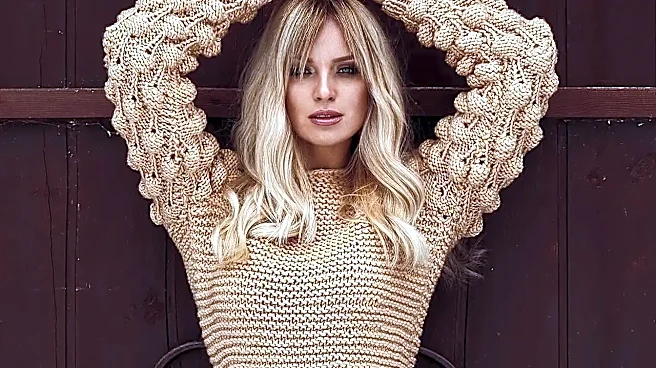
One of the most common ways to build in texture is by using 'slub' yarns. Slub yarn is intentionally spun with thicker and thinner sections along its length. When woven, these variations create a fabric with a gently irregular surface, often seen in high-quality linen and cotton. These are not defects; they are a design choice that gives the material a relaxed, organic, and quietly luxurious feel. Another example is bouclé, a French word meaning 'curled'. This fabric is made from looped yarns that create a distinctive, bumpy texture, famously used in Chanel jackets and now a staple in high-end furniture for its ability to add instant sophistication.
Weaving in Richness
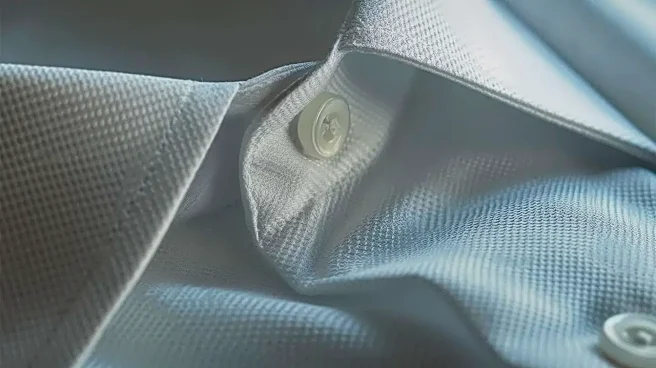
Beyond the yarn, the weave itself can create inherent texture. A plain, flat weave is simple and smooth, but more complex structures add visual interest. Twill, for instance, is identifiable by its diagonal parallel ribs, which give fabrics like denim and chinos their sturdy, classic look. Herringbone and basket weaves are other examples where the pattern of interlacing threads creates a subtle, tangible texture that looks more elevated than a simple flat surface. These weaves are not only visually appealing but also often add to the fabric's durability.
The Depth of Heathered Colors
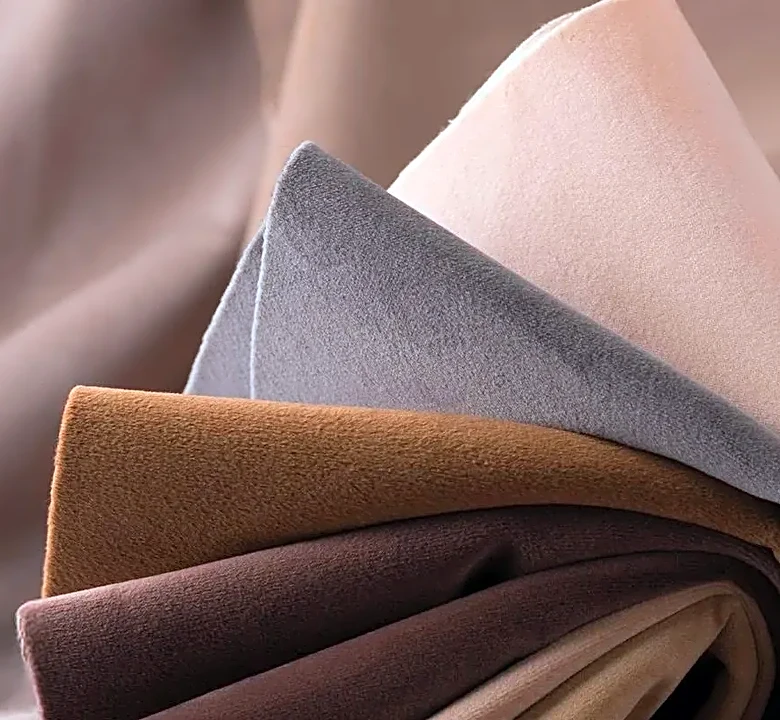
Texture isn't just about feel; it can also be purely visual. This is where 'heathered' fabrics come in. A heathered fabric is created by blending different colored fibers together before they are spun into yarn. The result is a single thread that contains multiple tones, creating a soft, mottled, or speckled look in the final fabric. This gives a solid-colored garment a multi-level appearance with more visual depth than a fabric dyed a single, flat color. It’s a technique that makes a simple t-shirt or sweater look more considered and, therefore, more expensive.
How to Spot Quality Texture
When you're shopping, make a point to look beyond color and pattern. Hold fabrics up to the light to see the weave's consistency and density. Run your hand over the surface; high-quality textured fabrics feel substantial, not rough or flimsy. For slub fabrics, the variations should feel like an integrated part of the material, not like loose nubs that could easily snag. With bouclé, look for tight, consistent loops. By training your eye—and your hand—to recognize these subtle details, you can more easily identify garments and home goods that possess a quiet, lasting luxury that goes far beyond fleeting trends.