


The Ponytail Paradox
The high, snatched ponytail is a modern red carpet staple, worn by everyone from Ariana Grande to Jennifer Lopez. It’s powerful, chic, and exudes confidence. But for anyone who has attempted it at home, the reality is often less glamorous. Within an hour, you’re battling a tension headache, the base starts to sag, and pesky flyaways crop up around your hairline. So how do celebrities wear these architectural marvels for hours under hot lights, looking flawless from every camera angle? The secret isn’t a miracle hairspray or a special kind of elastic. The secret is that the ponytail you’re seeing is often not what you think it is. It’s a carefully constructed illusion, designed for maximum impact and surprising stability.
The Foundation: It’s Not One Ponytail
Here's the fundamental
trick that changes everything: celebrity stylists rarely pull all of the hair up into a single, towering ponytail. That method puts immense strain on the scalp and simply can't support the weight of heavy extensions for an entire evening. Instead, they build a foundation. The first step is to create a much smaller, tighter ponytail or bun using just a section of the natural hair at the crown of the head. This small, secure base acts as an anchor. It’s positioned exactly where the final ponytail will sit, but it’s discrete and incredibly strong. This foundational pony is often secured with a hair bungee—an elastic cord with hooks on each end—rather than a standard hair tie. Bungees allow for a much tighter wrap without pulling or snagging the hair, creating a super-stable platform to build upon.
The Illusion: Attaching the Hairpiece
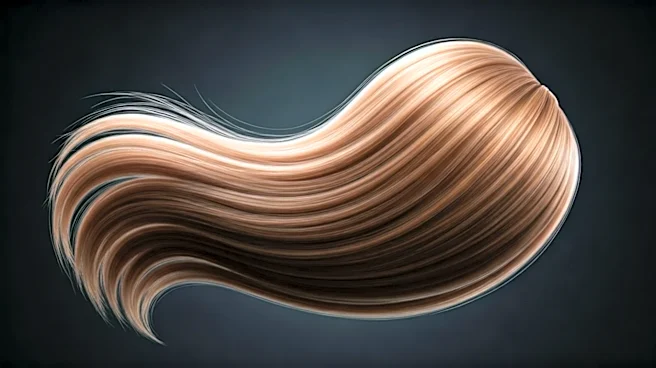
Once the anchor is set, the real magic happens. The stylist isn’t adding individual extension wefts into the hair; they are attaching a full, pre-styled ponytail hairpiece. These pieces are essentially a long, thick swatch of hair (often high-quality human hair) that is already attached to a small mesh cap or comb. The comb or hooks on the hairpiece are inserted directly into the base of the foundational ponytail. This technique transfers all the weight of the extensions onto the secure anchor, not onto the individual strands of hair across the scalp. This is what prevents the dreaded ponytail headache and stops the style from drooping over time. The main ponytail is, in essence, a separate accessory that is being mounted onto the head, not created from the hair on the head itself.
The Finish: The Wrap and The Sleek
With the hairpiece firmly attached, the final steps are all about camouflage and polish. To hide the seam where the extension meets the natural hair, the stylist takes a generous strand of hair from the underside of the ponytail piece and wraps it tightly around the base, covering all the mechanics. This wrapped section is secured with a hidden bobby pin and a shot of strong-hold hairspray. The result is a seamless transition that looks like the ponytail is growing right out of the scalp. To get that signature “snatched” look, stylists then slick back the remaining natural hair (the hair that wasn’t in the foundational pony) using a strong-hold gel or pomade and a boar bristle brush, blending it into the base. This ensures there are zero flyaways and creates that taut, face-lifting effect that makes the style so dramatic and camera-ready.