






The New Rules of the Game
At most fashion weeks, getting on the official schedule is about buzz and industry connections. In Copenhagen, it’s about homework. Since January 2023, brands have been required to meet a rigorous set of 18 minimum sustainability standards to even be considered.
These aren't gentle suggestions; they are mandatory requirements covering the entire value chain. This includes banning single-use plastics and the destruction of unsold clothes, ensuring fair labor conditions, and using a significant portion of sustainable materials—at least 60% of collections must be made from certified, upcycled, or deadstock fabrics. This framework, first introduced in 2020, has transformed the event from a simple showcase into what some call a "catalyst for change." It's a bold move in an industry often criticized for greenwashing, proving that real accountability requires strict implementation, not just vague promises.
Creativity Through Constraint
Initially, such strict rules might seem like a creative straitjacket. But designers showing at Copenhagen have demonstrated the opposite. The constraints have become a powerful prompt for innovation, forcing a fundamental rethink of how clothes are designed and made. When you can't rely on virgin fur or an endless supply of conventional textiles, you have to get inventive. This has led to an explosion in textile innovation, with collections featuring novel materials derived from agricultural waste, advanced recycling techniques, and bio-fabrics. Designers are embracing modular garments that can be worn in multiple ways, promoting a "buy less, wear more" philosophy. The result is a new design language where resourcefulness is the ultimate luxury. As one creative director noted, the framework has helped show that "creativity and accountability can exist side by side."
The Look: Responsible and Radiant
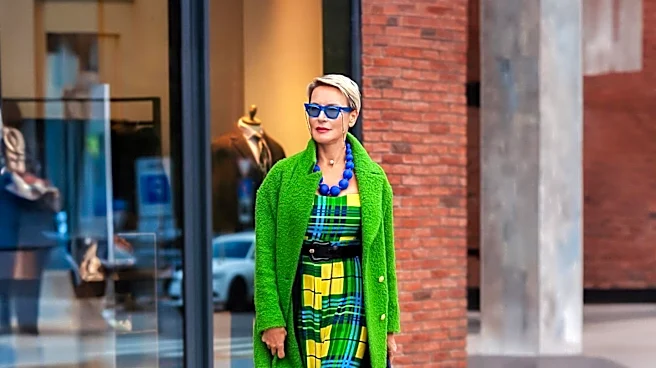
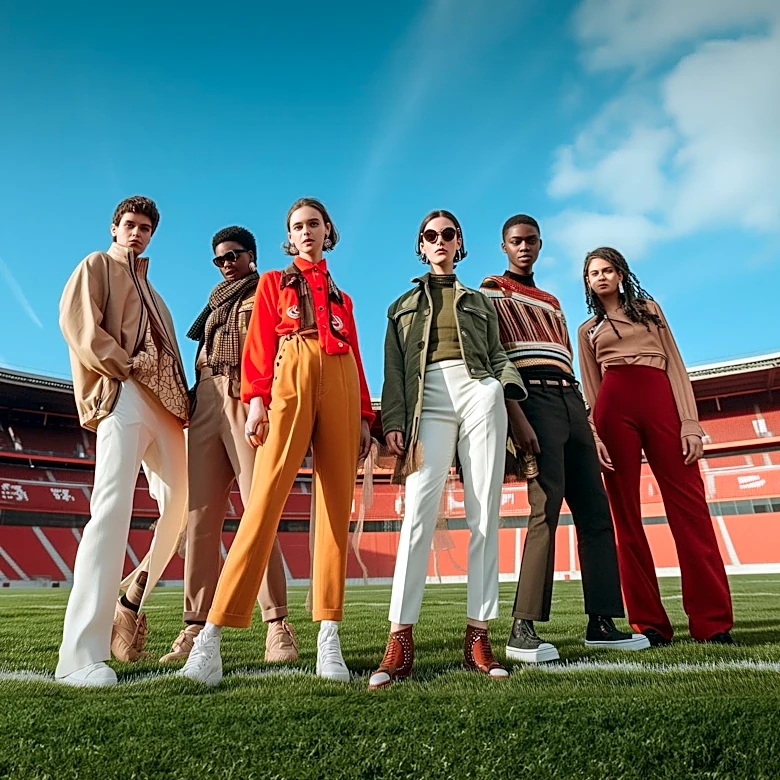
So what does this new era of fashion actually look like on the runway? Forget the bland earth tones of early eco-fashion. The Copenhagen aesthetic is vibrant, sophisticated, and full of personality. It's about knit dresses crafted from biodegradable wool, gender-fluid silhouettes in eco-conscious fabrics, and upcycled garments given new life with meticulous craftsmanship. Brands are finding beauty in imperfection, turning surplus textiles and industry waste into unique statement pieces. The focus on longevity and quality is palpable. These aren't disposable clothes; they are thoughtfully constructed garments meant to be cherished. The street style, a huge part of any fashion week, reflects this shift, with attendees showcasing effortless layering and vintage-luxury combinations that speak to a more conscious approach to personal style.
The Copenhagen Effect
What happens in Copenhagen no longer stays in Copenhagen. The event's success has created a ripple effect across the industry. Dubbed the “fifth fashion week” after New York, London, Milan, and Paris, it has become a leader in defining fashion's future. Other fashion weeks, including those in Berlin and London, have looked to Copenhagen's sustainability framework as a model to adopt for their own events. By proving that a fashion week can be both a creative hotbed and a platform for meaningful change, Copenhagen has set a new standard. It has successfully challenged the idea that sustainability is a niche concern, repositioning it as an essential component of modern luxury and creative vision. The message is clear: in the future, the most desirable fashion will also be the most responsible.