
An Anti-Fashion Statement
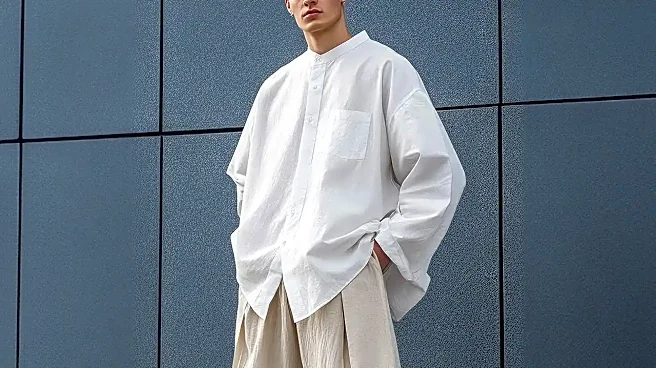
First, let’s define the dress code. Normcore, a term that gained momentum around 2013, was the art of intentional, hardcore normalcy. Its uniform consisted of decidedly unpretentious, often unisex basics: light-wash straight-leg jeans, plain white or grey
t-shirts, crewneck sweatshirts, nondescript sneakers, and maybe a fleece jacket for good measure. The goal was to look average, functional, and comfortable. Iconic inspirations weren't runway models but figures like Jerry Seinfeld or a pre-turtleneck Steve Jobs, masters of a simple, unchanging uniform. In a world of fleeting trends, normcore championed the timelessly, and ironically, uncool. It was a deliberate choice to step away from the pressure to be different and find a sense of freedom in embracing the ordinary.
A Hangover from the Great Recession
To understand the 'why,' you have to look at the economic climate. The early 2010s were shadowed by the 2008 financial crisis. The flashy, logo-mania extravagance of the 2000s—with its bedazzled accessories and conspicuous branding—suddenly felt out of touch and even vulgar. In its place came a desire for practicality and a rejection of overt wealth signaling. Normcore was the aesthetic manifestation of this shift. It was a quieter, more democratic approach to style that didn't require a fat wallet. By prizing anonymity over brand names, it subtly pushed back against a culture of excess that many millennials, entering a shaky job market, could no longer afford or stomach. The focus shifted from what you wore to who you were, valuing intelligence and personality over a flashy wardrobe.
Exhaustion in the Age of Instagram
The other crucial ingredient was the explosive rise of social media. Instagram, launched in 2010, was rapidly transforming how we presented ourselves to the world. It created a new pressure for constant self-curation, where every outfit was an #OOTD (outfit of the day) and life became a performance for likes. The hipster culture that preceded normcore, with its emphasis on niche tastes and unique finds, became exhausting in this new digital arena. Normcore emerged as a direct reaction to this performative individualism. It was a way to opt out of the relentless trend cycle and the demand to be visually special. By dressing “normally,” you were signaling you were too self-assured to participate in the attention economy, even as the trend itself was dissected and shared across the very platforms it seemed to reject.
The Search for Authenticity
At its heart, the trend was about finding belonging. The term was popularized by the art collective K-Hole, which originally defined it not as a style, but as a social attitude: finding liberation in being nothing special. In a society that was becoming increasingly fragmented into digital subcultures, normcore was about the freedom to connect with anyone, anywhere, without the friction of a loud visual identity. It was a quest for something authentic in a world that felt increasingly artificial. This embrace of the mundane wasn't about being boring; it was about the confidence of not needing your clothes to shout for you. It was a statement that true individuality wasn't something you could buy, but something you simply had.