







More Than a Scent, A Signature
Think of fragrance layering as composing music or painting on a canvas. Instead of being limited to a single bottle, you become the perfumer, blending different notes to create a final product with more depth and complexity than any one scent could achieve
on its own. This practice, rooted in Middle Eastern traditions, transforms your fragrance routine from a simple spritz into a ritual of self-expression. The goal is to craft a scent that adapts to your mood, the season, or an occasion, ensuring you never smell like anyone else. The "hidden note" is the unique harmony that emerges from your specific combination on your specific skin, telling a story that is completely yours.
Understanding the Rules of Harmony
To layer successfully, it helps to understand the basic fragrance families: Fresh (citrus, aquatic), Floral (rose, jasmine), Woody (sandalwood, cedar), and Amber (formerly Oriental, with notes like spice and vanilla). The easiest way to start is by pairing scents from complementary families. Tried-and-true combinations include pairing a bright citrus with a grounding woody scent or adding the warmth of vanilla to a delicate floral. Another key principle is layering by weight. The general rule is to apply the heaviest, richest scent first to create a solid foundation. This allows the deeper base notes, like musk or amber, to anchor the fragrance, so the lighter top notes can shine without being overpowered.
A Simple Technique for Beginners
If you're new to layering, start with just two scents to avoid creating a muddled or overwhelming aroma. A great starting point is to pair a simple, linear fragrance (one that smells fairly consistent from start to finish, like a single vanilla or musk) with a more complex perfume. This gives your main scent a clean canvas to build upon. Another easy entry point is to use scented body products. Start with clean, moisturized skin, as hydration helps fragrance last longer. Applying a scented body lotion or oil can act as your base layer, creating a subtle foundation that you can then enhance with a spritz of your chosen perfume on top.
Where and How to Apply
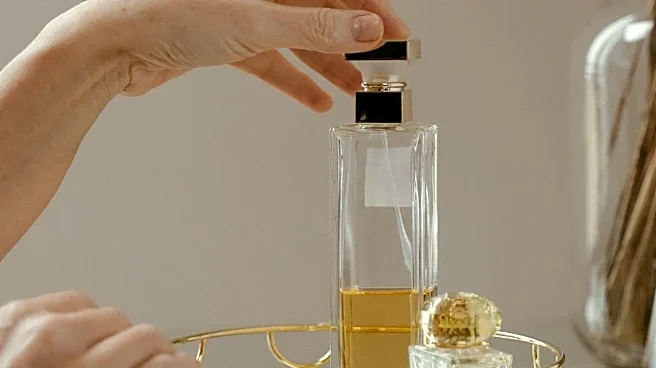
Strategic placement is key to making your layered creation come to life. Apply your fragrances to pulse points, where your body generates more heat—think wrists, the neck, behind the ears, and even the inner elbows. This warmth helps diffuse and develop the scent throughout the day. When applying, resist the urge to rub your wrists together. That friction can break down the delicate top notes of a perfume, altering the scent's intended evolution. Instead, gently tap your wrists together or simply let the fragrance air-dry. For a more dimensional effect, you can also apply different scents to different pulse points; for instance, one on your neck and another on your wrists. The aromas will mingle in the air around you, creating a subtle, shifting scent trail.
Common Mistakes to Sidestep
The most common pitfall is overloading your senses. Stick to two or three scents and a total of three to four sprays to avoid creating "perfume white noise" where no individual note can be appreciated. Also, avoid layering two very heavy or complex fragrances together, as they will likely compete rather than complement each other. If you do create a combination that feels too strong, you can try to tone it down by lightly misting a simpler, fresher scent over it. Finally, always test your new combination on your skin, not just on a paper strip. Your unique body chemistry plays a huge role in how a fragrance ultimately smells, so give it at least 30 minutes to see how the blend truly evolves on you.