



The Golden Lion: A Ticket to Immortality
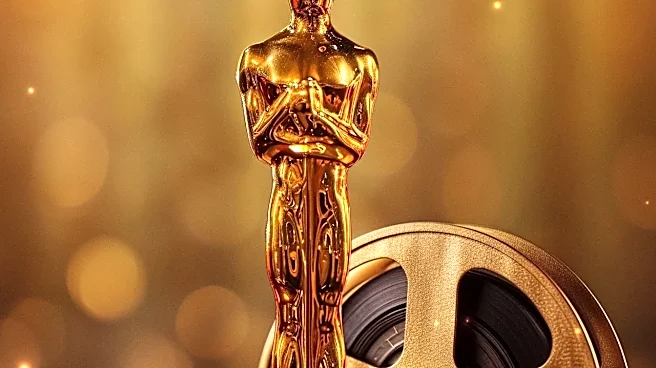
First awarded in 1949, the Golden Lion is the festival’s top prize and one of the most prestigious honors in all of cinema. For filmmakers, winning it is a career-defining moment, placing them in the same breath as legends like Akira Kurosawa and Luis
Buñuel. Beyond pure prestige, the Lion has become a powerful launchpad for the Academy Awards. Its late-summer timing is perfect for building momentum into Oscar season. A remarkable string of winners, including "The Shape of Water" (2017), "Joker" (2019), and "Nomadland" (2020), all began their journeys to Oscar glory after winning in Venice. A Golden Lion win signals to the industry that a film is not just another premiere, but a serious artistic achievement and a major awards contender. It tells the world that a jury of esteemed filmmakers and artists believes this movie will still matter when the initial noise has faded.
The Reviews: Forging a Film’s Fate
While the Golden Lion is a singular prize, the judgment of film critics is a collective force that can make or break a movie's future before it even leaves the festival. Because Venice has a highly selective and curated lineup, every film in the main competition gets concentrated attention from the world's top entertainment journalists. A wave of rave reviews from influential outlets can secure a distribution deal for a smaller, independent film or solidify a studio blockbuster's commercial and artistic credentials. For example, when Alfonso Cuarón's "Gravity" premiered in 2013, Warner Bros. was reportedly unsure of its commercial prospects. Overwhelmingly positive reviews out of Venice helped propel it to over $700 million at the box office and an Oscar for Best Director. Conversely, a critical drubbing on the Lido can be a death sentence, evaporating a film's awards chances on impact, as some observers noted with 2024's "Joker: Folie A Deux."
The Buzz: The Audience’s Roar
In the age of social media, the intangible currency of "buzz" has become a powerful metric of its own. This isn't just about applause; it’s about the length and enthusiasm of standing ovations, the immediate reactions on social platforms, and the general feeling that a film has become an event. A rapturous reception from the public screenings can create a wave of momentum that is impossible for distributors and marketers to ignore. It signals that a film connects with audiences on an emotional level, which is a key indicator of potential box office success. Films like "La La Land" and, more recently, "The Voice Of Hind Rajab" experienced explosive audience reactions at Venice that immediately positioned them as must-see movies and serious awards players. This buzz is especially crucial for actors hoping to enter the Oscar conversation; a transformative role that gets everyone talking can launch a campaign overnight.
The Verdict: It Depends Who’s Asking
So, which matters most? The truth is, the answer depends entirely on a film's goals. For an auteur director, the historical prestige of the Golden Lion is the ultimate validation of their artistic vision. For a small, independent film without a U.S. distribution deal, glowing reviews are a lifeline, essential for getting acquired and seen. For a major studio picture with a big star, generating massive audience buzz is paramount to ensuring a strong opening weekend and justifying its budget. The three elements are not mutually exclusive; in fact, they often feed each other. A critically acclaimed film might earn a longer, more enthusiastic standing ovation, which in turn might influence the jury to consider it for the Golden Lion. The dream scenario for any film premiering on the Lido is to capture all three: the critical acclaim, the audience's love, and the jury's top prize. When that happens, as it did for films like "Poor Things" and "The Shape of Water," Venice proves it is the undisputed kingmaker of the awards season.