



From Humble Beginnings to Hollywood's Stage
For decades, San Diego Comic-Con was exactly what its name suggested: a convention for comic book lovers. It was a place for fans to meet creators, hunt for rare back issues, and celebrate a shared passion far from the mainstream. But as Hollywood began
to realize that yesterday's niche hobbies were becoming today's blockbuster intellectual property (IP), the convention’s focus shifted. Film studios started using the event to launch their big-budget superhero and fantasy films, turning the famed Hall H into a global marketing platform. A single, well-received panel could generate months of positive buzz, making the 100,000-plus attendees not just consumers, but crucial evangelists. The model was simple: win over the most dedicated fans, and they would carry your message to the rest of the world.
The Streaming Wars Demand a Spectacle
Enter the streaming era. As Netflix, Disney+, Prime Video, and others began pouring billions into original content, they faced a new problem: discovery. In a world with endless scrolling options, how do you make your new fantasy epic or sci-fi mystery feel like a can’t-miss cultural event? You take it to Comic-Con. For streamers, the convention is less a marketing opportunity and more a strategic necessity. It’s a chance to go head-to-head with legacy movie studios and prove their productions have the same blockbuster scale and fan appeal. This year, streamers like Disney+, Apple TV+, and Prime Video are all making massive pushes with panels and events for shows like “Percy Jackson and the Olympians,” “Silo,” and “Blade Runner 2099.” The goal isn't just to show a trailer; it's to build a tangible connection and sense of urgency that cuts through the digital noise.
Winning the War Beyond Hall H
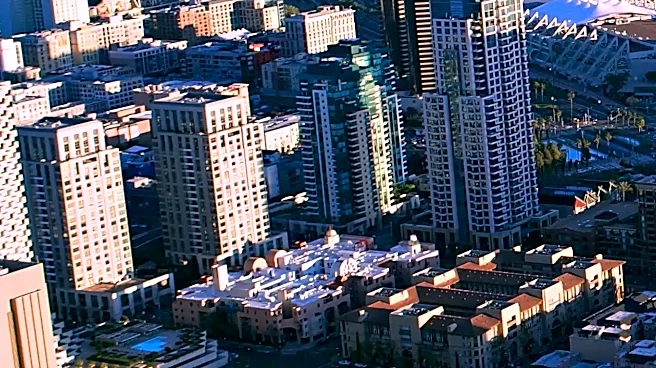
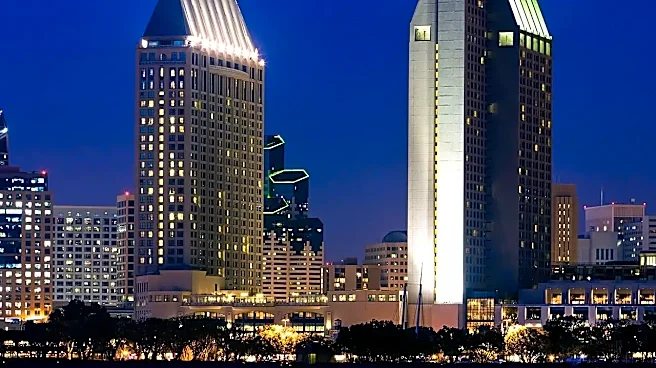
The battle for attention is no longer confined to panel presentations. The real war is now fought on the streets of San Diego's Gaslamp Quarter. Streamers and studios are spending millions on massive, free "off-site activations"—elaborate, immersive experiences designed to generate social media FOMO. This year, fans can enter a recreation of the comic shop from a new “Big Bang Theory” spinoff, undertake Green Lantern training, or explore an interactive silo from Apple TV+'s “Silo.” These activations are badge-free, extending a brand's reach to the entire city and creating highly shareable moments. For companies like Hulu, its returning "Animayhem" pop-up isn't just a promotion for shows like “Futurama”; it's a fan-service hub with themed food and photo ops designed to foster goodwill and brand loyalty. This ground game has become as important, if not more so, than the news coming out of the convention center itself.
Is the Fan Experience Now Collateral Damage?
For the average attendee, this corporate arms race is a double-edged sword. On one hand, the scale of the spectacle is unprecedented. Fans have the chance to step directly into the worlds of their favorite shows and see A-list stars up close. On the other, the overwhelming commercialism and intense competition for access can be draining. Getting into a major Hall H panel requires strategic planning and often camping out overnight. The most popular off-site activations are mobbed, with reservations vanishing instantly and standby lines stretching for hours. While the convention is financially healthy and has roared back to life post-pandemic, the rising costs and capacity limits are a source of strain. The very forces that made Comic-Con a global phenomenon now threaten the sense of community that started it all, leaving some to wonder if the magic is getting lost in the marketing blitz.