




What Exactly Are 'Studio Notes'?
In Hollywood, "notes" are feedback given by producers, studio executives, and sometimes even actors on a script or a cut of a film. They are an unavoidable part of a collaborative, high-stakes business. These suggestions are intended to help a writer
or director in the next stage of their work. The notes can range from small tweaks to massive overhauls, covering everything from dialogue and character arcs to the entire third act. In theory, they’re a quality control mechanism. In practice, they often become a process of risk mitigation, where suggestions are driven by marketability, test-audience feedback, and executive anxieties rather than pure creative instinct. The goal is often to sand off the rough, idiosyncratic edges to create a product with the widest possible appeal.
The Road to Vanilla Is Paved with Good Intentions
No studio sets out to make a bad movie. With production and marketing budgets soaring into the hundreds of millions, executives are tasked with protecting their investment. Notes are their primary tool for doing so. They are trying to avoid a financial catastrophe by making the film more palatable to a global, four-quadrant audience. The problem is that the very "weirdness" that makes a director's vision unique is often the first thing flagged as a risk. A dark tone might alienate families. A complex hero might confuse viewers. An unconventional ending might not test well. The impulse is to smooth everything out, to make it faster, funnier, or more like whatever is currently succeeding at the box office. But in chasing a proven formula, they often dilute the special ingredient that made the franchise worth investing in from the start.
Case Study: The Battle for the Soul of DC
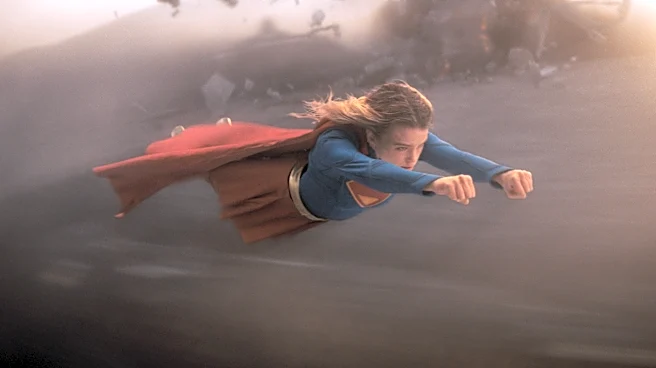
Perhaps no modern franchise showcases this struggle more clearly than DC films. After the dark and divisive reception to Batman v Superman, Warner Bros. reportedly grew nervous about the similarly gritty tone of David Ayer’s Suicide Squad. The result was a theatrical cut that Ayer has publicly disowned, stating, "The studio cut is not my movie." The original version was described as a more emotional and tonally serious film, but studio-mandated reshoots and a new edit—handled by the company that made the trailer—injected more jokes and pop music to chase the success of Marvel's lighter, more comedic fare. Similarly, Zack Snyder's departure from Justice League led to another director, Joss Whedon, reshooting large portions of the film to align with the studio's desire for a shorter, quippier movie. The eventual release of Zack Snyder's Justice League revealed a vastly different, four-hour epic that restored entire character arcs and a more somber tone, demonstrating just how dramatically studio notes can reshape a final product.
The Uniqueness Paradox
This creates a paradox at the heart of the franchise machine. A studio will often hire a director with a bold, unique, and even 'weird' sensibility to launch a new property. They are buying the very thing that stands out. Yet, the internal machinery of blockbuster filmmaking is designed to systematically iron out that uniqueness. From Sam Raimi being pressured to include the villain Venom in Spider-Man 3 against his wishes to James Cameron having to fight executives who wanted to shorten the flying sequences in Avatar, the battle is constant. The sequences in Avatar that the studio wanted to cut turned out to be what audiences loved most. Some directors, like Cameron, have the power to win those fights. But for many others, the process results in a compromised vision that feels less like a film and more like a product assembled by a committee. The very weirdness that was the initial appeal becomes a liability to be managed, leading to the familiar blandness of a once-exciting franchise.