
The Initial Vision
The journey begins days or even weeks before the show, with a crucial meeting between the fashion designer and the lead makeup artist, often called the key artist. This isn't just a casual chat; it's a deep
dive into the collection's soul. The designer shares their inspiration, mood boards, color palettes, and the overall story they want the clothes to tell. The key artist’s job is to translate these abstract concepts—like “moody romance” or “futuristic optimism”—into a tangible makeup direction that enhances, rather than competes with, the garments. This collaborative conversation sets the entire creative direction for the show's beauty aesthetic.
The All-Important Beauty Test
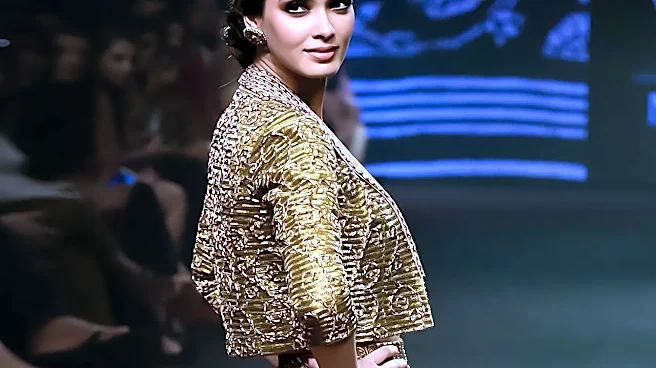
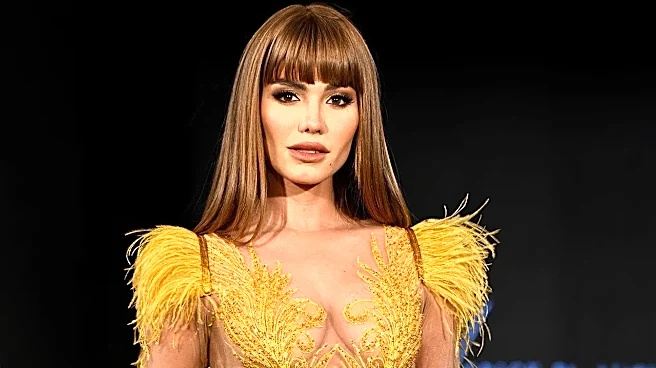
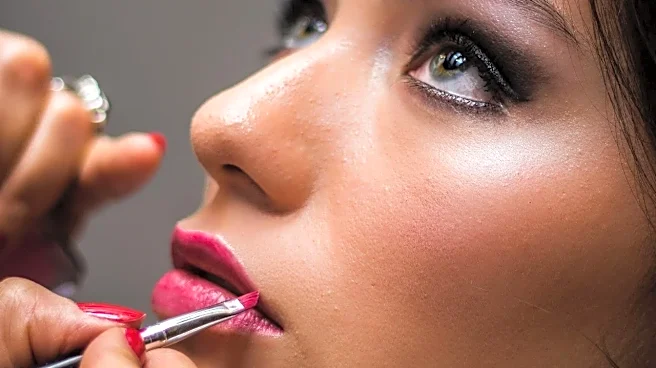
Next comes the "beauty test," the most critical phase of the process, which typically happens a few days before the show. Here, the key artist, designer, and hairstylist gather with a test model to bring their ideas to life for the first time. This is a hands-on, experimental session where theories are put into practice. The key artist will try out different products, shades, and application techniques, often testing multiple variations of a look. One model might have a smoky, edgy eye, while another tries a softer, more romantic lavender shade, allowing the designer to see the options side-by-side and make adjustments. It's a process of refinement, collaboration, and sometimes, happy accidents that lead to the final, approved look.
Creating the Blueprint
Once the designer gives the final sign-off, the look must be documented with absolute precision. The key artist and their assistants create detailed face charts, which are essentially blueprints for the makeup. These charts map out every single product used, from the exact shade of foundation to the specific placement of eyeliner and the type of lip gloss. The assistant often draws a face and applies the actual cosmetics to the paper for a true color reference. High-quality photographs of the test model are taken to serve as the ultimate visual guide. This meticulous documentation is non-negotiable, as it’s the only way to ensure the look can be replicated consistently across dozens of models on show day.
The Team Briefing and Execution
On the day of the show, hours before the first model arrives, the key artist holds a briefing for their entire makeup team, which can range from 10 to over 40 artists. During this huddle, the face charts and reference photos are distributed, and the key artist often demonstrates the complete look on a model from start to finish. This ensures every artist on the team understands the technique and aesthetic. When the models arrive, the backstage area transforms into a zone of organized chaos, where each artist has as little as 15 to 30 minutes per model to execute the look flawlessly. Speed, precision, and consistency are the most important skills in this high-pressure environment.
Final Checks and Runway Touch-Ups
The work doesn't stop once the initial makeup is applied. After the models are dressed, the key artist performs a final walkthrough, checking every single face under conditions that mimic the runway lighting. This is the last chance to make crucial adjustments, like blotting excess shine from a T-zone, adding a final swipe of gloss, or concealing a last-minute blemish. Artists stand by for touch-ups right until the moment the models line up to walk. This final, detail-oriented step ensures that the vision conceived weeks earlier is perfectly presented on the world's stage.