






The Ancient Problem With a Modern Price Tag
Adapting classic literature is a notoriously tricky business. On one hand, the story is world-famous and in the public domain. On the other, it can feel like homework to modern audiences, and fan expectations are a minefield. For a story as old and revered
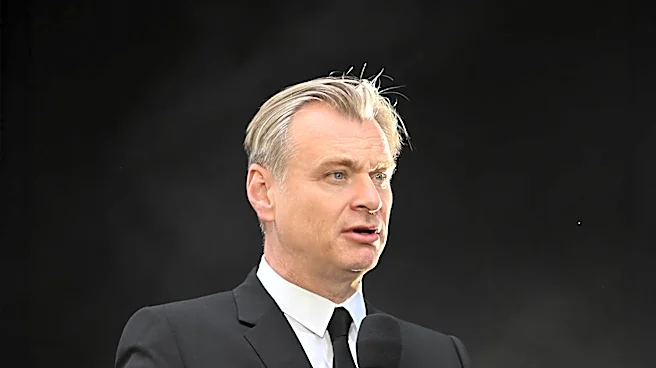
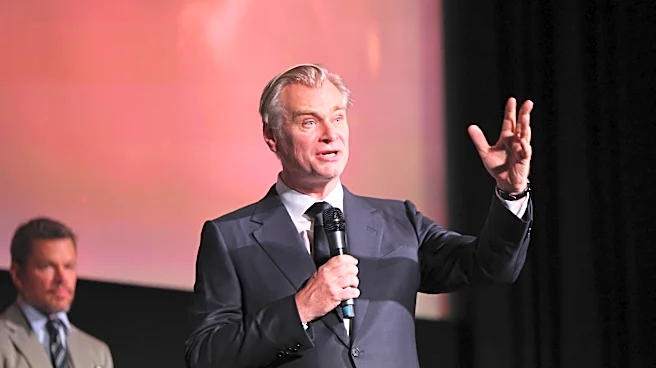
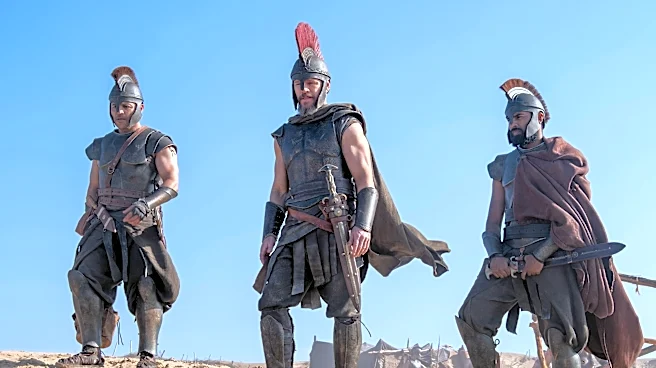
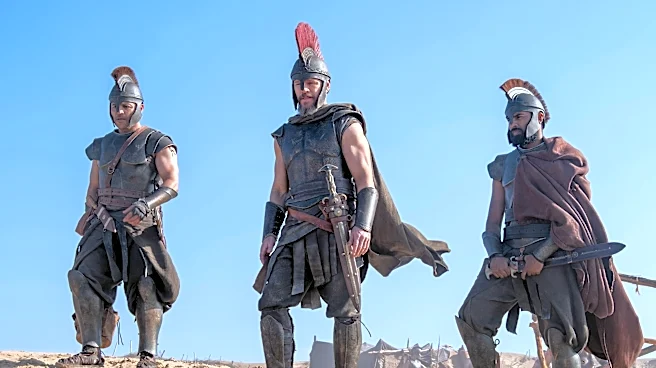
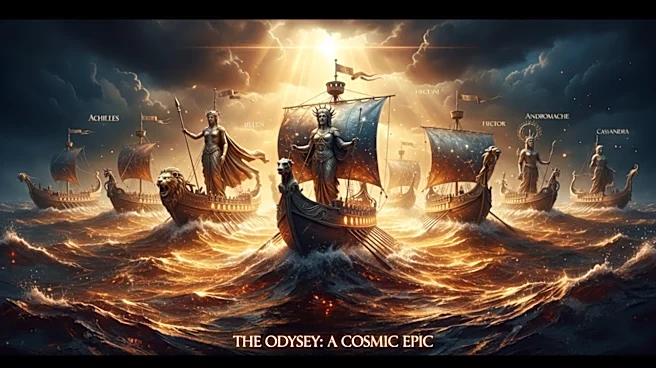
as The Odyssey, the challenge is immense. How do you make a 3,000-year-old poem feel urgent and vital without losing its essence? Studios see a high-concept, non-franchise property and understandably get nervous. The very things that make it a classic—its dense poetry, its sprawling journey, its mythological figures—also make it a tough sell as a summer blockbuster. Christopher Nolan's upcoming adaptation, for instance, reportedly carries a budget of around $250 million, a massive gamble on a story that isn't part of an existing cinematic universe.
The Ensemble as an Insurance Policy
This is where the ensemble cast comes in. By loading a film like The Odyssey with A-list talent, the studio isn't just selling the movie; it's selling an event. The project stops being 'that Greek poem movie' and becomes 'the new Christopher Nolan film with Matt Damon, Anne Hathaway, Tom Holland, and Zendaya.' Each star brings their own built-in audience and media attention, creating a marketing narrative that's almost as compelling as the film itself. This strategy effectively de-risks the investment. Instead of relying on one star to carry a $250 million epic, the burden is distributed across a dozen recognizable faces. It turns the film into a collection of assets, each with a proven track record at the box office. For international distributors and streaming services, this kind of star-packed project is far easier to pre-sell, securing financing long before the movie even hits theaters.
The New Math of Movie Stars
The economics of an ensemble aren't just about marketing; they can also fundamentally change the salary structure. While the total cast budget is high, individual stars often take a lower upfront salary in exchange for a percentage of the film's profits, known as 'backend points.' In Nolan's The Odyssey, for example, reports suggest Matt Damon earned around $15 million, with other major stars like Tom Holland and Zendaya in the $5-10 million range—fees that are substantial but potentially lower than their asking price for a solo blockbuster. This approach has two benefits: it keeps the initial budget from spiraling completely out of control and gives every star a powerful incentive to promote the film to ensure it's a massive financial success. Their payday is directly tied to the movie's performance, aligning the interests of the talent with those of the studio.
Reshaping the Story to Serve the Stars
Of course, this financial strategy has significant creative consequences. A story that is fundamentally about one man's journey home must be altered to accommodate its many stars. Roles that are minor in the epic poem must be expanded to justify casting major actors. Nolan’s film, for instance, casts prominent actors like Anne Hathaway as Penelope, Tom Holland as Telemachus, and Zendaya as the goddess Athena, ensuring they all have meaningful screen time. This shifts the narrative from a singular hero’s journey to a multi-perspective epic, more akin to Game of Thrones than a traditional three-act film. While this can enrich the world of the story, it also risks diluting the central focus on Odysseus's personal quest. The adaptation becomes less about a faithful retelling of Homer and more about creating a vehicle that can support the weight of its own cast.