



More Than Just a Day at the Races
For Americans, the Kentucky Derby has its mint juleps and seersucker suits. But Royal Ascot, founded by Queen Anne in 1711, operates on an entirely different level of pomp and circumstance. Attended by the Royal Family and the upper crust of British society,
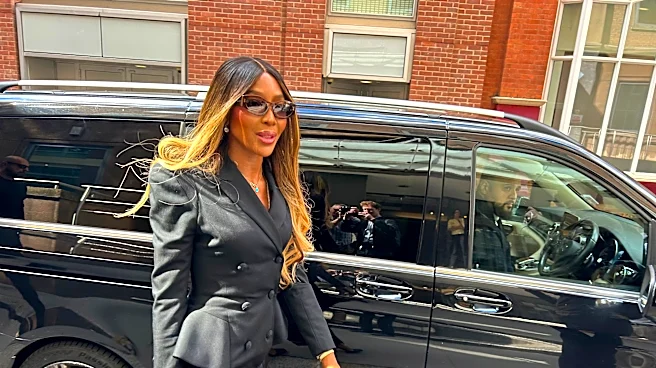
it’s less a sporting event and more a rigid, five-day festival of tradition. While the thoroughbreds are the official main attraction, the unofficial one is the fashion. It’s a high-stakes catwalk where looking the part isn’t just encouraged; it’s policed by a meticulously detailed dress code, and this is precisely where heritage brands find their annual lifeline.
The Power of the Dress Code
The secret to Ascot’s commercial power lies in its strict sartorial rules, especially within the prestigious Royal Enclosure. Gentlemen are required to wear a full morning suit—a black or grey tailcoat, waistcoat, and striped trousers—topped with a classic top hat. Ladies must wear dresses of a “modest length” with straps of a certain width, and, most famously, a hat or a headpiece with a substantial base. These aren’t suggestions; they’re mandates. This rulebook effectively creates a captive market for a style of clothing that has very few other outings in modern life. You can’t just show up in a nice business suit. You need *the* outfit, and that outfit is the specialty of a handful of long-standing British companies.
The Hatmakers and Tailors
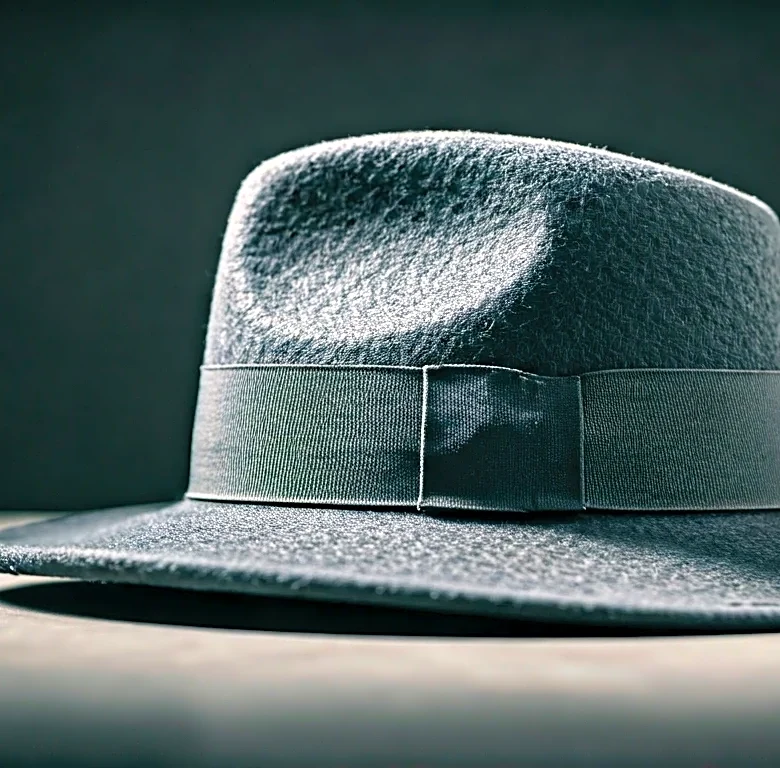
For milliners, Royal Ascot is the Super Bowl. Brands like Lock & Co. Hatters, which has been in business since 1676 and is credited with inventing the bowler hat, see a massive surge in demand. The same goes for celebrated modern designers like Philip Treacy and Stephen Jones, whose sculptural creations become the event’s primary visual signature. Their work is photographed and broadcast globally, providing priceless marketing that reinforces their status.
Similarly, the men’s morning dress requirement is a direct injection of business for the tailors of Savile Row and formalwear specialists like Favourbrook. These brands are custodians of a near-obsolete form of menswear. Without events like Ascot and a few high-society weddings, the demand for morning suits would virtually disappear. The event provides a crucial reason for their craft to not only survive but thrive, reminding a new generation of what British bespoke tailoring represents.
A Stage for the Total Look
The ecosystem extends far beyond hats and coats. Luxury footwear brands, heritage jewelers like Garrard (the first official Crown Jeweller), and high-end dress designers all rely on the Ascot season. The event creates a powerful narrative: to participate in this pinnacle of British society, one must be outfitted by the brands that define British luxury. The association is symbiotic. A brand’s presence at Ascot validates its heritage and quality, while the collective finery of the attendees upholds the event’s glamorous reputation.
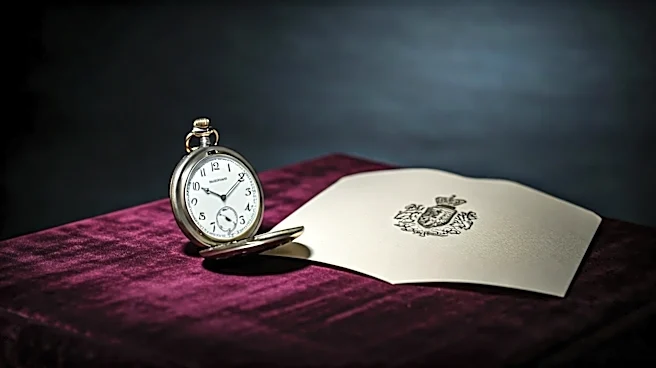
In recent years, Ascot has formalized these relationships, creating official partnerships with brands like Longines, the Swiss watchmaker, which serves as the Official Timekeeper. This allows companies to align themselves directly with the event’s prestige, moving from being simply worn by attendees to being an integral part of the institution itself.