





The Fantasy of Absolute Freedom
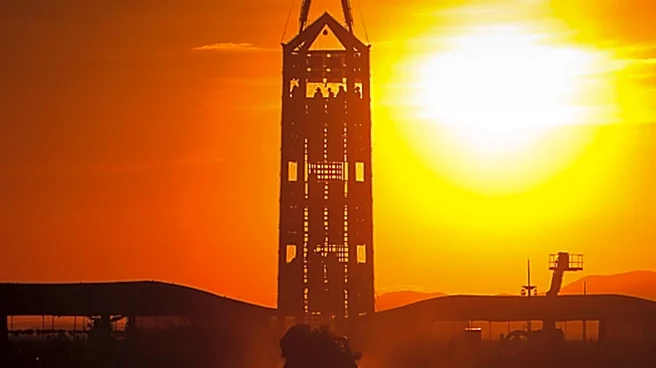
Burning Man’s entire ethos is built on a foundation of ten principles, including radical inclusion, gifting, and, most visibly, radical self-expression. This last one paints a picture of Black Rock City as a judgment-free canvas where every individual’s
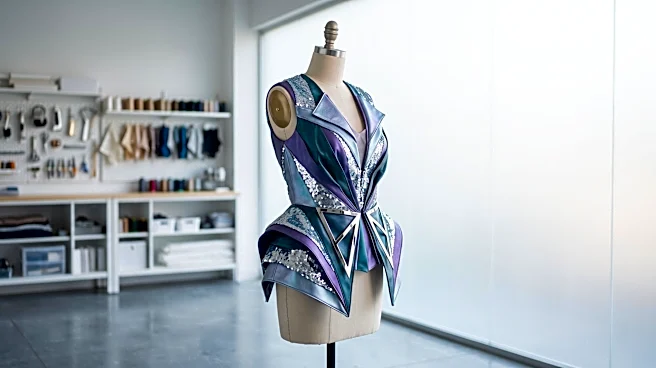
unique gifts can be shared. The result is a visual feast that has become globally recognized: cyberpunk warriors, desert goddesses, steampunk mechanics, and neon creatures roaming a vast, dusty expanse. The fashion feels like a joyful rejection of the mundane world and its rules. It’s a place where you can be anyone or anything, draped in faux fur, LEDs, and little else. This narrative suggests that the styles seen on the playa are born from pure, unadulterated imagination. But it’s only half the story.
The Harsh Reality of the Playa
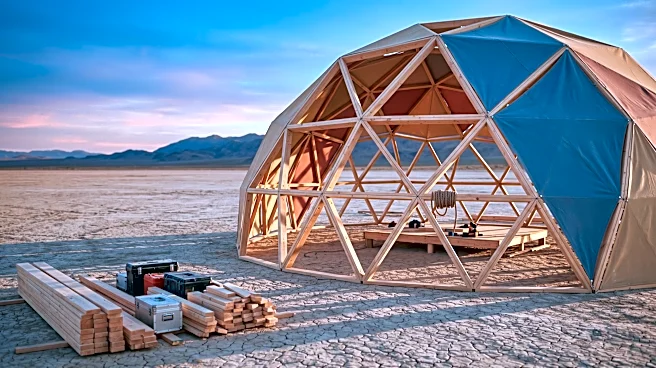
The other half of the story is the environment itself. Black Rock City is a temporary metropolis built in one of North America’s most inhospitable locations. We're talking about a dry lakebed where corrosive, alkaline dust gets into everything. Temperatures can swing wildly from over 100°F during the day to near-freezing at night. There is no running water, no vendors, and no garbage collection. The principles of “radical self-reliance” and “leaving no trace” mean you must bring every drop of water you need for drinking, cooking, and cleaning, and you must pack out every single thing you bring in. In this context, survival isn't just a theme; it's a practical, hour-by-hour challenge. Forget fantasy—this is a masterclass in logistics.
When Necessity Becomes an Aesthetic
This is where the headline’s claim clicks into place. Look closely at the most iconic elements of “Burner beauty,” and you’ll find that nearly all of them are brilliant solutions to the desert’s many problems. Those ubiquitous, military-style goggles and face masks? They aren't just for a Mad Max look; they're essential protection against sudden, blinding dust storms. The heavy, chunky platform boots that everyone seems to wear are the only sensible footwear for traversing the hard, cracked, and uneven playa surface for miles on end; open-toed shoes are a recipe for a painful condition known as “playa foot.” Even the makeup choices are strategic. Intricate, foundation-heavy looks would melt, smudge, and require precious water to remove. Instead, you see bold, expressive gestures that work with the dust: smears of biodegradable glitter, chunky gems glued to the skin, and dramatic body paint that doesn’t need to be perfect. Wigs and elaborate headpieces become a practical way to have fantastic hair without a single wash, as natural hair quickly turns into a dusty, tangled mess. It’s all a form of creative problem-solving.
The Genius of the Reframe
The true genius of Burner culture is its ability to take these limitations and rebrand them as liberating acts of creativity. The dust that coats everything isn't seen as a nuisance but as part of the patina. The need for practical, durable gear is an invitation to modify and embellish it until it becomes a piece of art. The constraints don’t stifle self-expression; they give it a direction and a purpose. This isn’t a disguise in a deceptive sense. Rather, it’s a cultural alchemy where the mundane requirements of survival are transformed into the extraordinary. The most radical act of self-expression at Burning Man isn't just wearing a wild outfit. It’s the ingenuity shown in making that outfit functional, comfortable, and sustainable in an environment that works against you at every turn. The resource management isn't hidden by the self-expression; it is the self-expression.