


The Power of the Blank Slate
Think of the classic fashion show: a stark, white runway in a cavernous, empty warehouse. It’s a trope for a reason. By stripping away all distractions, designers who opt for this minimalist setting are making a powerful statement. This approach, seen
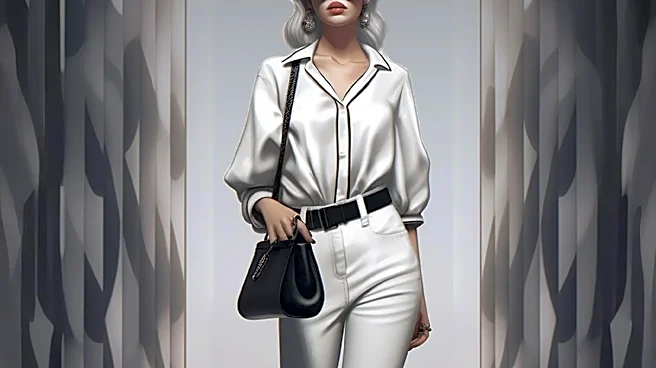
time and again from brands like Calvin Klein, whose legacy is built on reduction, forces your attention squarely onto the clothes themselves. The starkness creates a gallery-like atmosphere, suggesting that the garments are not just clothes, but pieces of art. The message is one of modernity, purity, and confidence. There’s nothing to hide behind—no theatrical set, no gimmicks. The designer is betting that the tailoring, the silhouette, and the fabric are compelling enough to hold a room captive without any help. It’s a quiet flex, and the emotion it evokes is one of focus and reverence for the craft.
Building a Theatrical World
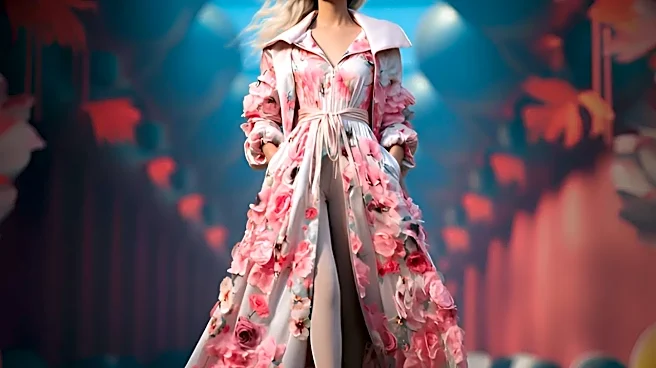
On the opposite end of the spectrum are the shows that transport you to another world entirely. This season, Tory Burch is set to present her collection at the Isamu Noguchi Sunken Garden, a serene and sculptural outdoor space. In past seasons, designers have built elaborate sets resembling everything from a bustling French market to a post-apocalyptic landscape. These immersive experiences are about storytelling. The context gives the clothes a narrative, transforming a simple dress into the uniform of a specific character or moment in time. When a collection is shown in a space designed to look like a glamorous 1970s nightclub, the sequins and silks feel more decadent and alive. Likewise, when Khaite holds its show in a vast, cinematic warehouse space in Brooklyn, it imbues the collection with an air of industrial cool and dramatic scale before a single look is seen. This approach doesn't just show you clothes; it invites you into a fantasy, making the emotional connection to the collection deeper and more memorable.
The Appeal of Intimacy
Not every show aims for a cast of thousands. A growing trend at NYFW is the return to smaller, more intimate presentations, reminiscent of the old-school couture salons of Paris. These events, often held in elegant townhouses, art galleries, or even the designer’s own studio, change the dynamic entirely. Instead of being a distant spectator, the guest becomes a privileged confidant. You can see the intricate beadwork, the texture of the fabric, and the way the clothes move up close. This proximity fosters a sense of exclusivity and a personal connection to the craftsmanship. It shifts the emotional response from awe and spectacle to appreciation and desire. The feeling is less about being part of a massive cultural moment and more about being let in on a beautiful secret, making the luxury feel more personal and attainable, even if only for an evening.
Fashion in the Wild
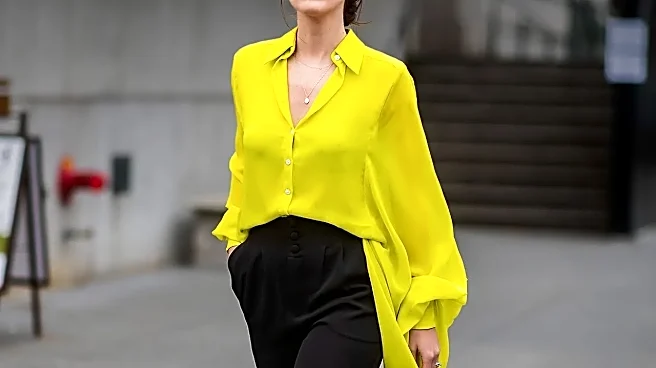
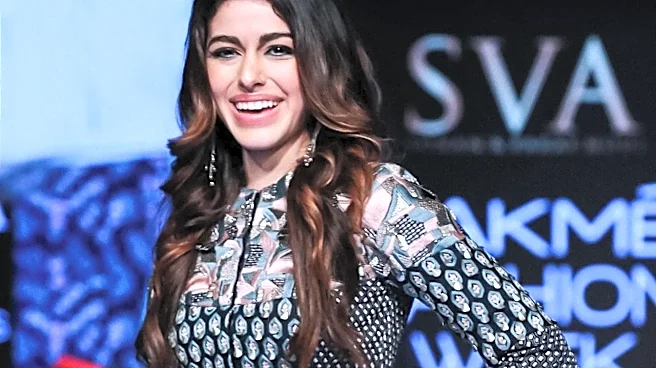
Some of the most talked-about shows are those that break out of traditional venues and spill into the city itself. We’ve seen runways staged in the New York Public Library, on closed-off city streets, and even in Grand Central Terminal. This strategy of staging a show in a public, non-fashion space is a deliberate disruption. It yanks fashion out of its rarified bubble and places it directly into the context of real life. Suddenly, a couture gown isn't just for a red carpet; it’s gliding past the same yellow cabs and hot dog stands that define the city. This juxtaposition creates a powerful tension. It can make the clothes feel more relevant and wearable, grounding fantastical designs in a relatable reality. It’s also a spectacle, turning everyday citizens into an unwitting audience and generating buzz that a private show never could. The emotion here is one of surprise and accessibility, blurring the lines between the runway and the real world.