



Understanding Quiet Luxury: The Whisper of Wealth
Think of quiet luxury as the unofficial uniform of the 1%. Popularized by shows like HBO’s *Succession*, this aesthetic is defined by what it lacks: logos, overt branding, and trend-driven silhouettes. Instead, it communicates status through exceptionally
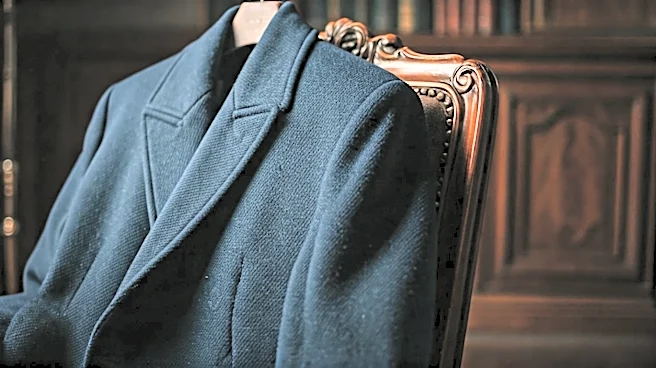
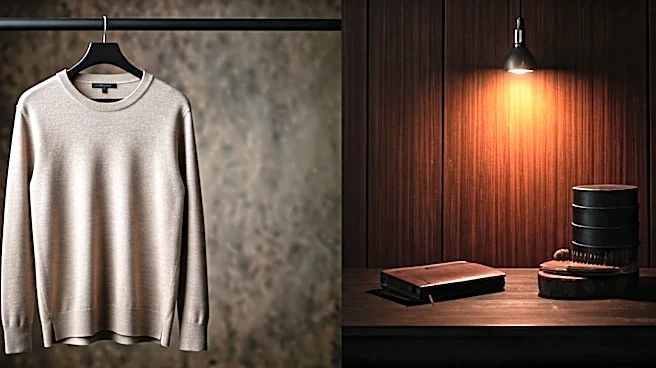
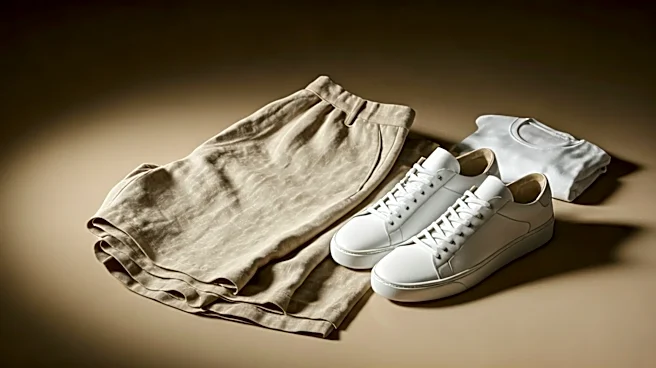
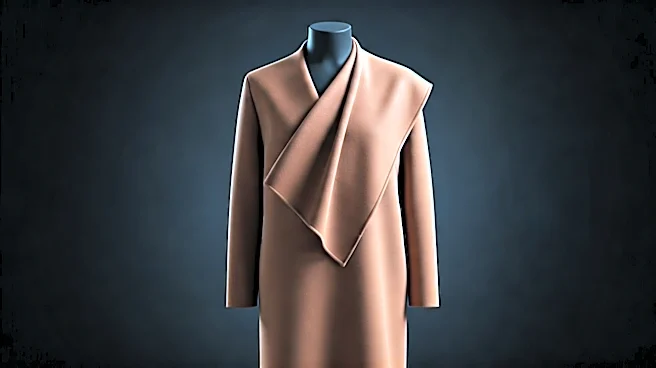
high-quality materials, perfect tailoring, and a muted, neutral color palette. It’s a $2,000 cashmere sweater that looks like a simple gray crewneck, a $10,000 coat with no discernible label, and a baseball cap that, upon closer inspection, is made of vicuña wool. The philosophy here is one of deliberate anonymity. The clothes are so expensive and well-made that they don't need a brand name to announce their value. It’s a form of insider signaling—if you know, you know. Brands like The Row, Loro Piana, and Brunello Cucinelli are the standard-bearers. The overall effect is minimalist, clean, and almost severe in its simplicity. It’s less about personal expression and more about projecting a specific kind of untouchable, post-wealth power.
Decoding Milanese Restraint: The Art of Sprezzatura
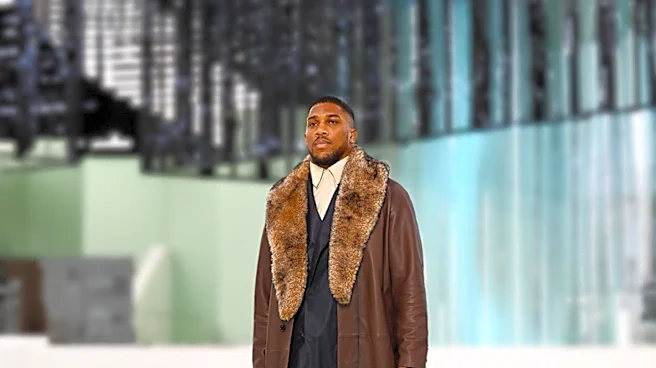
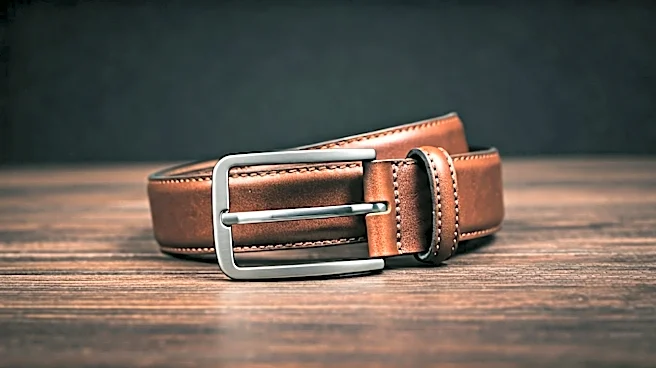
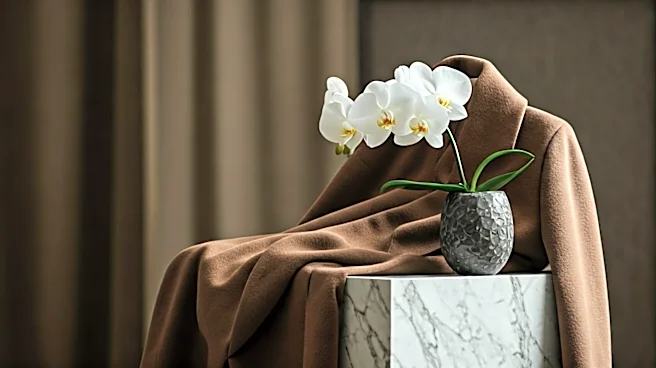
Milanese restraint, on the other hand, is a cultural approach to style rooted in a specific Italian sensibility. It’s less about hiding wealth and more about mastering the art of dressing well. The key concept here is *sprezzatura*—a term that translates to a kind of studied carelessness or nonchalant elegance. It’s the appearance of being impeccably dressed without looking like you tried too hard. This style is built on a foundation of superb tailoring, particularly soft-shouldered jackets and perfectly draped trousers. However, unlike the strict minimalism of quiet luxury, Milanese style embraces a richer, more personal palette. Think deep olives, rich burgundies, earthy browns, and every shade of blue imaginable. Texture and subtle patterns play a major role. It’s not afraid of a well-chosen accessory, like a vintage watch, a silk pocket square, or a pair of beautifully crafted suede loafers. It’s a style that feels lived-in, confident, and deeply personal. It’s less about brand anonymity and more about individual taste.
Key Difference 1: Philosophy and Intent
The fundamental difference lies in the 'why.' Quiet luxury is a reactive statement against logomania; its primary goal is to signal wealth discreetly in a global context. It’s a conscious choice to be understated. Milanese restraint isn’t a reaction to anything; it’s a proactive, long-standing tradition of dressing. Its goal isn't to hide wealth but to express a mastery of classic style. A Milanese man might wear a Gucci horsebit loafer—a branded item—but he’ll do it with such nonchalance that the brand feels incidental to his overall look.
Key Difference 2: Color and Personality
This is the most visible distinction. Quiet luxury sticks to a strict diet of neutrals: beige, ivory, gray, navy, and black. It’s a palette designed to be timeless and unobtrusive. Milanese style, while still restrained, is far more comfortable with color. It uses a sophisticated, earthy spectrum that adds warmth and personality. This is where individual expression comes to the forefront. While a quiet luxury wardrobe can feel like a uniform, a Milanese wardrobe feels like a personal collection curated over time.
Key Difference 3: The Attitude
Ultimately, it comes down to attitude. Quiet luxury can feel a bit sterile and untouchable, projecting an aura of serious, corporate-adjacent power. It’s the clothing of a private equity titan on their day off. Milanese restraint is warmer, more approachable, and infused with a palpable joy in the act of getting dressed. It’s the style of someone who appreciates craftsmanship and beauty for their own sake, not just for the status they confer. It’s confidence versus concealment. One is about looking powerful; the other is about feeling good in what you wear.