







The Myth of the Starting Lineup
That pre-game formation chart is a ghost. It’s a snapshot of a moment that never truly exists. The second the whistle blows, the neat rows of defenders, midfielders, and forwards dissolve into a fluid, ever-changing dance. Legendary manager Pep Guardiola
famously dismissed formations as just “phone numbers”—a shorthand that reveals almost nothing about what’s actually going to happen. He’s right. Thinking of a player as just a “left back” or a “striker” is like describing a chess piece without explaining how it moves. The player’s listed position is a suggestion, not a job description. Their real role is defined by the team’s overall shape and strategy, which shifts constantly depending on whether they have the ball, where they are on the field, and what the opponent is doing.
Positions are Nouns, Shapes are Verbs
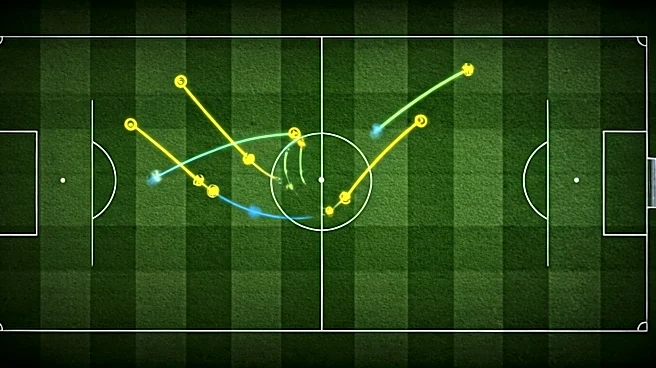
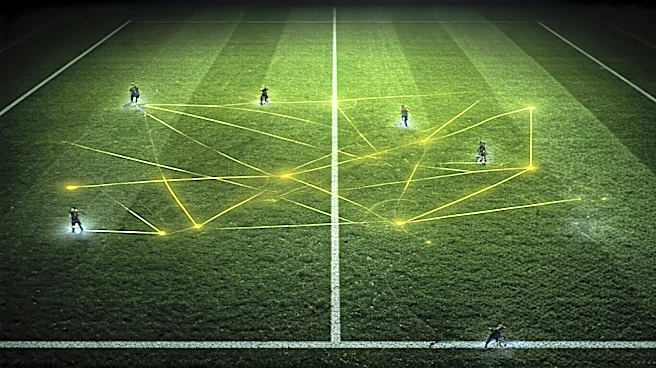
The best way to get smart about soccer is to stop focusing on positions and start seeing shapes. A position is a noun—a static label. A shape is a verb—it’s what the team does. A formation like a 4-4-2 is the basic blueprint, but the team's shape is how that blueprint comes to life. When a team attacks, its shape might morph into a 2-3-5, with fullbacks pushing high and wide to join the offense. When it loses the ball, that shape might instantly compress into a tight, defensive 4-5-1 to deny space. A coach’s primary job is to teach players how to morph between these shapes seamlessly. The goal isn’t to stay in your designated zone; it’s to help the team maintain the correct attacking or defensive geometry at all times. This collective movement is what separates highly organized teams from a group of talented individuals.
How Tactical Shapes Win Matches
So why does this matter? Because creating and exploiting space is the essence of soccer, and shapes are the tool for doing it. A team playing a 3-5-2, for instance, is designed to have five players in midfield. If they play against a team using a classic 4-4-2 with only four midfielders, they create a natural “overload,” or a numerical advantage in the most important area of the pitch. This makes it easier to keep possession and dictate the game’s tempo. Similarly, a 4-3-3 formation with three high-pressing forwards is designed to disrupt the opponent’s ability to build attacks from their defense. The shape isn’t just about organization; it’s a weapon. It's how a manager imposes their will on the game, putting players in positions to succeed before the ball is even passed.
The Rise of the 'Positionless' Player
The final proof that shapes trump positions lies in the evolution of modern player roles. Today’s most innovative tactics rely on players who defy traditional labels. The “False 9” looks like a striker on paper but spends the game dropping deep into the midfield, dragging defenders out of position and creating chaos. An “inverted winger” starts wide but their main function is to cut inside to shoot or pass, effectively becoming an extra attacker in the center. And in a three-defender system, the “wing-back” is a hybrid role that demands a player be both a wide defender and a wide attacker, covering the entire length of the field. These roles don't fit neatly on a lineup graphic, but they are the engine of modern soccer. They are defined entirely by their function within the team’s dynamic shape.