
The Ghost of Parties Past
First, let's get the definition straight. The original Indie Sleaze, roughly thriving from 2006 to 2012, wasn't a hashtag; it was a lifestyle. It was the sonic fusion of rock's grit and electronic music's
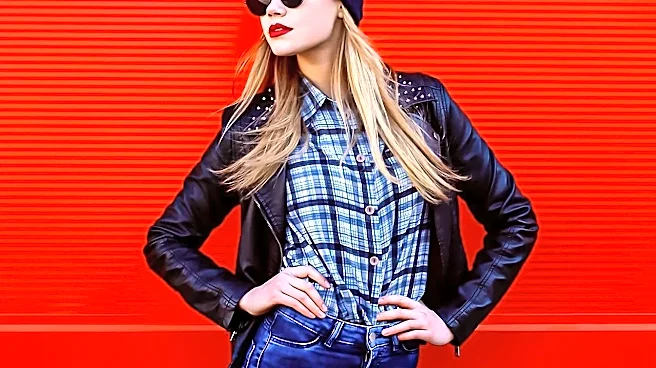
pulse, soundtracked by bands like The Strokes, Yeah Yeah Yeahs, and LCD Soundsystem. The fashion was a messy, maximalist, and performatively vintage collage of skinny jeans, leather jackets, thrifted band tees, and anything from American Apparel. The photography, captured on disposable cameras and early digital point-and-shoots, was high-flash, grainy, and unflattering in a way that felt authentic. It was a culture of hedonism born from cheap gigs, warehouse parties, and early, unfiltered social media platforms like MySpace and Tumblr, all reacting against the polished perfection of mainstream pop culture. The 'sleaze' was real: a lived-in grubbiness that came from late nights, crowded clubs, and a general rejection of trying too hard.
The Sanitized Revival That Almost Was
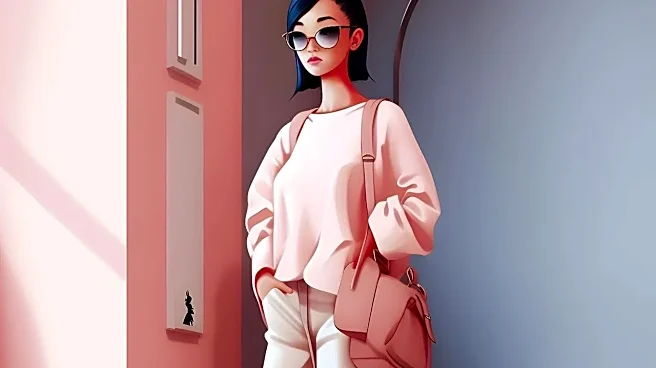
When trend forecasters first began predicting the comeback around 2021, the aesthetic faced a major hurdle: the perfectly curated world of Instagram. The initial revival bubbling up was a much cleaner, more palatable version of its former self. Think less chaotic spontaneity and more 'polished chaos.' The first wave of the revival looked like an Instagram mood board: carefully smudged eyeliner, deliberately draped leather jackets, and vintage pieces styled with contemporary awareness. It was Indie Sleaze filtered through a decade of influencer culture and the hyper-perfectionism of the 'Clean Girl' aesthetic that dominated the early 2020s. This version was less about the lived experience and more about the visual signifiers—a costume of rebellion without the actual mess. It was poised to be just another -core trend, easily digestible and shoppable, stripped of its original sweaty, anarchic soul.
TikTok Rewrites the Rules
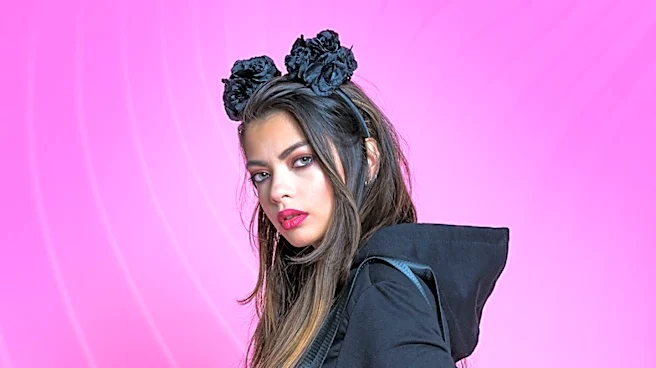
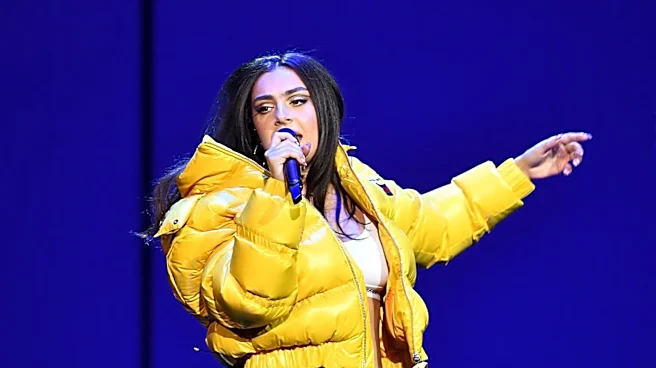
But then, the TikTok algorithm intervened. Unlike Instagram's glossy feed, TikTok's For You Page thrives on a certain level of raw, unedited energy. The platform became the perfect incubator for the true spirit of Indie Sleaze to re-emerge. Users started posting grainy video clips, lo-fi party recaps, and get-ready-with-me videos that embraced imperfection. The raw, amateur-style flash photography that defined the original era was perfectly suited for short-form video. This digital environment provided an antidote to the commercialized, influencer-dominated space of Instagram. Artists like The Dare and Charli XCX became the new faces of the movement, their music providing the soundtrack for a new party era that felt more spontaneous and less staged. The trend's resurgence on TikTok proved that audiences were hungry for something less manufactured, a vibe shift away from perfection that polls showed was resonating deeply with Gen Z.
Sleaze, but Make It Self-Aware
Still, this isn't a simple copy-paste of 2008. The 2020s revival is fundamentally different because it's self-aware. The term 'Indie Sleaze' itself is a retroactive label, coined in 2021 to categorize a scene that never named itself. This revival is being led by a generation that is interpreting the era through archival photos and online folklore, rather than direct memory. It also arrives with a modern conscience. The problematic elements of the original scene—the glorification of extreme thinness, the often-white-centered hipster culture, and the darker 'heroin chic' undertones—are being actively discussed and filtered out. Today's take on the aesthetic aims to be more inclusive of diverse body types and champions self-expression without the toxic baggage. It's Indie Sleaze with a touch of wellness: the party is still on, but maybe you're drinking water between sets and leaving before things get too messy. It’s rebellion, but with boundaries.