
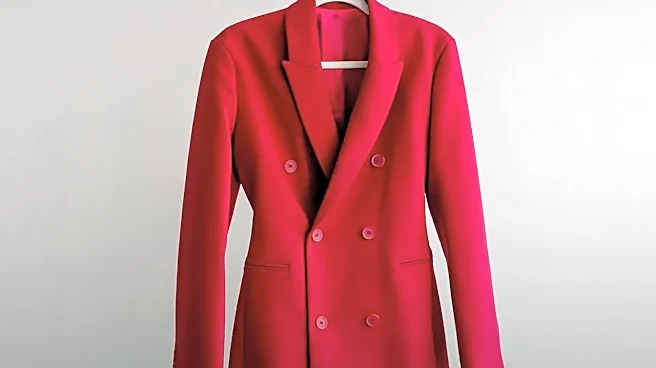
Why Texture is Your Secret Weapon
A monochromatic outfit, built from a single color family, is powerful because it creates an unbroken visual line that elongates the silhouette. It’s a simple concept that projects confidence. However, when all the fabrics in your outfit have the same
surface quality—all smooth cotton, for instance—the look can become one-dimensional. Texture does the work that color contrast usually does: it creates depth, dimension, and visual interest. It’s the difference between an outfit that’s simply matched and one that feels intentionally curated and luxurious. By mixing different materials, you invite the eye to travel across the outfit, appreciating the subtle interplay of surfaces.
Building Your Texture Vocabulary
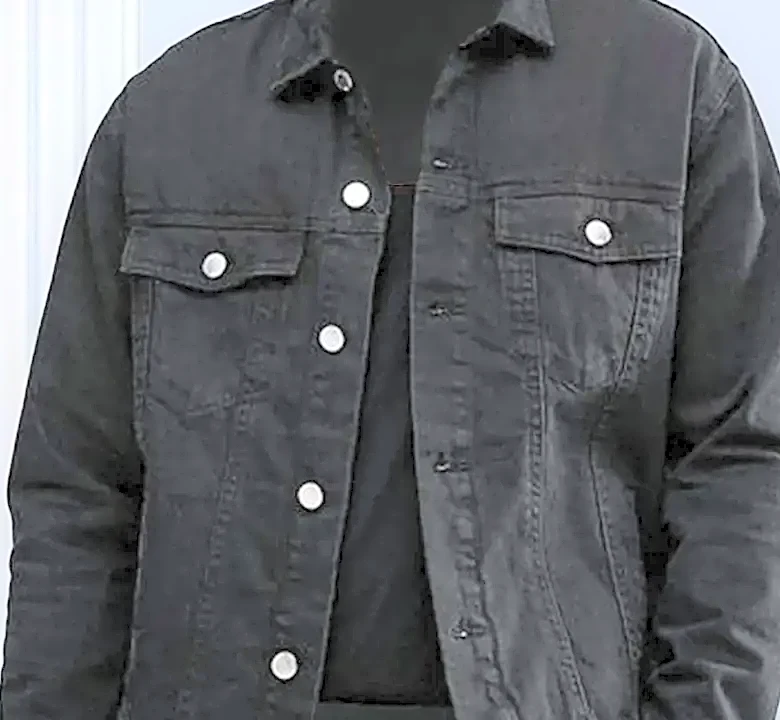
To master monochrome, it helps to think about fabrics in terms of their tactile qualities. Group them into contrasting categories. On one end, you have smooth, fluid, or shiny textures like silk, satin, and patent leather. On the other, you have materials with a more pronounced, touchable surface: think chunky knits, rugged denim, rich wool, tweed, and suede. Then there are structured materials like leather and denim that hold their shape, versus soft ones like cashmere and fine-gauge knits that drape. Recognizing these differences is the first step. For example, leather has a high sheen and dense surface, placing it at one extreme, making it a powerful tool for creating contrast.
The Art of the Perfect Pairing
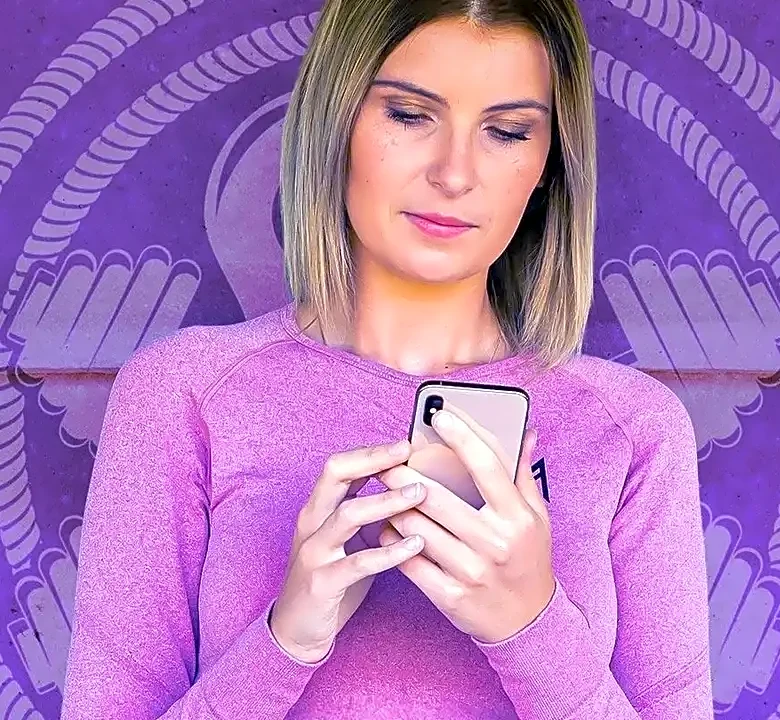
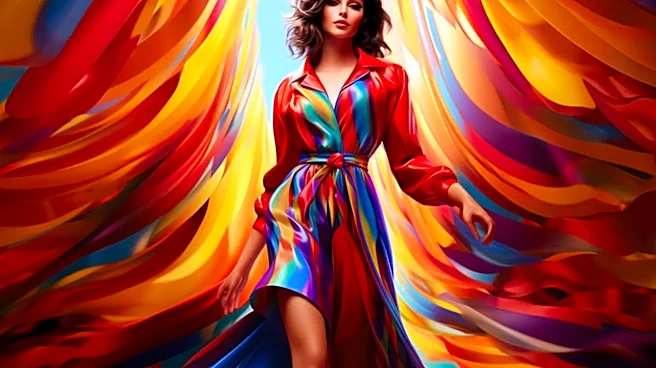
The key to a dynamic monochrome look is combining textures that complement each other through contrast. The goal is balance. A foolproof formula is to pair a “hard” texture with a “soft” one. Imagine a pair of sleek black leather trousers with a cozy, oversized black cashmere sweater. The hardness of the leather is softened by the plush knit, creating a look that’s both edgy and approachable. Another effective strategy is to mix shiny and matte finishes. A glossy silk camisole tucked into matte wool trousers, for instance, creates a sophisticated contrast that feels both modern and timeless. Even subtle differences, like a ribbed knit top paired with smooth cotton pants, can add the necessary depth.
It’s Not Just About Clothes
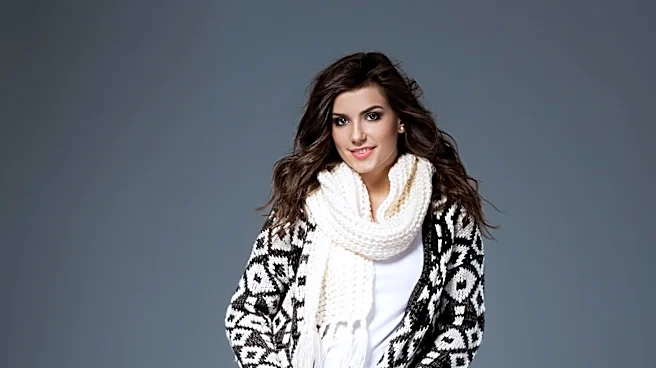
Texture isn’t limited to your largest clothing items. Accessories are a crucial and often easier way to introduce textural variety into a single-color outfit. A woven leather bag, a pair of suede boots, a croc-embossed belt, or a silk scarf can provide the perfect counterpoint to your look. If you're wearing an all-black ensemble of a cotton dress and a wool coat, black patent leather shoes can provide a punctuation mark of shine. A chunky knit scarf can add a touch of cozy texture to a sleek, all-gray suit. Think of these accessories as the finishing touches that complete the textural story of your outfit.
Three Monochrome Looks to Try
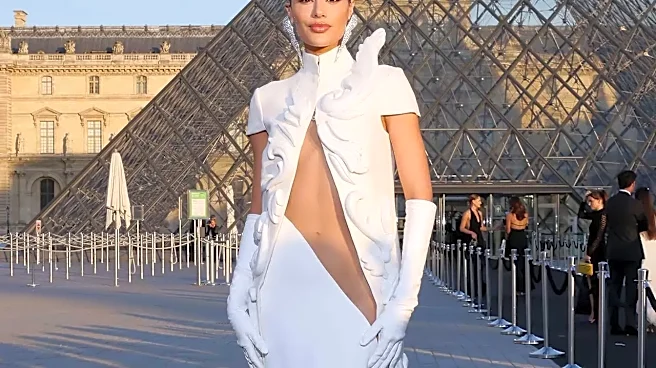
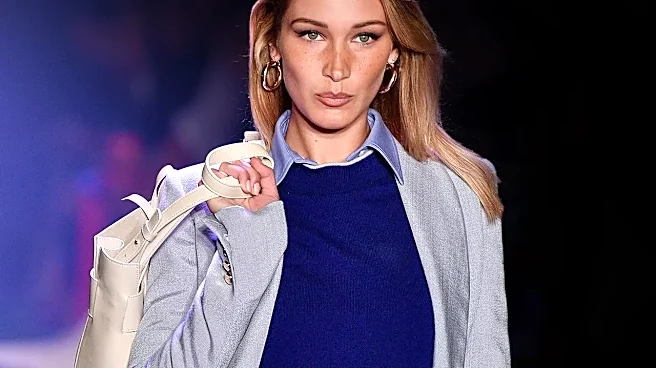
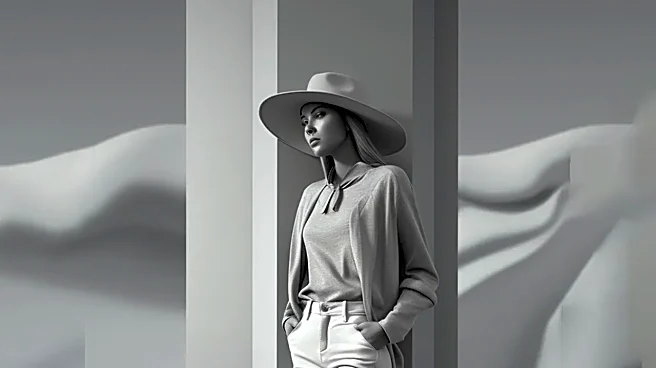
To put it all into practice, here are a few ideas. For an all-white look, try pairing white denim jeans (a rugged texture) with a delicate silk blouse (a smooth texture) and a chunky cream-colored cardigan (a soft, nubby texture). For a professional setting, a navy blue outfit could consist of tailored wool trousers, a fine-knit turtleneck in a similar shade, and a structured blazer. And for a classic all-black look, combine leather-look leggings with an oversized cotton shirt and top it with a long wool coat, playing with structure, sheen, and matte surfaces for a result that is anything but boring.