





It's the Financial Anchor
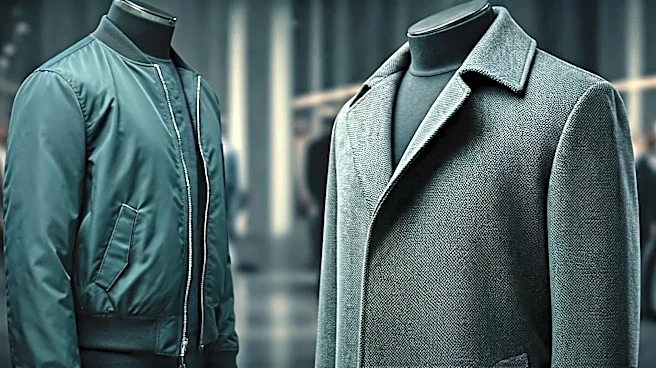
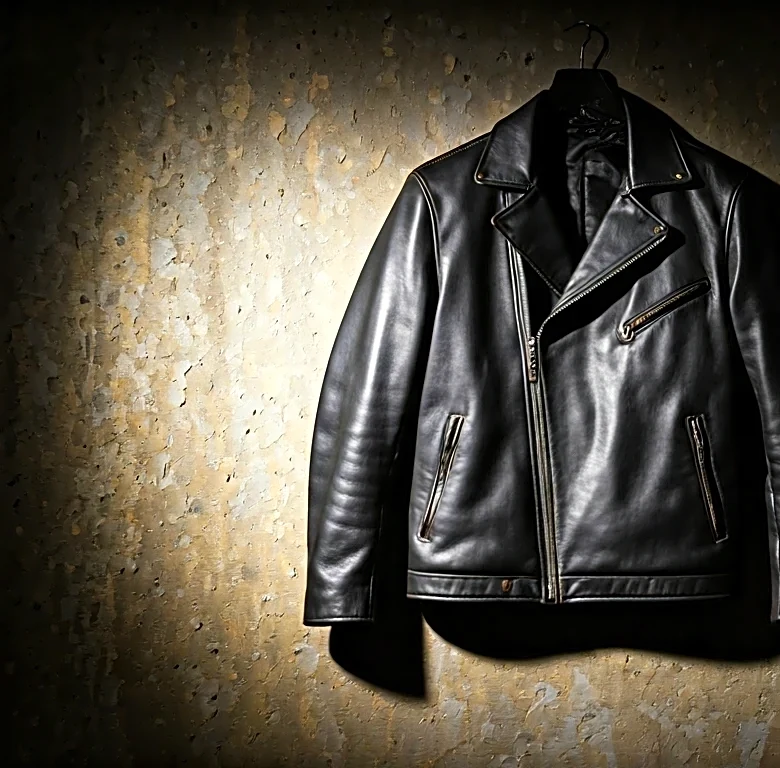
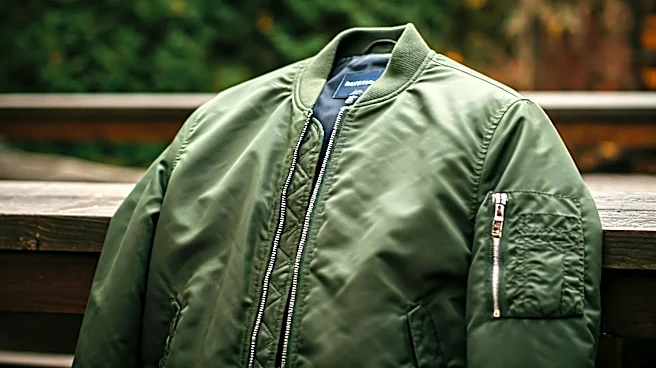
In the world of retail, not all garments are created equal. Outerwear—from technical parkas to classic wool overcoats—carries the highest average price tag in a menswear collection. For a department store or boutique buyer, this makes it the single biggest
investment. A successful outerwear buy can anchor the profitability of an entire season, while a misstep can lead to deep, margin-crushing markdowns. Buyers prioritize these big-ticket items to secure their budget's cornerstone. They need to know how much capital will be tied up in these expensive pieces before they can allocate the rest to shirts, knitwear, and trousers. It’s a simple but brutal economic calculation: get the coats right, and the rest of the puzzle becomes much easier to solve.
Outerwear Sets the Season’s Tone
Beyond the balance sheet, the statement coat is a powerful narrative device. It’s often the piece that most clearly communicates a designer’s vision for the season. Is the mood rugged and utilitarian, or sleek and architectural? Is the silhouette oversized and dramatic, or sharp and tailored? The answers are usually found in the outerwear. A collection’s key fabrics, color palette, and overall attitude are frequently established by its coats and jackets. For buyers, locking in their outerwear selection provides a creative filter through which they can evaluate the rest of the collection. It gives them a clear direction, ensuring the T-shirts, sweaters, and pants they choose will build a cohesive, marketable story on the shop floor.
The Long, Complicated Supply Chain
You can’t just whip up a high-quality coat. Unlike a simple cotton t-shirt, outerwear involves a complex and lengthy production process. Sourcing specialized materials like waterproof technical fabrics, fine cashmere, or shearling takes time. The construction itself is more intricate, often requiring skilled factories and multiple stages of assembly, from quilting insulation to seam-sealing. This means outerwear has the longest lead time of any product category. Brands need to get their orders from retailers as early as possible to kickstart this slow-moving manufacturing cycle. Buyers know this. They prioritize outerwear appointments to ensure they can secure the most desirable pieces before production capacity is maxed out and to guarantee the coats will actually arrive in-store in time for the first cold snap, which is a critical sales window.
It Reflects the Consumer's First Big Buy
Ultimately, a buyer’s strategy is a reflection of the end customer’s behavior. For many men, the first significant purchase for the fall/winter season is a new coat. It’s a considered purchase, one that’s expected to last several years and work with the rest of their wardrobe. A great coat isn’t just a fashion item; it’s a piece of essential gear. Buyers are keenly aware of this mindset. They focus on outerwear first because they know it’s what their most valuable customers are looking for. It’s also a powerful tool for visual merchandising, both online and in-store. A compelling display of coats is one of the most effective ways to signal the arrival of a new season and draw shoppers in, setting the stage for all subsequent purchases.