


The Sculptural Silhouette
The 1960s marked a pivot from the ornate, floral-heavy hats of the '50s toward something more architectural. Couturiers like Cristóbal Balenciaga and Hubert de Givenchy treated hats not as accessories, but as integral pieces of sculptural art. They favored
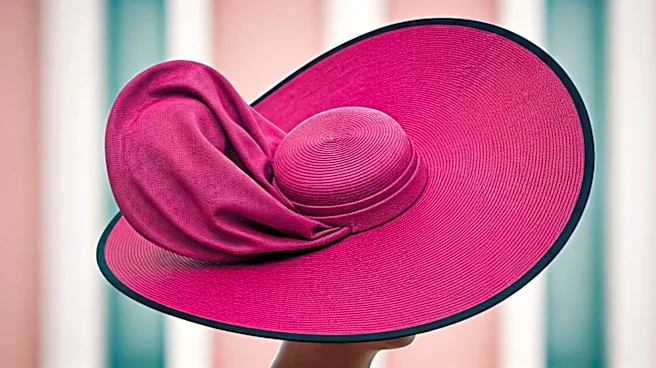
clean lines, dramatic volume, and stark, simplified forms that framed the face. We're seeing this principle revived at Ascot today. Instead of a riot of embellishments, the most forward-looking designs rely on their shape for impact. Think of wide, sweeping brims with a single, sharp fold, or asymmetrical creations that play with negative space. These hats aren't just decorated; they are designed, echoing the mid-century belief that form itself is the ultimate statement.
The Reimagined Pillbox
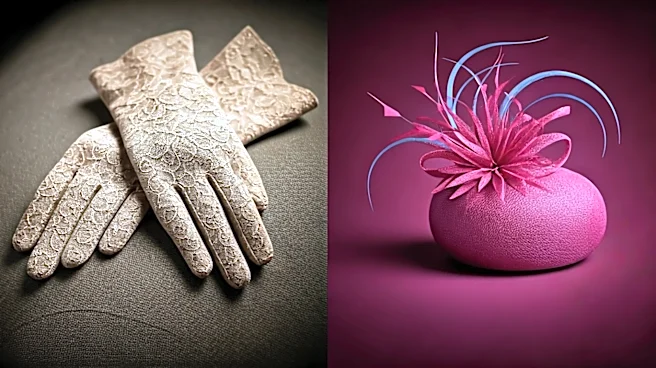
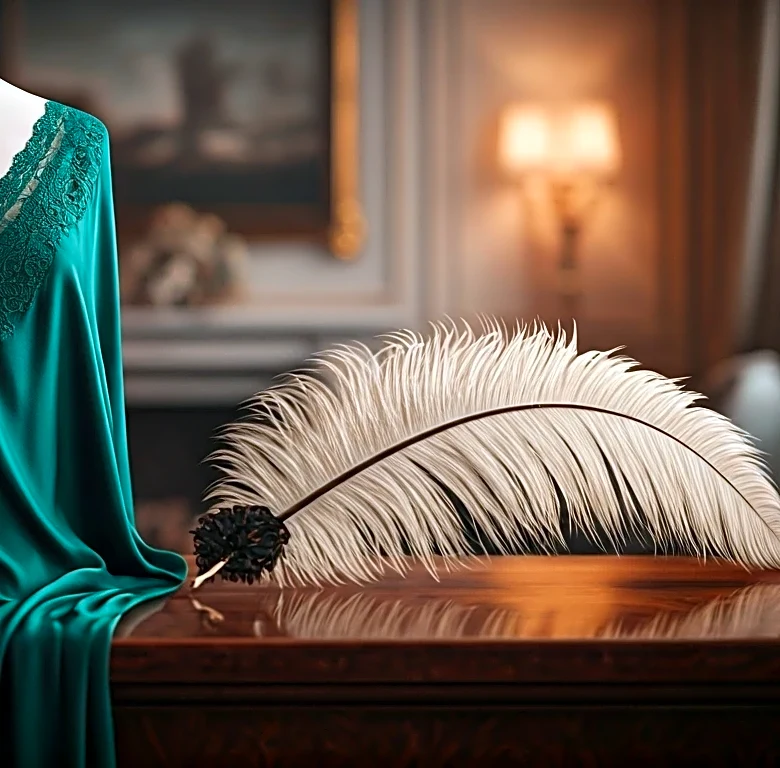
No hat is more synonymous with the 1960s than the pillbox, forever immortalized by First Lady Jacqueline Kennedy. It was a symbol of modern, unfussy elegance. Originally a simple, structured cylinder, the pillbox was the height of chic, often worn tilted back on the head. Today's milliners are not simply copying it; they are deconstructing and reimagining it. We see pillbox bases used as a foundation for a single, dramatic feather quill or a swirl of structured fabric. Some are taller, more elliptical, or crafted from unexpected materials like polished straw or high-gloss sinamay. It’s a nod to the iconic shape, but updated for a contemporary audience that appreciates both history and novelty.
Monochromatic Coordination
One of the most disciplined style codes of the 1960s was the art of monochromatic dressing. A look was often built around a single, saturated color, from the dress to the coat, gloves, and, most importantly, the hat. This “head-to-toe” color matching created a powerful, graphic effect that was both bold and incredibly polished. This exact technique is a clear throughline at modern-day Ascot. Royals and racegoers alike are embracing the impact of a single-hue ensemble. A cobalt blue dress is paired with a perfectly matched cobalt hat; a soft lemon yellow coat is topped with a coordinating fascinator. This isn't a lazy choice but a deliberate one, borrowing from the '60s playbook to project an aura of intentional, streamlined sophistication.
A Touch of the Space Age
The '60s were defined by an obsession with the future, and fashion was no exception. Designers like André Courrèges and Pierre Cardin pioneered the “Space Age” look, characterized by futuristic materials, geometric shapes, and a stark, clean palette. This influence is subtly appearing in Ascot millinery. We can see it in the use of high-shine fabrics that mimic the plastics and vinyls of the era. It’s there in the crisp, circular cutouts and helmet-like cloches that recall Courrèges' iconic designs. While today's hats aren't made of PVC, they capture that same spirit of forward-thinking minimalism and graphic purity, proving that the '60s vision of the future still feels remarkably fresh.