

A Brand in Need of a Reset
To understand Christopher Bailey’s evolution, you first have to understand the Burberry he inherited in 2001. The brand, famous for its iconic trench coat, was in a tough spot. Its signature check pattern, once a symbol of British luxury, had been over-licensed
and widely co-opted, losing its exclusive appeal. After being famously photographed on a British soap star from head to toe in the check, luxury department stores reportedly began pulling the brand from their windows. Burberry wasn't just dated; it was in danger of becoming a caricature of itself. The challenge for the incoming designer wasn't to reinvent the wheel, but to remind people why the wheel was so great in the first place.
The First Act: A Return to Roots
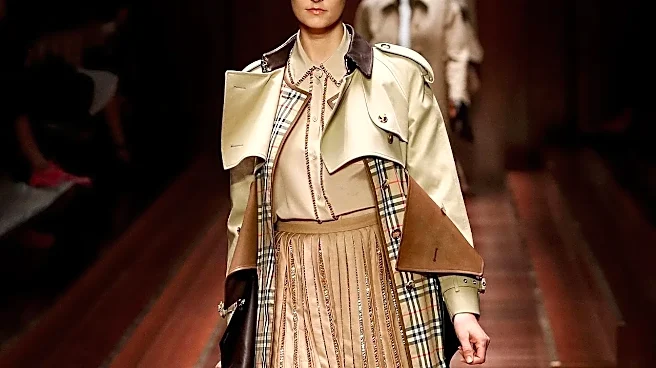
Bailey’s first collections were an exercise in disciplined restraint. Instead of splashy new logos or radical silhouettes, he focused on the house’s foundation: the trench coat. He streamlined its shape, upgraded the fabrics, and re-established it as a covetable, modern classic. His early shows were defined by a serene color palette and an unflashy aesthetic that aimed to restore the brand's high-class image. He intentionally pulled back on the ubiquitous check, using it sparingly to let the quality of the tailoring and materials speak for themselves. This wasn't the work of a designer trying to make a name for himself with shocking newness. It was the careful, strategic work of a restorer, patiently polishing a tarnished legacy and re-establishing Burberry as a purveyor of timeless British quality.
The Second Act: Building a Digital Powerhouse
Once the brand's luxury credibility was restored, Bailey began his second, more revolutionary act. He understood earlier than most of his competitors that the future of fashion was digital. Under his leadership, Burberry became a pioneer, livestreaming its runway shows and creating a website that felt as immersive as a flagship store. He famously declared that Burberry was as much a media-content company as a design company. This shift in strategy coincided with an evolution in the clothes. The collections became more confident and energetic, featuring celebrity-led campaigns with stars like Emma Watson and Kate Moss. The designs began incorporating more color, texture, and a spirit that reflected a new, energetic Great Britain, moving beyond pure heritage into something more culturally resonant.
The Grand Finale: High Concept and High Tech
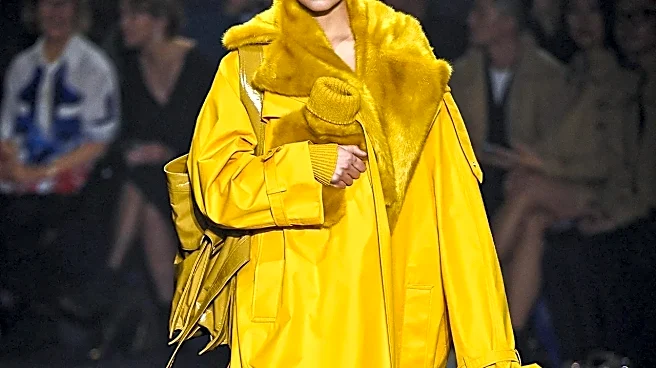
In his final years, with the brand on solid footing and established as a digital leader, Bailey fully unleashed his creative vision. This was the era of see-now-buy-now collections, where clothes were available for purchase immediately after they appeared on the runway—a radical move at the time. The designs themselves became far more conceptual and expressive. Collections drew inspiration from sources like Virginia Woolf's gender-fluid novel "Orlando" and featured intricate lace, hand-painted details, and a mix of masculine and feminine codes. His final collection in February 2018 was his most personal and powerful statement. Named "Time," it was a tribute to LGBTQ+ youth organizations, with the iconic Burberry check reinterpreted in the colors of the rainbow flag. The show culminated with model Cara Delevingne walking the runway in a rainbow fur cape, a powerful and optimistic symbol that was a world away from the quiet beige trenches of 2002.