








The Generational Trifecta
The magic of Only Murders begins with its improbable, yet brilliant, lead trio. You have Steve Martin and Martin Short, comedy titans whose careers have shaped American humor for 50 years, bringing in a loyal audience of Boomers and Gen Xers. Their chemistry
is a known quantity, honed over decades of collaboration. Then, you add Selena Gomez, a global pop star and actress with a massive Millennial and Gen Z following. On paper, it’s an odd combination. In practice, it’s a masterstroke. The showrunner, John Hoffman, noted they wanted someone “unexpected” and “alien to their world” to subvert expectations. Gomez’s dry, modern deadpan perfectly balances the duo’s classic comedic sensibilities, creating a dynamic that feels both fresh and warmly familiar. Each star is a gateway for a different demographic, but it's their genuine on-screen friendship that makes viewers of all ages stick around.
A Murder Mystery for Every Era
The show’s premise is a clever blend of old and new. At its core, it’s a classic, cozy whodunit set in a single, luxurious New York apartment building—The Arconia. This format appeals to fans of traditional mysteries, evoking the spirit of Agatha Christie or Murder, She Wrote. But the engine driving the plot is thoroughly modern: a true-crime podcast. The trio doesn't just solve a murder; they document it for an audience, tapping directly into a cultural phenomenon that has captivated younger audiences for the last decade. This dual structure allows the show to both celebrate and gently mock the tropes of the true-crime genre. It satisfies the itch for a good puzzle while also commenting on our very modern obsession with consuming tragedy as entertainment, making it relevant to viewers who grew up on podcasts and those who grew up on detective novels.
Humor That Bridges the Divide
The comedy in Only Murders works because the generational gap isn't just a casting gimmick; it's a central source of the humor. The show finds endless comedic potential in Charles (Martin) and Oliver (Short) grappling with texting etiquette, modern slang, and a world that has moved on without them. Likewise, Mabel (Gomez) often serves as the exasperated but affectionate guide to the present day. Crucially, the jokes rarely feel mean-spirited. Instead of pitting generations against each other, the series fosters a sense of warmth and empathy. It finds humor in their differences while emphasizing their shared loneliness and desire for connection. In a later season, the tables are turned when a Gen Z character appears, suddenly making Millennial Mabel feel out of touch, showing the writers' sharp and evolving understanding of cultural divides.
The Timeless Allure of The Arconia
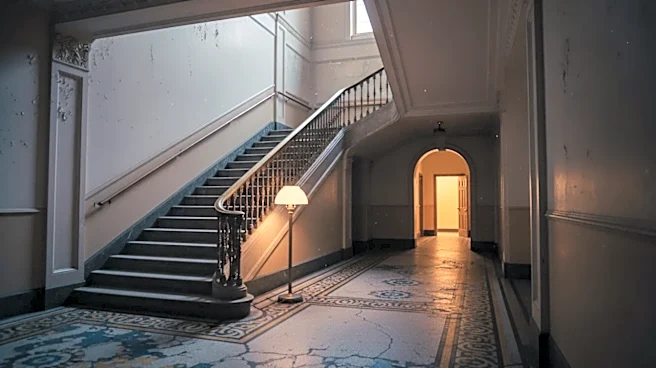
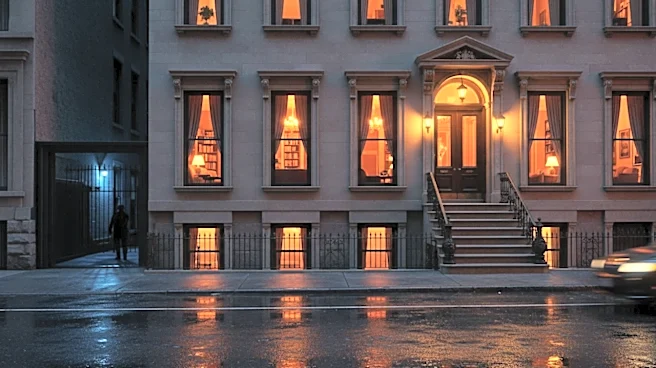
The show's setting is as much a character as any of the leads. The Arconia is a pre-war Upper West Side building that exudes timeless New York elegance and nostalgia. Its lavish interiors, secret passageways, and quirky residents create a rich, inviting world that feels both aspirational and familiar. For older viewers, it might evoke a romanticized vision of the city's past. For younger viewers, it provides a highly “aesthetic” backdrop, as noted by fans. The building itself becomes a cornerstone of the show’s appeal, a contained universe where classic charm meets modern anxieties. It’s a place that feels simultaneously rooted in history and alive with contemporary drama, making it an attractive setting for every generation of viewer. This blend of the classic and the modern is a recurring theme, described by showrunner John Hoffman as a foundational element of the series.