



More Than a Music Festival
To call Essence Fest just a music festival is to call a family reunion just a cookout. It misses the point entirely. Started in 1995 to celebrate the 25th anniversary of Essence magazine, the event has evolved into the largest celebration of Black culture
in the United States. Held annually in New Orleans over the Fourth of July weekend, it's a cultural pilgrimage. During the day, the convention center buzzes with free panels on everything from entrepreneurship to wellness, while at night, the Caesars Superdome comes alive with music. It is, as the organizers say, a “party with a purpose,” a space for community, commerce, and connection that feels both massive and intimate.
The Beautiful Clash of Generations
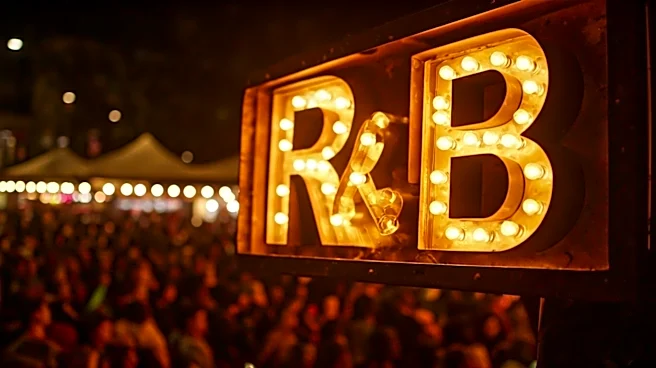
Nowhere is the festival’s unique energy more apparent than in its musical identity. The air in the Superdome is thick with the ghosts of R&B past and the vibrant sounds of its present. In one corner, you have fans who grew up on the smooth soul of Luther Vandross and Patti LaBelle. In another, you have the 90s kids, ready to defend the honor of Bad Boy and the neo-soul movement to their last breath. Then there are the 2000s babies, who will tell you that the real party started with crunk&B. At Essence Fest, these groups don’t just coexist; they joyfully collide. The festival is a living, breathing Venn diagram of Black music history, where every generation gets to be the main character. You can see it in the fashion, hear it in the singalongs, and feel it in the debates that pop up between sets.
A Stage for Every Legend and Newcomer
The festival's booking philosophy is the engine that drives this multi-generational love affair. Organizers consistently curate lineups that are a masterclass in cross-generational appeal. One night might feature a legend like Patti LaBelle or George Clinton & Parliament-Funkadelic, followed by 90s icons Brandy and Monica, and then a current chart-topper like Kehlani or Latto. The 2026 lineup, for example, promises performances from Babyface alongside Cardi B's festival debut. This intentional mix does something profound: it validates everyone's favorite era. It tells the fan who cherishes 70s soul that their taste is legendary, and it tells the fan streaming the latest R&B playlist that their taste is the future. By putting legends and contemporary stars on the same bill, Essence Fest declares that all of it matters.
The 'Permission Slip' to Be Unapologetic
Ultimately, the festival is a space of cultural affirmation. In a world where Black music and culture are often siloed or appreciated only in specific contexts, Essence Fest is an environment of total immersion. It's a rare opportunity to be in a space where your cultural references are the default, your musical history is the shared text, and your joy is the main event. This creates what the headline calls “permission.” You have permission to sing that Mary J. Blige run at the top of your lungs, to debate the merits of a Jodeci harmony, and to feel a deep, personal connection to an artist your parents grew up with. It's the freedom that comes from being seen, heard, and celebrated—not as a consumer of a niche genre, but as part of a vibrant, ongoing cultural tradition.