

The Birth of a Folk Mecca
When the Newport Folk Festival launched in 1959, it arrived at the perfect moment. As a counterpart to the established Newport Jazz Festival, it was conceived by founder George Wein and a board including Pete Seeger to showcase the breadth of American
folk traditions. In its early years, the festival became the epicenter of the folk revival, presenting the genre to a national audience as a serious, politically conscious art form. It championed artists who defined the era's sound, like Seeger and the then-unknown Joan Baez, who made a star-making debut as a guest of Bob Gibson. The festival established a specific public image for folk: acoustic, authentic, and tied to social protest movements like the push for civil rights. Performers like the Freedom Singers and events like a 1963 march led by Baez cemented the festival's role as a cultural and political force.
The Shot Heard 'Round the Folk World
By 1965, Bob Dylan was the anointed king of folk, and Newport was his kingdom. That year, he shattered the crown. On the evening of July 25, Dylan walked on stage not with his usual acoustic guitar, but with a Fender Stratocaster and a blues-rock band. The ensuing three-song electric set—including a roaring version of his new single "Like a Rolling Stone"—was met with a mix of cheers and infamous boos. The reaction wasn't just about volume or sound quality, which was reportedly poor; it was about a perceived betrayal of folk purity. Dylan had taken the genre's carefully crafted public image and plugged it into an amplifier, shocking purists and drawing a line in the sand. That single performance is considered one of the most pivotal moments in modern music, marking an end to the folk revival's rigid definition and birthing the era of folk-rock.
A Legacy of Reinvention
After a hiatus in the 1970s and early 1980s, the festival returned in 1985, but the world—and folk music—had changed. Instead of trying to recapture a bygone era, Newport evolved. It embraced a broader, more inclusive definition of "folk" that its own past had made possible. The festival began programming a wider array of artists, from veteran singer-songwriters to alternative rockers and Americana acts. This new iteration proved that Newport's influence wasn't a relic of the '60s. It could still set the agenda by platforming the next wave of artists who were pushing the boundaries of roots music, long before they became household names. The festival's survival and continued relevance depended on its ability to change with the times it had helped create.
The Modern Newport Experience
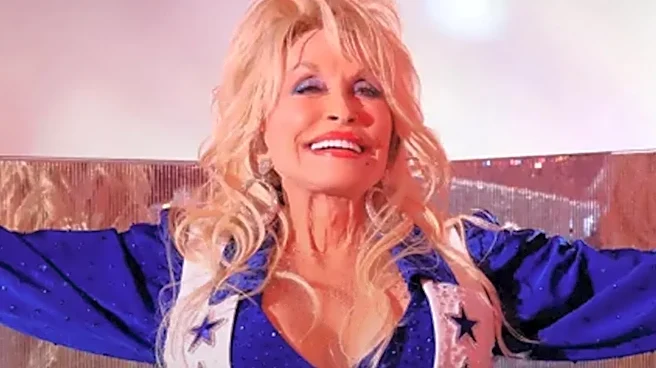
In the 21st century, Newport has solidified its unique identity by making surprise and collaboration its core tenets. The modern festival is defined by its "you had to be there" moments. This was never more apparent than in 2022, when Joni Mitchell, largely retired from performing since a 2015 brain aneurysm, gave her first full performance in over 20 years in a surprise set curated by Brandi Carlile. This followed similar unannounced appearances by legends like Dolly Parton in 2019 and Paul Simon in 2022. These events, alongside a constant stream of cross-genre collaborations and the championing of new voices like CMAT and Kirby, have transformed the festival into a living, breathing entity. It's no longer just a stage for presenting music; it's a creative space where new musical history is actively made, ensuring its public image is one of constant, dynamic evolution.