




The Prestige TV Blueprint
There's an unofficial checklist for getting a Limited Series Emmy nomination, and this year’s slate shows it’s still in use. First, adapt a sensational true story. Ryan Murphy’s latest anthology entry, "Love Story: John F. Kennedy Jr. & Carolyn Bessette,"
perfectly illustrates this, tapping into a well-known public tragedy. Next, cast a major movie star, preferably one undergoing a dramatic transformation. Think Oscar Isaac and Carey Mulligan taking over for the second season of Netflix's anthology "Beef." Finally, wrap it all in a prestige package with a cinematic director and a somber tone. This year, the missing-child drama "All Her Fault," starring Sarah Snook, and the thriller "The Beast in Me," with Claire Danes and Matthew Rhys, fit the bill. These are well-made, often powerful shows that signal “quality” to voters through familiar cues. They feel important because they look and sound like what we’ve come to expect from winners.
Playing the Game (And Winning)
Let's be clear: there's nothing inherently wrong with the formula. It produces high-quality television that employs thousands and gives audiences polished, compelling stories. Networks and streamers invest heavily in these projects because they are the most reliable path to the awards stage. A Ryan Murphy production about the Kennedys or a thriller starring decorated Emmy winners like Claire Danes and Sarah Snook is as close to a sure thing as you can get in modern television. These series are often critical darlings and conversation starters. The formula works. It provides a shared language of prestige that both creators and Emmy voters understand. These shows deliver on their promise of adult-oriented, high-stakes drama. But in a television landscape with infinite choice, a reliance on any one formula, no matter how successful, can lead to a sense of creative stagnation.
The Glorious Rule-Breakers
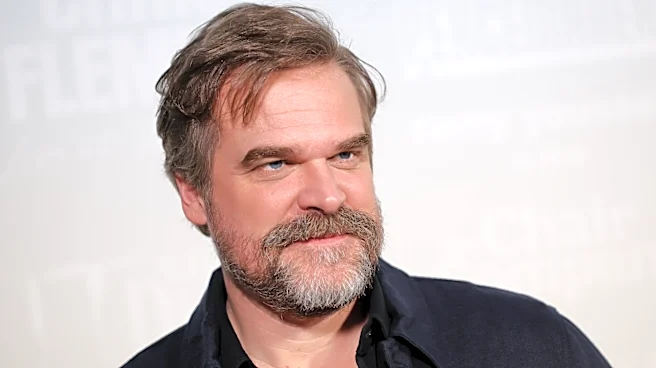
This is where the 2026 Emmy race gets truly interesting. Alongside the familiar heavyweights are a few nominees that crashed the party by ignoring the rules completely. Take HBO's "DTF St. Louis," a darkly comedic and stylistically bizarre look at suburban infidelity starring Jason Bateman and David Harbour. It’s not a true story, and its tone is far quirkier than the typical prestige drama. Its nomination, with 13 nods in total, signals a willingness from voters to embrace more tonally adventurous work. Similarly, the second season of "Beef"—while now an established anthology with A-list leads—continues to push boundaries with its blend of cringe comedy, existential rage, and spiritual inquiry, which is not typical fare for this category. These shows aren't following the blueprint; they're creating their own, proving that a limited series can be weird, funny, and deeply uncomfortable, yet still be considered among the year's best.
Why Breaking the Mold Matters
The nomination of shows like "DTF St. Louis" is more than just a welcome surprise; it's a vital sign of health for the entire television ecosystem. When the definition of a “prestige” show expands, it creates space for more original and daring stories to be told. The success of genre-bending shows in other categories, like the sci-fi drama "Pluribus" and the horror-comedy "Widow's Bay," demonstrates that audiences and critics are hungry for novelty. For every beautifully executed but predictable historical drama, there should be an oddball comedy or a mind-bending thriller that challenges our expectations. The shows that break the limited-series formula are the ones that prevent the category from becoming a museum of self-important biopics. They inject new life into the medium and, more often than not, are the series we're still talking about years later, long after the trophies have been handed out.