



It's Not About Emptiness, It's About Advantage
First, let's get one thing straight. When a commentator talks about 'space,' they aren't just pointing out an empty patch of grass or hardwood. In a sporting context, space is a weapon. It's the strategic creation of an area on the field or court where an offensive player has a temporary, localized advantage over a defender. Think of it as creating a one-on-one situation where your guy is better than their guy. The goal of every modern offense is to warp the geometry of the game, forcing the defense to cover more ground than they physically can. When a defense has to stretch, it creates gaps. And in those gaps—that precious 'space'—is where plays happen, points are scored, and games are won.
The NBA's Three-Point Revolution
The most dramatic example of this is the NBA. For decades,
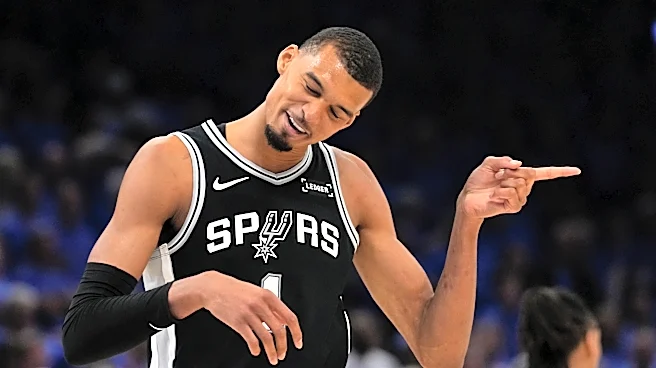
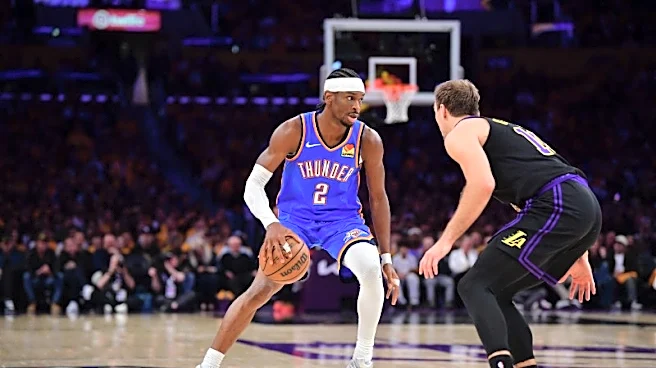
basketball was a big man's game played in a crowded phone booth around the basket. Then came the three-point revolution. Teams realized that a shot from 24 feet was worth 50% more than a shot from 2 feet. This simple math changed everything. Offenses started stationing elite shooters around the arc. Suddenly, defenders had to abandon the paint to guard them, stretching the defense thin across 94 feet of court. This is what analysts call 'gravity'—a great shooter pulls defenders toward them even without the ball. This newfound space created wide-open driving lanes for slashers like LeBron James or Giannis Antetokounmpo to attack the rim. The entire 'pace and space' era, defined by dynasties like the Golden State Warriors, is built on this principle. Commentators talk about space because it's the literal engine of the modern NBA offense.
Football Followed the Leader
The NFL and college football weren't far behind. For years, football was a brute-force contest fought between the tackles. But coaches saw what was happening in basketball and adapted the philosophy. They created 'spread' offenses, replacing bulky fullbacks and tight ends with speedy receivers. By spreading four or five receivers across the formation, an offense forces the defense to declare its coverage and removes defenders from the box. This creates two massive advantages. First, it simplifies the quarterback's read. Second, and more importantly, it creates one-on-one matchups in space for explosive athletes like Tyreek Hill or Justin Jefferson. A simple slant route becomes a potential 80-yard touchdown when a receiver only has to beat one man in a vast, open field. Pre-snap motions, jet sweeps, and screen passes are all designed to do one thing: get a playmaker the ball with room to run. That room *is* space.
The Global Game's Old Obsession
While it feels like a recent American sports phenomenon, the obsession with space has been at the heart of soccer for half a century. The legendary Dutch coach Johan Cruyff famously said, “You have to make the pitch as big as possible when you have the ball, and as small as possible when you don't.” This is the soul of the concept. The entire tactical framework of modern soccer—from Pep Guardiola's 'positional play' to Jürgen Klopp's high-pressing system—is about manipulating space. Players are taught to find 'pockets' of space between the opponent's defensive and midfield lines. The world’s best players, like Lionel Messi or Kevin De Bruyne, aren’t just brilliant with the ball at their feet; they are masters of finding and exploiting these invisible corridors of space before anyone else on the field even sees them. In a game with so few goals, manufacturing even a yard of space is the difference between a simple pass and a game-winning assist.