




The False Choice in the Lobby
We’ve created a cultural trap for ourselves, a false binary between films that are artistically significant and those that are purely enjoyable. On one side, you have the cinematic equivalent of leafy greens: thought-provoking, award-worthy films that demand
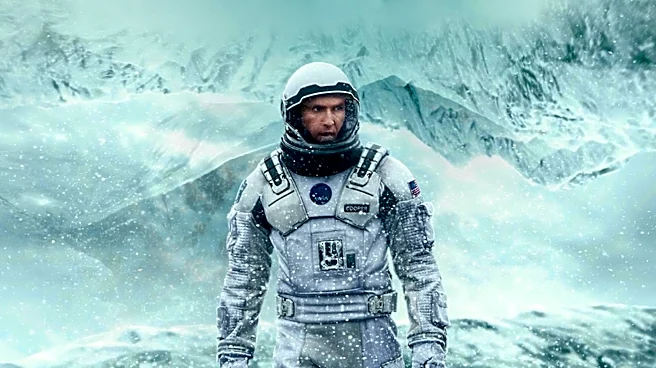
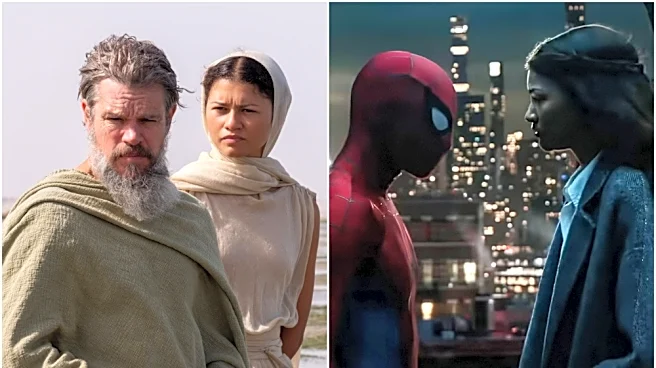
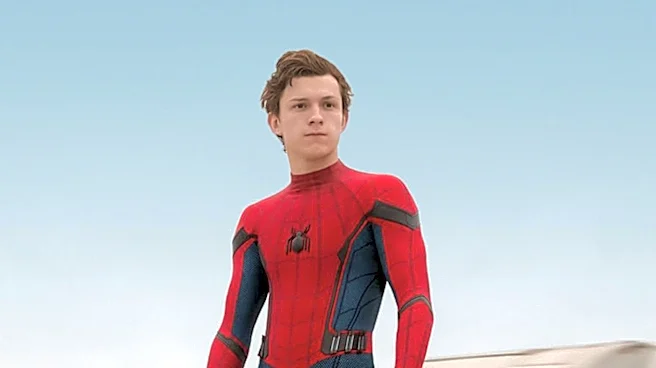
your full attention and emotional investment. On the other, a cinematic cheeseburger: big, loud, satisfying, and maybe not as nutritious, but undeniably delicious. This summer of 2026 has been a perfect example. The box office has seen massive success with popcorn flicks like "Spider-Man: Brand New Day" and the animated "Toy Story 5," both of which dominated ticket sales. At the same time, Christopher Nolan's critically respected epic, "The Odyssey," also drew huge crowds, proving you can have both. But the pressure remains. We scroll through reviews, see the high scores for the serious film, and feel a pang of cultural obligation. Choosing the action-packed spectacle can feel like a minor failure, a guilty pleasure. It’s time we discard that guilt entirely.
In Defense of Pure Spectacle
There is an art to fun. A well-executed summer blockbuster is a marvel of craftsmanship. The choreography of an action sequence, the seamless integration of visual effects, the propulsive pacing designed to thrill a packed theater—these are not easy feats. Films like "Jaws," which practically invented the summer blockbuster, or '90s behemoths like "Independence Day" and "Jurassic Park," were not just dumb fun; they were masterclasses in tension, spectacle, and creating a shared cultural moment. Watching a hero swing through a city or a spaceship explode is a specific kind of cinematic magic. It’s a collective experience that a quiet, contemplative drama, for all its merits, often cannot replicate. The communal gasp, the shared laughter, the applause as the credits roll—these are vital parts of the moviegoing experience. That feeling of walking out of a cool, dark theater into a warm summer night, buzzing with adrenaline, is a core memory for a reason.
Fun Is Its Own Form of 'Important'
The argument that escapist entertainment is somehow less valuable rests on a flawed premise: that the only purpose of art is to challenge, educate, or provoke. But what about the art that provides comfort? Or catharsis? Or a simple, two-hour break from reality? Psychologically, escapism is not just a frivolous distraction; it can be a necessary coping mechanism. In a world of constant stress and information overload, the ability to switch off your brain and immerse yourself in a straightforward story of good versus evil is a powerful form of self-care. A movie that asks nothing more of you than to sit back and enjoy the ride is performing an important function. It’s a mental reset button. The joy, wonder, and sheer entertainment derived from a blockbuster are not lesser emotions; they are fundamental human needs. A film that makes you happy has, by any reasonable measure, succeeded.
Listen to Your Brain, Not the Critics
Ultimately, what you need from a movie changes day by day. Some nights, you’re ready to engage with a complex narrative that dissects the human condition. You want the homework. Other nights, you just want to see The Rock punch an alien or watch a car chase that defies the laws of physics. Both are valid. The summer of 2026's box office, which surpassed $4 billion for only the second time since the pandemic, was built on this exact principle. Audiences flocked to the familiar fun of "Spider-Man" and "Toy Story 5" just as readily as they embraced the ambition of "The Odyssey." People weren't choosing one type of movie; they were choosing the movie that fit their mood. Viewing your entertainment choices as a diet can be helpful. Nobody eats spinach for every meal, and nobody should feel obligated to. Sometimes you need the salad, and sometimes you need the ice cream sundae. Neither choice requires an apology.