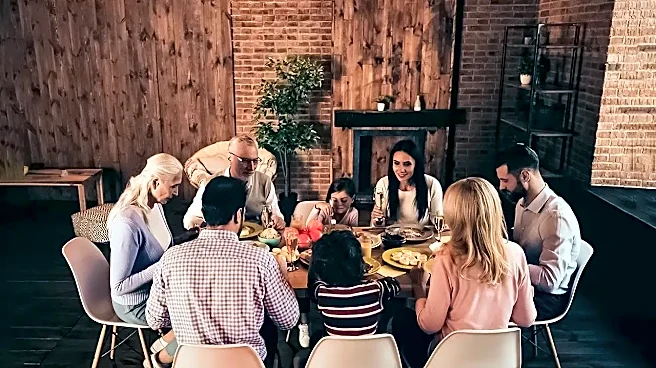






The Thanksgiving table is set, the travel was a nightmare, and that one relative is already on your last nerve. We all know the tension. So why do we love watching it explode on screen? Thanksgiving movies have a special magic for a reason.
The Catharsis of Chaos
There’s a unique
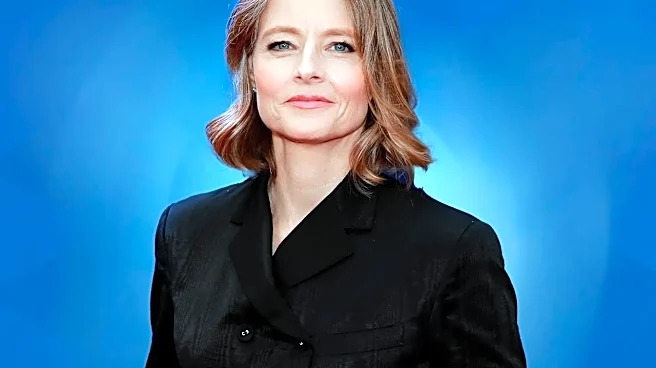
comfort in watching a fictional family dinner implode. When the turkey is dropped, insults are hurled, and long-buried secrets erupt over stuffing, it acts as a pressure-release valve for our own anxieties. Psychologists suggest that witnessing this kind of chaos on screen can be cathartic; it validates the viewer's own hidden struggles and makes them feel less alone in their experiences. Films like Jodie Foster's 'Home for the Holidays' (1995) are masterclasses in this. Holly Hunter's character, Claudia, returns home to a whirlwind of neuroses, sibling rivalries, and parental eccentricities. The film captures the awkward, funny, and often painful dynamics of being trapped with the people you love but can't always stand. It’s a reminder that dysfunction is often the norm, not the exception, and seeing it dramatized makes our own minor holiday grievances seem wonderfully manageable by comparison.
Relatable Archetypes on Parade
Every great Thanksgiving movie is populated with characters we recognize instantly. There's the overbearing mother, the sardonic sibling, the dotty aunt, and the peacemaking father. These are familiar archetypes that make the specific on-screen drama feel universal. In 'Home for the Holidays', the clash between Claudia, her quirky gay brother Tommy (Robert Downey Jr.), and their buttoned-up sister Joanne feels painfully real because we all know people who fit those molds. Similarly, Peter Hedges' 2003 indie darling 'Pieces of April' presents April (Katie Holmes) as the estranged black sheep trying to host a dinner for her critical, suburban family. Her desperate quest to borrow a working oven from her eccentric apartment building neighbors becomes a hilarious odyssey. We laugh because we understand the pressure to perform and the fear of failure, especially in the eyes of family. These characters aren't just people in a movie; they're exaggerated versions of our own relatives, allowing us to laugh at them without the real-world consequences.
Turning Misery into Comedy
Perhaps no film better illustrates the comedic potential of holiday misery than John Hughes' 1987 classic, 'Planes, Trains and Automobiles'. While not centered on a family dinner, it is the definitive Thanksgiving movie about the hellacious journey to get there. Steve Martin's Neal Page is an uptight executive whose trip home is derailed at every turn, forcing him into an unlikely partnership with the boorish but good-hearted Del Griffith (John Candy). The film was famously born from Hughes' own disastrous travel experience. The comedy stems from the escalating frustration and the stark contrast between Neal's rage and Del's obliviousness. We laugh at Neal's meltdown at the car rental counter because we've all felt a flicker of that same desperation. The film expertly transforms the universal frustrations of travel—delays, terrible weather, and annoying strangers—into a source of non-stop humor, proving that sometimes, the worst experiences make for the best stories.
The Heart Beneath the Humor
For all their comedic chaos, the best Thanksgiving movies understand that laughter is often a bridge to forgiveness and connection. The arguments and disasters are funny, but they also serve to break down the characters' defenses. In 'Planes, Trains and Automobiles', Neal's frustration eventually gives way to empathy when he learns that Del has no home to go to for the holiday. The film's heartwarming conclusion, where Neal invites Del to his family's dinner, underscores a key theme: finding connection and giving thanks even after enduring hardship. Likewise, the journey of the Burns family in 'Pieces of April' is fraught with tension and resentment, particularly between April and her dying mother, Joy. Yet, the shared stress and ultimate success of the dinner lead to a moment of quiet, hard-won reconciliation. These films reassure us that even the most frustrating families are bound by love, and that navigating the chaos together is part of what makes it a holiday.