


The Mid-Century Original
Before it became a hashtag, the knit polo was the uniform of understated cool. Think less of your dad’s piqué golf shirt and more of Jude Law as the effortlessly stylish Dickie Greenleaf in *The Talented Mr. Ripley*. Popularized in the 1950s and ‘60s,
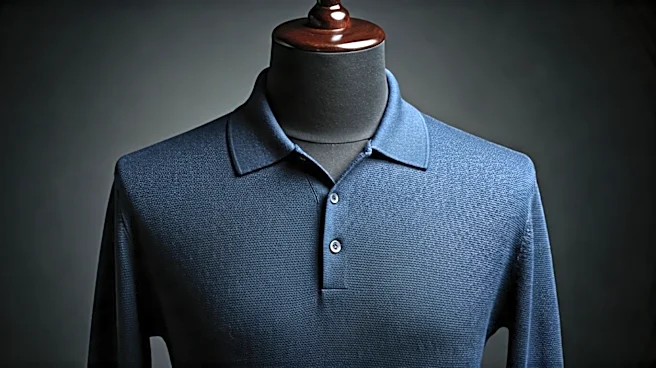
it was the preferred shirt of Riviera playboys, Hollywood icons, and anyone aiming for a look of casual elegance. Made from fine-gauge cotton, merino wool, or silk, its soft collar and tailored drape offered a sophisticated alternative to the button-down shirt. It was comfortable, sharp, and exuded a relaxed confidence. But like many classic garments, it faded into the background for a few decades, seen more as a vintage curiosity than a contemporary staple.
The Florence Proving Ground
Enter Pitti Uomo. Held twice a year in Florence, Italy, it’s ostensibly a menswear trade show where brands and buyers connect. But over the last two decades, its real influence has radiated from the courtyard outside the main exhibition hall, the Fortezza da Basso. This piazza has become the world’s most important runway for men’s street style. Here, the industry’s best-dressed buyers, editors, designers, and influencers—often dubbed “Pitti Peacocks”—gather to be seen and, crucially, to be photographed. It’s a real-time laboratory for what’s next in menswear, where trends are not just displayed on mannequins but performed by actual people.
The Rise of Street Style
The knit polo’s comeback is inseparable from the explosion of street style photography in the late 2000s and 2010s. Photographers like Scott Schuman of The Sartorialist and Tommy Ton turned their lenses on the attendees of Pitti, broadcasting their meticulously crafted looks to a global audience via blogs and social media. Suddenly, men in Cleveland or Kansas City could see exactly how a Florentine tailor wore his unstructured blazer or cuffed his trousers. It was this digital dissemination that created a powerful feedback loop. The men at Pitti knew they were being watched, and they dressed for the cameras. The knit polo was a perfect garment for this new stage.
The Perfect Comeback Piece
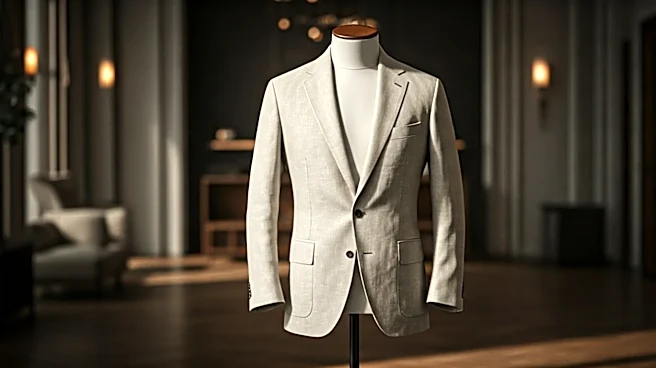
So why this shirt? The knit polo was uniquely suited to the aesthetic that Pitti champions: *sprezzatura*, the Italian art of studied carelessness. Tucked into a pair of high-waisted trousers and worn under a soft-shouldered sport coat, the knit polo looked both elegant and effortless. Its soft, unstarched collar sat perfectly under a lapel, creating a clean, uninterrupted line. In silk or a silk-blend, it caught the Tuscan light beautifully, adding a touch of texture and sheen that popped in photographs. It was a sartorial power move—a way to look dressed-up and relaxed at the same time, signaling an insider’s understanding of style that went beyond a simple shirt and tie.
From Niche to Mainstream
As images of men in knit polos flooded the internet season after season, brands took notice. What was once a niche item worn by a select few became a commercial priority. High-end designers who specialized in Neapolitan tailoring began offering them as a core product. Soon, contemporary luxury brands and even mass-market retailers like J.Crew and Banana Republic were producing their own versions. The style had successfully migrated from the cobblestones of Florence to malls across America. It was no longer just a secret of the sartorially obsessed; it was a bona fide staple, available at nearly every price point. Pitti Uomo didn’t invent the knit polo, but its unique ecosystem of performance and photography provided the perfect platform to reintroduce it to the world and cement its status as a modern luxury essential.