


More Than Just Sprezzatura
When you think of Italian style, you probably picture “sprezzatura”—that artful, almost theatrical nonchalance. It’s the unbuttoned cuff, the perfectly imperfect tie dimple, the bold-colored suit worn with a devil-may-care attitude. For years, the street
style photos from Pitti Uomo have amplified this image, showcasing men in sharply tailored, brightly colored outfits vying for attention. But look closer at the recent collections and the outfits of the industry’s most respected figures. A different silhouette is taking shape. It’s softer, fuller, and more understated. Trousers are pleated and wider, shoulders on jackets are broader but unpadded, and fabrics are fluid. This isn't the razor-sharp look of the 2010s; it’s a direct echo from a specific, often overlooked period in Italian fashion history: the 1980s.
Meet the Paninari: Italy's Original Hypebeasts
To understand this shift, you have to go back to 1980s Milan and a youth subculture known as the Paninari. Named after the Al Panino sandwich bar where they gathered, these were affluent teenagers obsessed with a very particular aesthetic. They rejected the politically charged Italian style of the 70s for a consumerist, American-inflected uniform. Their look was a fascinating mashup: puffed Moncler jackets, Stone Island and C.P. Company outerwear, Levi’s 501s, Timberland boots, and Ray-Ban sunglasses. It was a new kind of aspirational dressing—brand-focused, status-driven, and decidedly casual. They were the spiritual ancestors of today's streetwear enthusiasts, mixing high-end European utility wear with classic American staples. This movement signaled a major departure from traditional, formal Italian tailoring and laid the groundwork for the luxury casualwear that now dominates the market.
The Armani Revolution: Deconstructing Power
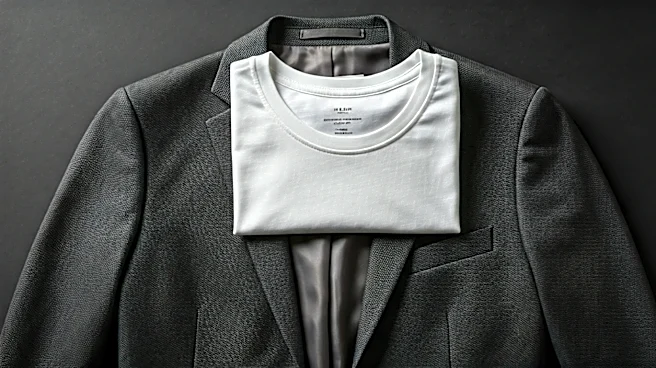
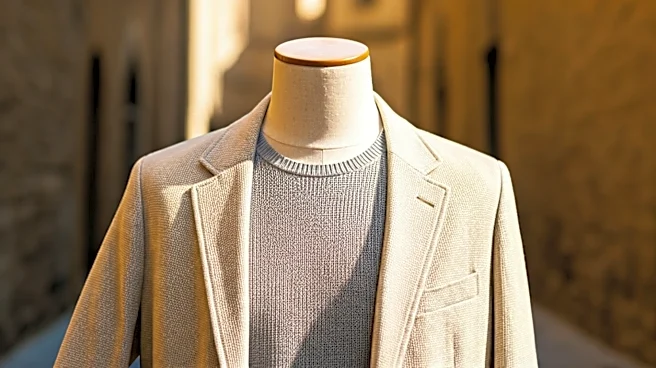
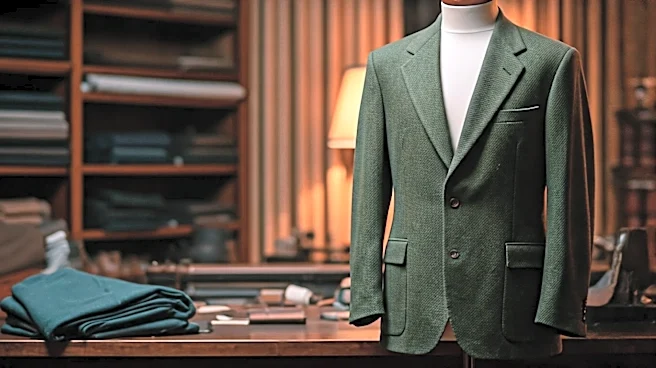
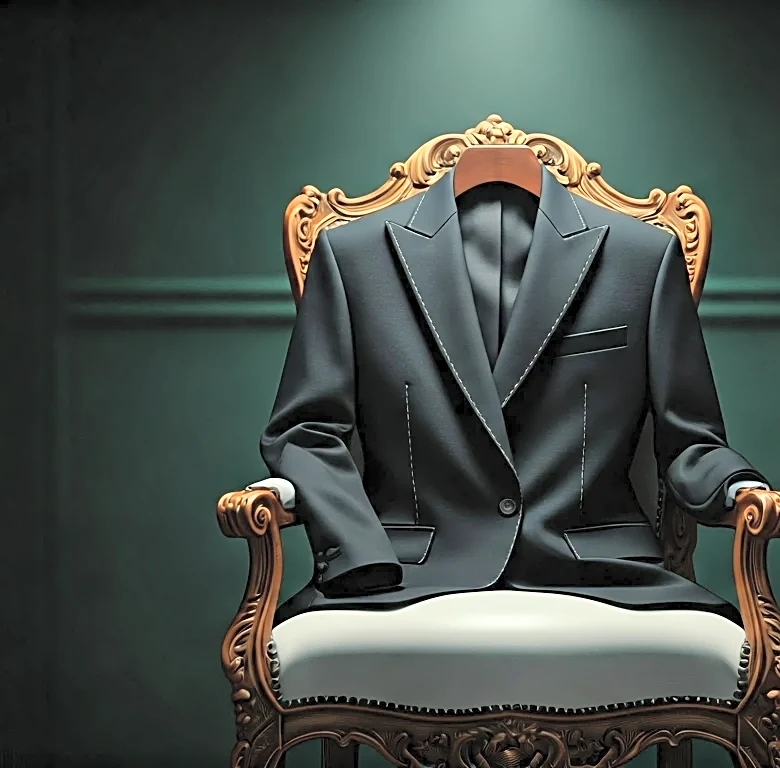
While the Paninari were defining street-level cool, Giorgio Armani was revolutionizing high fashion from his Milan atelier. In the 1980s, the power suit was king, defined by its rigid construction and aggressive shoulder pads. Armani went in the opposite direction. He deconstructed the suit jacket, ripping out the heavy internal padding, linings, and stiff canvases. He used softer, more fluid fabrics like linen, washed silks, and lightweight wools that draped on the body rather than encasing it. His silhouette was revolutionary: powerful but relaxed, masculine but sensuous. It gave men a new kind of confidence, one that came from comfort and ease, not armor. This soft-shouldered, unstructured look became the signature of 80s Italian elegance, a sophisticated counterpoint to the casual cool of the Paninari. Together, these two forces created a uniquely Italian approach to modern dress.
Why It's Resurfacing Now
So, why are these 40-year-old references bubbling up at Pitti? It's a direct reaction to the last decade of menswear. From roughly 2008 to 2018, the dominant look was ultra-slim and restrictive—skinny suits, tight trousers, and short jackets inspired by designers like Hedi Slimane. It was a sharp, youthful uniform, but it was also rigid and often uncomfortable. The pendulum is now swinging back. The return to 80s Italian silhouettes is a collective exhale. It’s a craving for comfort, volume, and a more mature form of elegance. The wider trousers, unstructured blazers, and emphasis on beautiful, tactile fabrics speak to a desire for clothes that feel as good as they look. It’s not about nostalgia for its own sake; it’s about cherry-picking the best ideas from a time when Italian designers perfected the art of looking powerful without looking stiff. This forgotten chapter reminds us that true style is often found in ease, not effort.