





The Allure and Danger of the Clubhouse Blazer
First, what is a “clubhouse” or “boating” blazer? Its origins trace back to the vividly colored flannel jackets worn by 19th-century rowers at British universities to keep warm and identify their team. These jackets, known for their bright, ‘blazing’
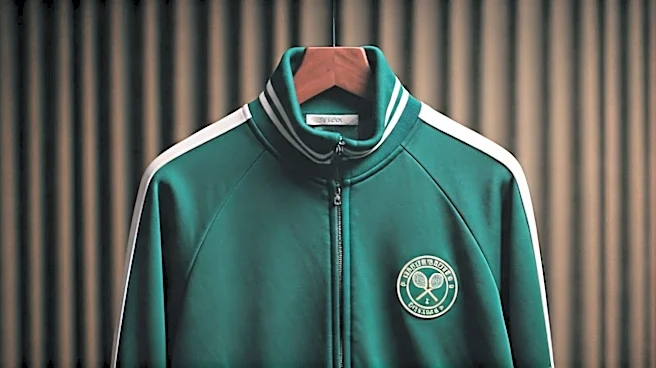
colors, soon became status symbols worn off the water. Today, the term applies to any standalone jacket, often with bold stripes, contrast piping, or an embroidered crest, worn with contrasting trousers. It’s a statement piece, but its theatrical roots mean it can easily veer into costume territory if the fit and proportions aren't perfectly calibrated for a modern setting.
Shoulders and Lapels: The Framework of Fit
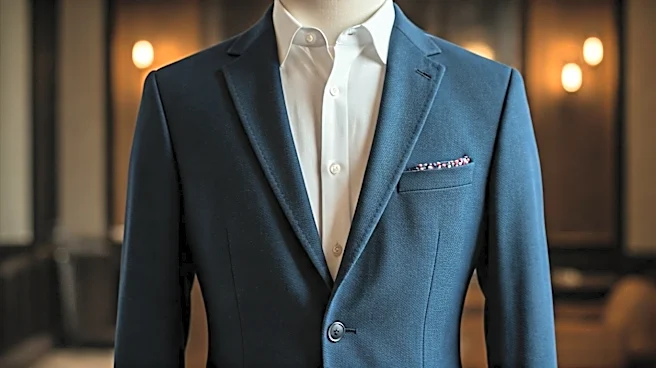
The first secret to saving a bold blazer lies in its structure, starting with the shoulders. A modern, sophisticated blazer should have a natural shoulder line, avoiding the aggressive padding that defined past decades. The goal is a jacket that follows the body's lines, not one that builds an entirely new silhouette. The lapels are just as crucial. Overly skinny lapels can look dated and cheap, while excessively wide ones feel like a retro caricature. A contemporary blazer strikes a balance with a moderately-sized notch lapel where the gorge (the seam joining the collar and lapel) sits high, pointing toward the shoulder. This creates a V-shape that elegantly frames the shirt and tie without overpowering the look.
Button Stance, Length, and Waist Suppression
Where the blazer closes and how long it hangs are subtle but powerful details. The “buttoning point”—the top button on a two-button jacket—is key. A slightly higher button stance can create a more dynamic, athletic silhouette and elongate the legs. A buttoning point that’s too low can drag the whole look down. Jacket length is a similar balancing act. A modern blazer is typically shorter than its traditional predecessors, often ending just around the seat rather than fully covering it. This prevents the jacket from looking boxy or old-fashioned. Finally, waist suppression, or the gentle tapering of the jacket around the midsection, is non-negotiable. It creates shape and ensures the blazer looks tailored and sharp, not like a sack.
The Supporting Cast: Trousers and Shirt
Even a perfectly proportioned blazer can be ruined by what it’s paired with. A bold, striped jacket requires a calm, grounding counterpart. This means forgoing equally loud trousers in favor of well-fitted chinos or smart trousers in a neutral, solid color like stone, navy, or classic white. The fit of the trousers is critical; they should be slim but not tight, creating a clean line from the waist down. The shirt, too, should be simple and crisp—a classic white or light blue cotton provides a perfect, neutral canvas that allows the blazer to be the focal point without competition. The entire ensemble must work in harmony to respect the formality of the Royal Box while showcasing personal style.