




The Unwritten Law of the Fall Premiere
For generations of American viewers, September was the most important month in television. It was the start of the broadcast TV season, a tradition born in the medium's early days when production schedules mirrored the radio industry's calendar of taking
summers off. This rhythm became a powerful economic engine. Networks used the fall launch to unveil their biggest and most promising new shows, timed perfectly to coincide with advertisers rolling out campaigns for new car models and the holiday shopping season. Viewers were conditioned to expect a deluge of new episodes and series premieres after a summer of reruns. Publications like TV Guide released massive fall preview issues that became household staples, creating a shared cultural event where the whole country discovered its next favorite show at the same time. This predictable, unified schedule was the undisputed law of the land.
Netflix's Content Machine and the Binge Model
Netflix didn't just offer a new way to watch TV; it offered a new philosophy of it. The company's strategy was built on two disruptive pillars: a year-round release schedule and the 'binge' model. Instead of hoarding its best content for a single launch window, Netflix began dropping entire seasons of shows at once, on any given Friday of the year. This broke the weekly anticipation model that had defined television for more than half a century. The goal, as stated by executives, was to become HBO before HBO could become them—a platform defined by its own must-see content, untethered to a traditional schedule. By using its vast trove of user data, Netflix could greenlight multiple seasons of a show before a single episode aired, confident it already had a built-in audience. This data-driven, always-on approach turned television from a seasonal event into a constant, personal stream.
Turning September Into a Streaming Battleground
Instead of avoiding the traditional September rush, Netflix charged directly into it. The company began using the fall, a time when viewers were already primed for new content, to launch some of its most ambitious and buzzworthy titles. By debuting major series and new seasons of established hits in September, Netflix effectively co-opted the excitement of the fall TV season for itself. While broadcast networks still rely on the month, their share of attention is now heavily fragmented. In recent years, Netflix has launched a staggering number of new and returning shows in the fall, dwarfing the output of individual networks like ABC or CBS. This firehose of content ensures that while audiences might be thinking about 'fall TV,' the specific shows dominating the conversation are often on Netflix, turning the industry's most sacred month into just another front in the year-round streaming war.
The Fallout for Broadcast TV
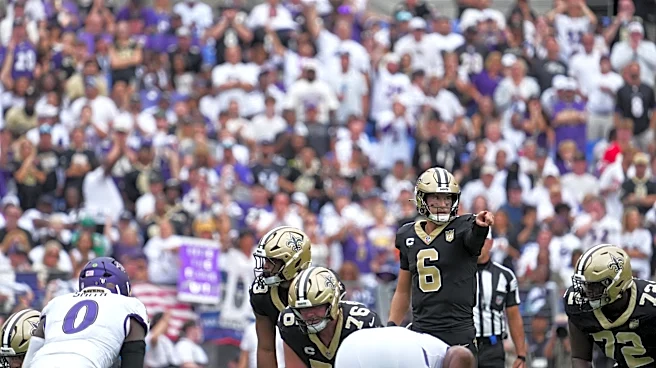
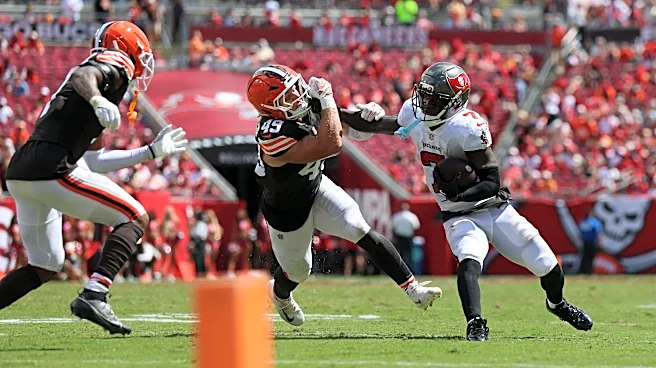
The broadcast networks haven't thrown in the towel, but the game has irrevocably changed. Live sports, particularly the NFL, have become their September anchor, reliably drawing massive audiences and propping up viewership numbers for the entire broadcast category. However, outside of live events and reality competition shows, their scripted slates struggle to generate the cultural ubiquity they once commanded. Networks are now forced to compete not just with each other, but with a global streaming giant that operates on a different financial and creative model. While Netflix is also facing its own challenges, like retaining viewers between long-delayed seasons, its initial disruption was a success. It dismantled the very concept of a 'season' and proved that big shows could launch and become phenomena in March, July, or November, not just in a single, hallowed week in September.