



Reinforce Your Skin's Defenses
The absolute foundation of proper eczema care is supporting your skin barrier. Think of it as patching up a leaky wall. Dry, compromised skin is the hallmark of atopic dermatitis, allowing moisture to escape and irritants to get in. Success starts with
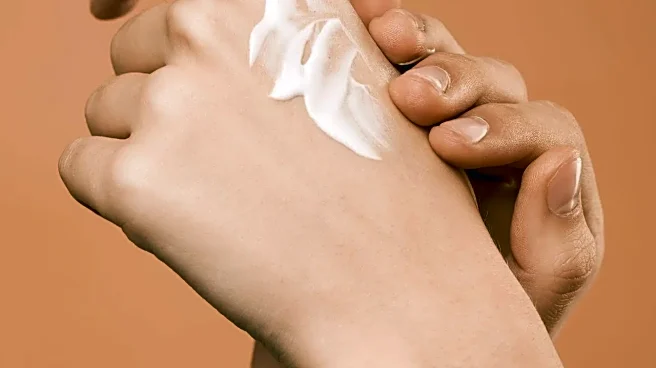
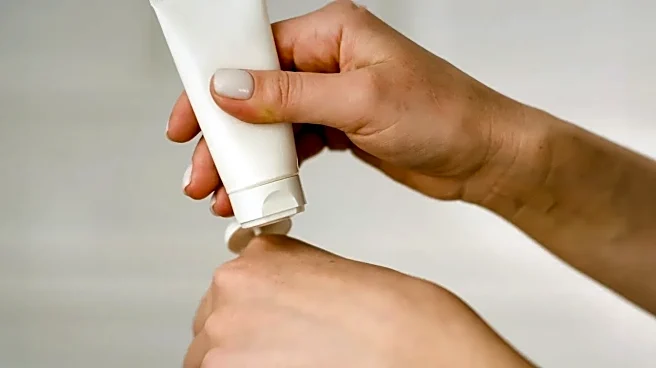
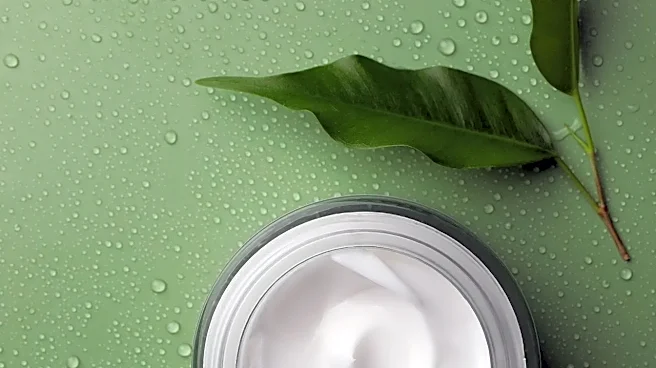
two non-negotiable habits: gentle cleansing and relentless moisturizing. Swap hot, long showers for short, lukewarm ones to avoid stripping your skin of its natural oils. Immediately after bathing, while your skin is still damp, apply a thick, fragrance-free cream or ointment. Products like petroleum jelly or those containing ceramides are excellent for locking in hydration and helping to restore that protective barrier. This daily, consistent effort is the bedrock upon which all other treatments are built.
Go From Reactive to Proactive
Many people fall into a frustrating cycle: flare-up, treat, repeat. A more effective strategy is proactive care, which aims to prevent new flares before they start. This often involves prescription treatments. For active flares, dermatologists typically use topical corticosteroids to quickly reduce inflammation. However, for long-term management, they may introduce topical calcineurin inhibitors (like pimecrolimus or tacrolimus), which are non-steroidal options that can be used intermittently in symptom-prone areas to keep inflammation at bay. The goal is to shift from constantly putting out fires to actively fire-proofing your skin, keeping it calm for longer periods.
Play Detective With Your Triggers
Eczema is often a response to an overactive immune system, which can be kicked into high gear by specific triggers. Identifying yours is a crucial, though sometimes difficult, piece of the puzzle. Common culprits include environmental factors like cold, dry air, sweat, and seasonal allergens. Irritants can also be to blame, such as fragrances in lotions, harsh detergents, or even certain fabrics. Stress is another major factor known to worsen symptoms and fuel the itch-scratch cycle. Keeping a simple diary to note when your flare-ups occur can help you and your doctor identify patterns and make lifestyle adjustments, whether it's switching to a fragrance-free laundry soap or using a humidifier during dry winter months.
Embrace a New Era of Treatment
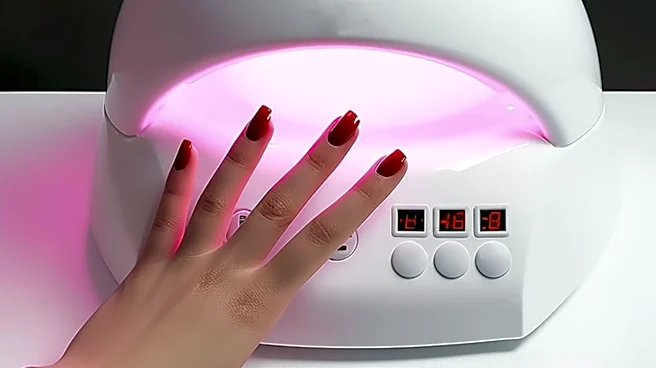
For those with moderate-to-severe eczema that doesn't respond to topical treatments, the landscape has changed dramatically. We are in a new era of advanced therapies that target the underlying inflammation from the inside. Systemic treatments, including injectable biologics (like dupilumab) and oral medications known as JAK inhibitors, can offer significant, life-changing relief. These medications work by precisely targeting parts of the immune response that drive eczema. Another established and effective option for some patients is phototherapy, which uses specific wavelengths of ultraviolet light to calm skin inflammation. These advanced options are for patients who need more than topical care and are best discussed with a dermatologist to see if you are a candidate.
Treat Your Lifestyle as Medicine
Finally, a truly successful eczema management plan acknowledges the connection between your skin and your overall well-being. What you eat can play a role; while not everyone has food triggers, for some, certain foods can exacerbate flare-ups. Getting adequate sleep and managing stress are also critical, as both can directly impact your immune system and skin health. Simple practices like meditation or regular exercise can help manage the stress that often contributes to the itch-scratch cycle. Thinking of these lifestyle choices not as secondary concerns but as an integral part of your treatment can make a profound difference in your skin's long-term stability and your quality of life.